Ancient Tracks, Modern Thrills: Your Buggy's Guide to England's Historic Green Lanes
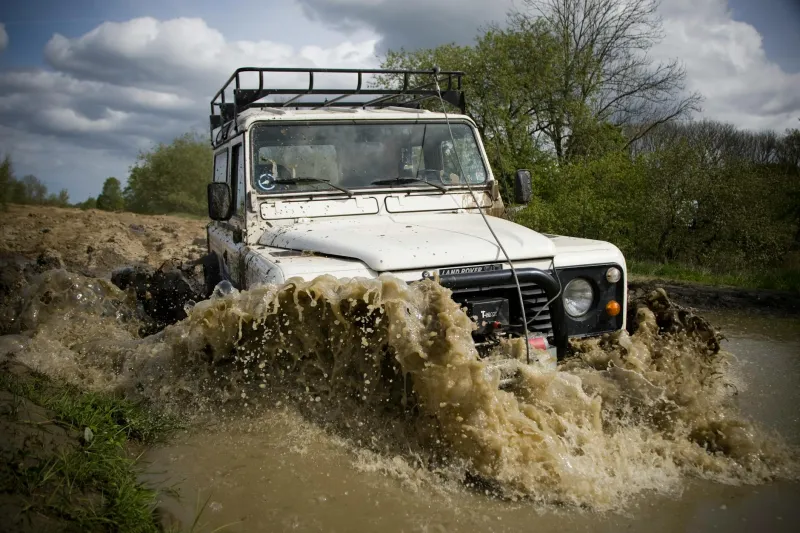
There's something magical about threading your buggy through the same routes that Roman legions, medieval merchants, and Victorian farmers once travelled. England's green lanes—those ancient byways that snake through our countryside—offer modern adventurers the chance to experience history whilst getting properly muddy in the process.
What Makes a Green Lane Legal?
Not every muddy track is fair game for your buggy's tyres. England's legal off-road network consists primarily of Byways Open to All Traffic (BOATs) and certain Restricted Byways. BOATs are the gold standard—these ancient routes carry full vehicular rights dating back centuries, often established through historical use rather than modern planning.
Restricted Byways, created under the Countryside and Rights of Way Act 2000, allow access for non-mechanically propelled vehicles and horses, but mechanically propelled vehicles are generally prohibited unless there are existing rights. The key distinction? BOATs welcome your buggy with open arms, whilst Restricted Byways typically don't.
The legal framework might seem dry as dust, but understanding it protects both your right to roam and ensures these precious routes remain open for future generations of off-road enthusiasts.
Planning Your Green Lane Adventure
Modern technology has revolutionised route planning for green laners. Ordnance Survey maps remain the gold standard—their distinctive purple dashed lines mark BOATs, whilst Restricted Byways appear as purple dashed lines with 'RB' annotations. The OS Maps app brings this detail to your smartphone, complete with GPS tracking that works even when you're miles from the nearest mobile mast.
Viewranger (now part of OutdoorActive) offers excellent green laning functionality, allowing you to download offline maps and track your progress. Many seasoned green laners swear by the Glass Earth app, which overlays rights of way data onto satellite imagery—invaluable for spotting potential obstacles or finding alternative routes when the main track becomes impassable.
Always cross-reference multiple sources when planning. What appears straightforward on paper might involve locked gates, seasonal restrictions, or terrain that's beyond your buggy's capabilities. Local knowledge trumps digital mapping every time.
Essential Kit for Green Lane Success
Your buggy might be capable, but the English countryside can humble even the most prepared adventurer. Recovery gear isn't optional—it's essential. A decent winch or come-along, tow straps, and recovery boards have rescued countless vehicles from England's stickier situations.
Spare parts matter more on green lanes than tarmac touring. Carry extra drive belts, spark plugs, and basic tools. A puncture repair kit and foot pump could save your day when you're twenty miles from the nearest garage. Don't forget a first aid kit—scratches from brambles and minor bumps are occupational hazards.
Weather-appropriate clothing makes the difference between adventure and misery. Waterproofs are non-negotiable in Britain, and sturdy boots will serve you well when you inevitably need to get out and assess that dodgy-looking puddle.
Regional Gems Worth Exploring
The Pennines offer some of England's most dramatic green laning, with routes like the Tan Hill Track providing stunning Yorkshire Dales scenery alongside technical challenges. The ancient drove roads here have carried livestock for centuries, creating wide, well-established tracks perfect for buggy exploration.
Down south, the South Downs Way includes several BOAT sections that showcase England's rolling chalk downland. The views across the Sussex countryside are spectacular, though the terrain can be deceptively challenging after wet weather.
The Cotswolds hide numerous green lanes threading between honey-coloured villages. These routes often follow ancient salt ways and wool roads, providing gentler introductions to green laning whilst maintaining that essential English countryside character.
Cumbria's network includes some genuinely challenging routes through the Lake District's outer fells. These demand respect and preparation, but reward careful drivers with access to some of England's most remote and beautiful landscapes.
Green Lane Etiquette and Responsibility
With rights come responsibilities, and green lane etiquette matters enormously. The Trail Riders Fellowship (TRF) promotes responsible use through their simple motto: "Tread Lightly." This means staying on designated routes, avoiding damage to surfaces and surroundings, and respecting other users.
Give way to horses—they have right of way and can be easily spooked by engine noise. Walkers and cyclists also deserve courtesy and space. Many green lanes pass through working farmland, so respect livestock, gates, and crops.
Seasonal restrictions protect both the environment and access rights. Many routes become temporarily impassable during wet periods, and attempting them can cause lasting damage that threatens future access. When in doubt, wait for better conditions.
Joining the Community
Green laning needn't be a solitary pursuit. The Trail Riders Fellowship offers local groups throughout England, providing guided rides for newcomers and experienced advocacy for continued access. These groups often organise maintenance days, helping preserve the routes we all enjoy.
Local 4x4 clubs frequently include green laning in their activities, offering another route into the community. Many run training days covering recovery techniques, navigation, and responsible driving practices.
Social media groups provide real-time information about route conditions, temporary closures, and local events. However, always verify information through official channels before setting out.
Making It Happen
England's green lanes represent a unique opportunity to combine historical exploration with modern adventure. These ancient routes have survived because generations of users have treated them with respect whilst fighting to preserve access rights.
Your buggy opens doors to landscapes and experiences impossible to reach any other way. From Roman roads to medieval trackways, from moorland crossings to woodland trails, England's green lane network offers adventure seekers a lifetime of legal, responsible exploration.
Start local, start simple, and always remember—these routes are a privilege, not a right. Treat them accordingly, and they'll reward you with adventures that connect you directly to centuries of English history, one muddy mile at a time.