Forget your typical Sunday afternoon blast around the local quarry. We're talking about the kind of off-road adventures that legends are made of — multi-day expeditions across Britain's most remote terrain, linking ancient stone shelters with modern four-wheel thrills. These are the routes that'll have you questioning why you ever thought a motorway service station counted as adventure.
The Highland Circuit: Scotland's Crown Jewel
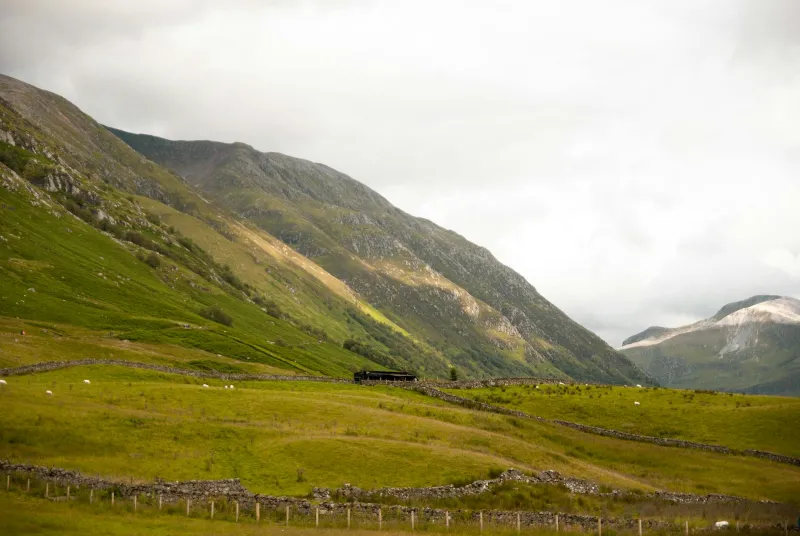
Start your engines at Braemar and prepare for 180 miles of the most spectacular legal off-roading Britain has to offer. The Highland Circuit weaves through the Cairngorms, connecting four remote bothies via a network of estate tracks and ancient military roads that most sat-navs don't even know exist.
Day one takes you from Braemar to the Shelter Stone bothy via the Lairig Ghru pass — a route that General Wade's road builders would recognise, though they probably didn't have to worry about ground clearance. The track demands respect: loose stone, steep gradients, and weather that can turn from Highland paradise to Highland purgatory in minutes.
"I've done the Dakar Rally, but nothing prepared me for Scottish weather at 2,000 feet in a buggy with no doors," laughs Manchester fabricator Dave Thornton, who completed the circuit last autumn. "By day three, I was checking the bothy book for survival tips, not just signatures."
The real challenge comes on day two: the ascent to the Corrour bothy. This isn't just driving; it's navigation, mechanical sympathy, and pure bloody-mindedness rolled into one. The reward? A night in one of Scotland's most isolated shelters, with views across Loch Ossian that'll make you forget every complaint about British weather.
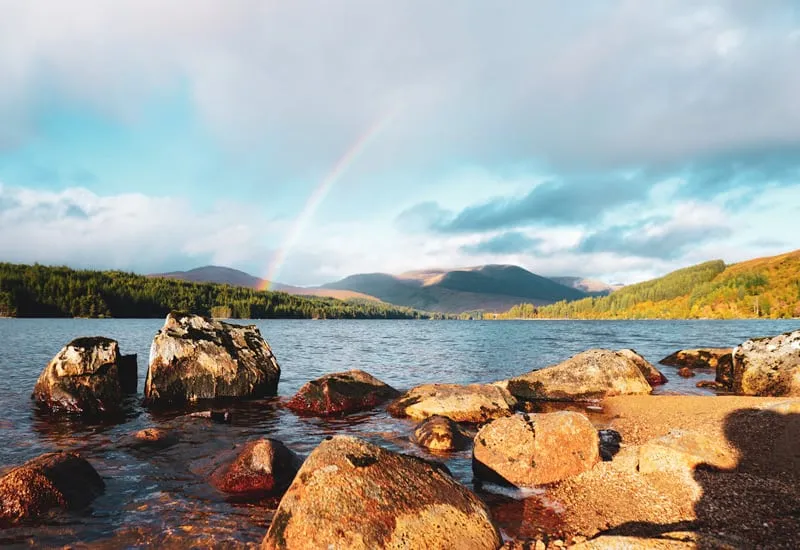 Photo: Loch Ossian, via wayfaringkiwi.com
Wales: The Drovers' Revenge
While Scotland offers grandeur, Wales delivers drama. The Cambrian Crossing links three nations' worth of heritage in a 120-mile route that follows medieval drovers' roads from Machynlleth to Hay-on-Wye. This isn't just about the driving — though the descent into the Elan Valley will test every component of your suspension setup.
The route's genius lies in its historical continuity. You're following the same tracks that Welsh farmers used to drive cattle to English markets, updated with just enough modern access agreements to keep you legal. The overnight stop at the remote Claerddu bothy sits at the route's emotional heart — a 16th-century shepherd's shelter that's witnessed everything from droving expeditions to wartime training exercises.
Permit requirements vary by section. The Powys County Council section requires advance booking through their outdoor access scheme (£15 per vehicle, maximum six vehicles per group). The Ceredigion stretch operates on a simpler system — register online 48 hours before travel, stick to designated tracks, and carry your permit reference.
Northern England: The Pennine Passage
Don't overlook England's contribution to epic off-road adventures. The Pennine Passage runs 95 miles from the Yorkshire Dales to the Scottish borders, linking working farms with abandoned lead mines via a network of green lanes that date back to Roman times.
This route's character differs markedly from its Celtic cousins. Where Scotland offers wilderness and Wales provides drama, the Pennines deliver authenticity. These are working landscapes where your buggy shares the track with farmers' quads and the occasional fell runner who's taken a wrong turn.
The overnight accommodation comes courtesy of two YHA bothies that welcome off-road groups by arrangement. Book through their adventure sports coordinator (minimum two weeks' notice, maximum eight people per booking). The facilities are basic — think sleeping platforms, wood-burning stoves, and water from the stream — but the location is priceless.
Legal Navigation: The Fine Print
Here's where adventure planning gets serious. Each route crosses multiple jurisdictions with different access rights, permit requirements, and seasonal restrictions. Scotland operates under right to roam principles, but private estate tracks require landowner permission. Wales uses a patchwork of county-specific schemes. England relies on designated rights of way that can change with little notice.
The golden rule: assume nothing. Download the OS Maps app, cross-reference with local authority websites, and phone ahead to confirm access. The Ramblers Association maintains updated access information for each route, though their perspective tends toward hiking boots rather than knobby tyres.
Seasonal restrictions hit hardest during grouse shooting (August 12 to December 10) and lambing (March to May). Some sections close entirely; others require guided passage. Plan accordingly, or risk finding your epic adventure reduced to a very expensive traffic jam behind a locked gate.
Kit List: Beyond the Basics
Multi-day bothy runs demand equipment that weekend warriors never consider. Emergency communication tops the list — mobile coverage disappears completely on several sections. A satellite messenger or PLB isn't optional; it's insurance against becoming a mountain rescue statistic.
Weather protection extends beyond waterproofs. Scottish bothies can hit sub-zero temperatures even in summer. Pack sleeping gear rated for conditions 10 degrees colder than the forecast suggests. The Shelter Stone bothy sits at 1,200 feet; meteorology works differently up there.
Mechanical preparation deserves equal attention. Carry spare belts, basic tools, and enough consumables to complete the route without resupply. The nearest motor factor to the Corrour bothy is 35 miles away — assuming you can get there.
The Bigger Picture
These routes represent something more significant than weekend entertainment. They connect modern off-road culture with landscapes that have witnessed centuries of human passage. Every mile of track tells stories — from medieval pilgrims to Victorian engineers, from wartime commandos to modern adventure seekers.
The bothies themselves embody this continuity. Originally built as working shelters for shepherds and stalkers, they've evolved into adventure bases maintained by volunteers who understand that access requires responsibility. Sign the bothy book, leave no trace, and contribute to the maintenance fund. Future generations of off-roaders depend on it.
These aren't routes you complete once and forget. They're challenges that reveal new aspects with each attempt, whether that's discovering an unmarked spur that leads to hidden waterfalls or finally mastering the technical section that defeated you last time.
Plan properly, respect the landscape, and prepare for adventures that'll redefine your understanding of what British off-roading can achieve. The bothies are waiting.