The Phoenix Rises from Pit Wheels
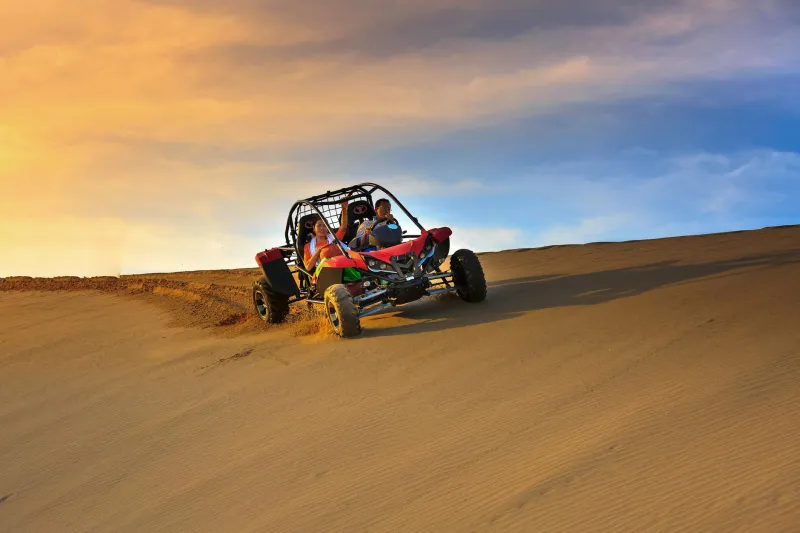
Standing atop the viewing platform at Wigan's Three Sisters Recreation Area, it's hard to believe that beneath your feet lies the remains of one of Lancashire's most productive coal mines. Where pit wheels once turned and miners descended into darkness, today's adventurers hurtle down purpose-built trails on everything from mountain bikes to competition-spec buggies.
This transformation—from industrial heartland to outdoor playground—is being replicated across the North of England and Wales, creating an unlikely renaissance that's breathing new life into communities written off by politicians and economists alike.
From Black Gold to Green Dreams
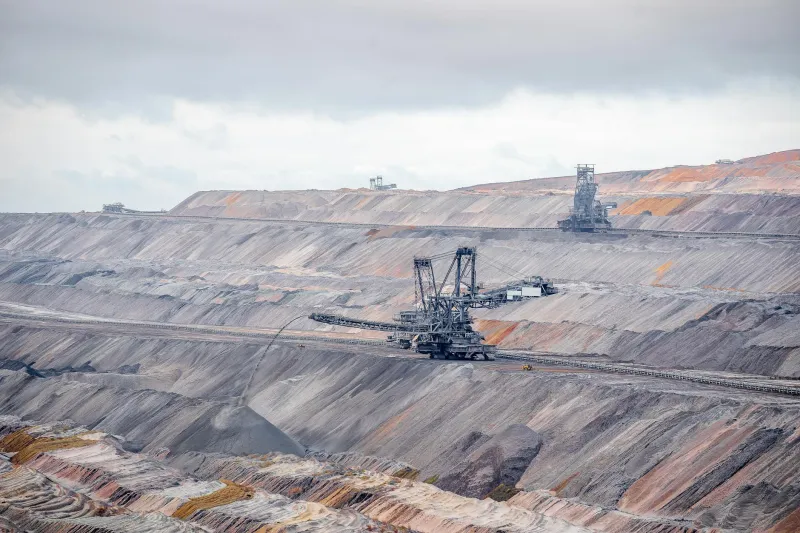
The statistics tell a familiar story: 170 collieries closed across the North between 1984 and 1994, taking with them not just jobs but entire community identities. Quarries that had carved limestone and slate from Welsh hillsides for centuries fell silent. Steel towns that had forged the Industrial Revolution found themselves surplus to requirements in the post-industrial age.
But what planners saw as dereliction, a new generation of entrepreneurs recognised as opportunity.
"These sites have incredible natural advantages for off-road activities," explains Dr. Sarah Whitfield, who studies post-industrial land use at Manchester Metropolitan University. "Varied topography created by extraction, existing access roads, and—crucially—communities desperate for economic alternatives."
The transformation hasn't been accidental. It's the result of determined local entrepreneurs, supportive councils, and communities willing to reimagine their future beyond the industries that once defined them.
The Pioneers of Post-Industrial Adventure
In the Rhondda Valley, former miner turned adventure entrepreneur Gareth Davies has created something remarkable from the bones of the old Maerdy Colliery. His 400-acre site now hosts everything from corporate team-building events to national-level competitions, employing 23 people in an area where unemployment once seemed permanent.
"My grandfather worked this pit for 40 years," Davies explains, gesturing towards trails that wind between preserved pit structures. "He'd be amazed to see Japanese tourists paying £150 a day to drive buggies where he once pushed coal wagons."
Davies isn't alone. Across the North, similar stories are unfolding:
Cumbria's Ghyll Head Quarry has been transformed into a world-class off-road driving experience by the Hodgson family, whose slate-quarrying heritage stretches back five generations. Their reinvention has created 15 jobs and attracts 8,000 visitors annually.
Yorkshire's Rother Valley has seen former steelworkers establish a network of off-road centres utilising abandoned industrial sites. The collective employs over 100 people and generates an estimated £2.3 million in local economic activity.
Wales's Blaenau Ffestiniog has leveraged its slate-quarrying heritage to become an adventure sports destination, with former quarries hosting everything from underground buggy racing to zip-line adventures.
Engineering Adventure from Industrial Heritage
The transition from industry to adventure isn't simply a matter of opening gates and hoping for the best. These sites require significant engineering to transform dangerous industrial remnants into safe, exciting recreational facilities.
At the former Parkside Colliery near St. Helens, site manager Tony Walsh walks me through the transformation process. "We've retained the industrial character while making it safe and exciting," he explains, pointing to trails that utilise former railway embankments and mining roads. "The challenges are immense—ground stability, contamination, unexploded ordnance from wartime use—but the results are worth it."
The engineering challenges have created unexpected opportunities. Many sites employ former miners and quarrymen whose deep understanding of ground conditions and industrial archaeology proves invaluable in creating safe adventure experiences.
Cultural Transformation and Community Pride
Perhaps most significantly, these developments are changing how communities see themselves. Towns that spent decades mourning lost industries are discovering new identities as adventure destinations.
"My kids don't remember the pit," says Margaret Foster from Leigh, watching her teenage son navigate a buggy through a course built on former colliery land. "For them, this place has always been about fun and adventure. That's a healthier legacy than the one we inherited."
This cultural shift extends beyond individual families. Local councils that once struggled to market their areas to investors now promote themselves as outdoor adventure destinations. The same dramatic landscapes created by industrial extraction that once symbolised decline are now marketed as unique selling points.
Economic Renaissance Beyond Tourism
The economic impact extends far beyond gate receipts and equipment hire. These facilities require ongoing maintenance, administration, and development—creating permanent local employment in areas that had seen little job creation for decades.
More significantly, they're attracting new residents and businesses. Adventure sports professionals are relocating to be near world-class facilities, while related businesses—equipment suppliers, accommodation providers, food outlets—are establishing themselves to serve the growing market.
"We've seen house prices stabilise for the first time in 20 years," notes Councillor David Price from Merthyr Tydfil, where former mining sites now host international mountain biking competitions. "Young people who would have left for Cardiff or London are staying, starting businesses, raising families. It's remarkable."
Environmental Healing Through Recreation
Counterintuitively, recreational use is accelerating environmental recovery on many former industrial sites. Regular maintenance for safety reasons means ongoing habitat management, while visitor interest encourages investment in environmental improvements.
At Wigan's Three Sisters, what was once a moonscape of spoil heaps now supports diverse wildlife, with recreational activities coexisting alongside nature recovery. The site hosts both national-level competitions and school ecology trips.
"Recreation provides the economic justification for environmental investment," explains environmental consultant Dr. James Harrison. "Without the adventure sports income, many of these sites would remain derelict eyesores rather than recovering ecosystems."
Challenges and Growing Pains
The transformation isn't without challenges. Balancing commercial viability with public access, managing environmental concerns, and dealing with liability issues require constant attention. Some communities remain sceptical of developments that seem to celebrate the industrial past they're trying to escape.
There are also growing pains as success brings its own problems. Popular sites face parking pressures, noise complaints, and infrastructure strain as visitor numbers exceed original projections.
The Road Ahead
As the movement matures, attention is turning to creating connected networks of sites that can offer multi-day adventures across former industrial landscapes. The Trans-Pennine Trail concept would link sites from Merseyside to Yorkshire, creating an off-road route through the heart of post-industrial Britain.
"We're not just preserving industrial heritage," reflects Davies, watching competitors navigate the course where his grandfather once worked. "We're creating a new chapter in these communities' stories. One where the scars of the past become the foundation for future adventures."
In an age when many rural communities struggle with economic decline and urban areas grapple with development pressures, the North's transformation offers a different model—one where industrial heritage becomes the foundation for sustainable recreation economies. It's a reminder that sometimes the most unlikely places can become the most extraordinary destinations.