Volts vs Mud: Can Electric Buggies Handle Britain's Worst Off-Road Punishment?
The electric revolution has arrived at the farm gate, and it's making some pretty ambitious promises. Manufacturers are claiming their battery-powered buggies can outperform petrol equivalents whilst saving the planet and your wallet. But here in Britain, where our idea of gentle off-roading involves knee-deep mud, biblical rainfall, and terrain that would make a mountain goat think twice, we need more than marketing speak.
We've spent the past few months putting electric buggies through the sort of punishment that would make a Land Rover Defender weep, and the results might surprise you.
The Electric Advantage: Torque That Actually Matters
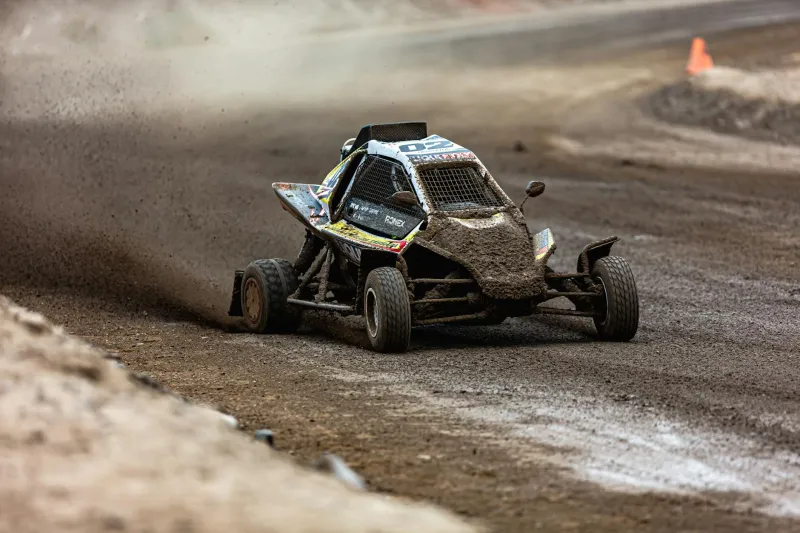
First things first – electric motors deliver their maximum torque instantly. No waiting for revs to build, no clutch slip, just immediate grunt when you need it most. In practice, this translates to seriously impressive climbing ability on steep, loose surfaces.
Take the Polaris Ranger EV we tested on the notorious Ridgeway near Wantage. Where a petrol buggy might struggle to maintain momentum on that infamous chalk climb after recent rain, the electric variant just kept pulling. The constant torque delivery means you're not fighting power curves when traction is already at a premium.
But here's where things get interesting – that same instant torque can work against you. On slippery surfaces, the immediate power delivery can overwhelm tyres faster than you can modulate the throttle. It's a learning curve that caught us out more than once during testing.
Range Reality Check: The Honest Numbers
Manufacturers love quoting range figures, but they're about as useful as a chocolate teapot when you're actually bouncing through British countryside. The official 60-mile range on our test Yamaha Wolverine RMAX2 1000 EPS became more like 35 miles of proper off-road work.
Climbing hills, powering through mud, and running accessories like winches absolutely hammers battery life. During a particularly brutal session in the Brecon Beacons, we managed just 28 miles before the low battery warning started flashing ominously.
For context, that's enough for a decent day's trail riding, but forget about weekend expeditions without serious planning. The petrol equivalent would cover twice that distance on a single tank, with fuel stops available at virtually any village.
Charging Infrastructure: The Elephant in the Mudroom
This is where electric buggies face their biggest challenge in the UK. Popular off-road destinations like the Yorkshire Dales, Dartmoor, or the Scottish Highlands aren't exactly bristling with rapid chargers. We found ourselves planning routes around charging points rather than trails, which fundamentally changes how you approach off-road adventures.
The good news? Most electric buggies can charge from a standard 13-amp socket, though you're looking at 8-12 hours for a full charge. Some accommodating farmers and pub landlords near popular green lanes are starting to offer charging facilities, but it's still hit and miss.
Rapid charging capability varies wildly between models. The more expensive units can accept faster charging rates, but you'll still need 2-3 hours minimum for a meaningful top-up.
Weather Resistance: The British Test
Britain's climate is the ultimate stress test for any vehicle, and electric buggies face unique challenges. Water ingress around electrical components is a genuine concern, though modern designs are surprisingly robust.
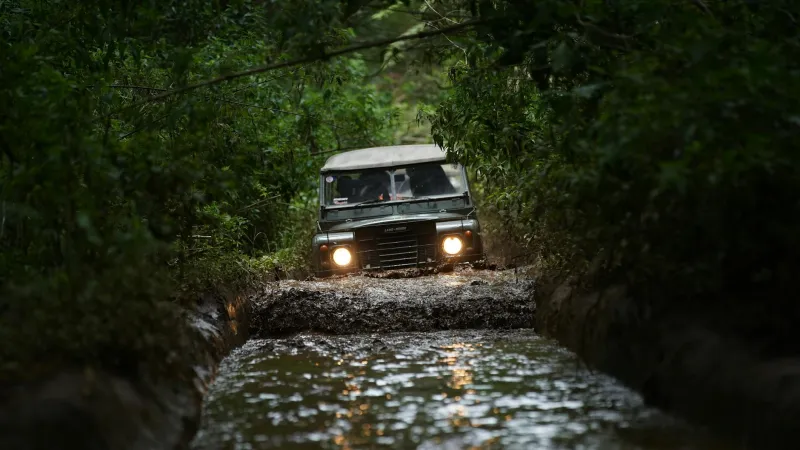
During testing in typical British conditions (read: absolutely sodden), we found most electric buggies handled water crossings and muddy conditions without drama. The sealed battery packs and motor units cope well with immersion, often better than petrol engines that can suffer water ingestion.
However, cold weather does affect battery performance. During a particularly bitter February session in the Peak District, we noticed roughly 15-20% reduction in range compared to milder conditions.
The Cost Equation: More Than Just Fuel
Electric buggies typically cost £3,000-£5,000 more than equivalent petrol models upfront. However, running costs tell a different story. Electricity is significantly cheaper than petrol, and maintenance requirements are minimal – no oil changes, spark plugs, or air filters.
Over a typical five-year ownership period, the total cost of ownership often favours electric, assuming you're not constantly hiring generators for remote charging.
The Verdict: Horses for Courses
Electric buggies aren't universally better or worse than petrol equivalents – they're different tools for different jobs. For local trail riding, farm work, and day trips with reliable charging access, they're genuinely impressive. The instant torque, reduced maintenance, and environmental benefits make a compelling case.
But for serious expedition work, remote area exploration, or multi-day adventures, petrol still holds significant advantages in range and refuelling flexibility.
The technology is advancing rapidly, with battery density improving and charging infrastructure expanding. In five years, this comparison might look very different. For now, electric buggies represent an exciting glimpse of the future, but they're not quite ready to completely replace their petrol-powered predecessors in all scenarios.
If you're considering making the switch, honestly assess your typical usage patterns. For many UK enthusiasts, electric might already make perfect sense. For others, it's worth waiting for the next generation of improvements.