Forget everything you think you know about sensible engineering. Across Britain, in sheds from Shetland to Surrey, a special breed of builder has been quietly going completely mental with angle grinders, welding torches, and dreams that would make a health and safety inspector weep.
These aren't your typical weekend warriors bolting on bigger tyres. These are the visionaries who look at a perfectly good donor car and think: "You know what this needs? A bloody great jet engine." Or two motorcycle engines. Or a tank track system. Or all three, because why not?
The Jet-Powered Postman's Paradise
Retired Royal Mail driver Terry Hutchinson from Blackpool didn't just want to go fast – he wanted to go stupidly, dangerously, brilliantly fast. His solution? A decommissioned Rolls-Royce Viper jet engine from an old training aircraft, mounted in what was once a perfectly innocent beach buggy chassis.
 Photo: Terry Hutchinson, via www.thesailchannel.com
"The wife thought I'd lost it when I brought that engine home," Terry laughs, shouting over the ear-splitting whine of his creation. "Took me three years to work out how to make it not kill me."
The result is a machine that can hit 120mph on sand – assuming you can find a beach long enough and your nerve holds out. Terry's jet buggy has racked up over two million views across various social media platforms, inspiring countless copycat attempts and at least one insurance claim denial.
Welsh Hills, Twin Thrills
Up in the Brecon Beacons, sheep farmer Gareth Williams faced a different problem: his local hills were so steep that conventional buggies just couldn't cut it. His solution was beautifully bonkers – two 1000cc motorcycle engines, one driving each axle, in a chassis he fabricated himself from agricultural steel.
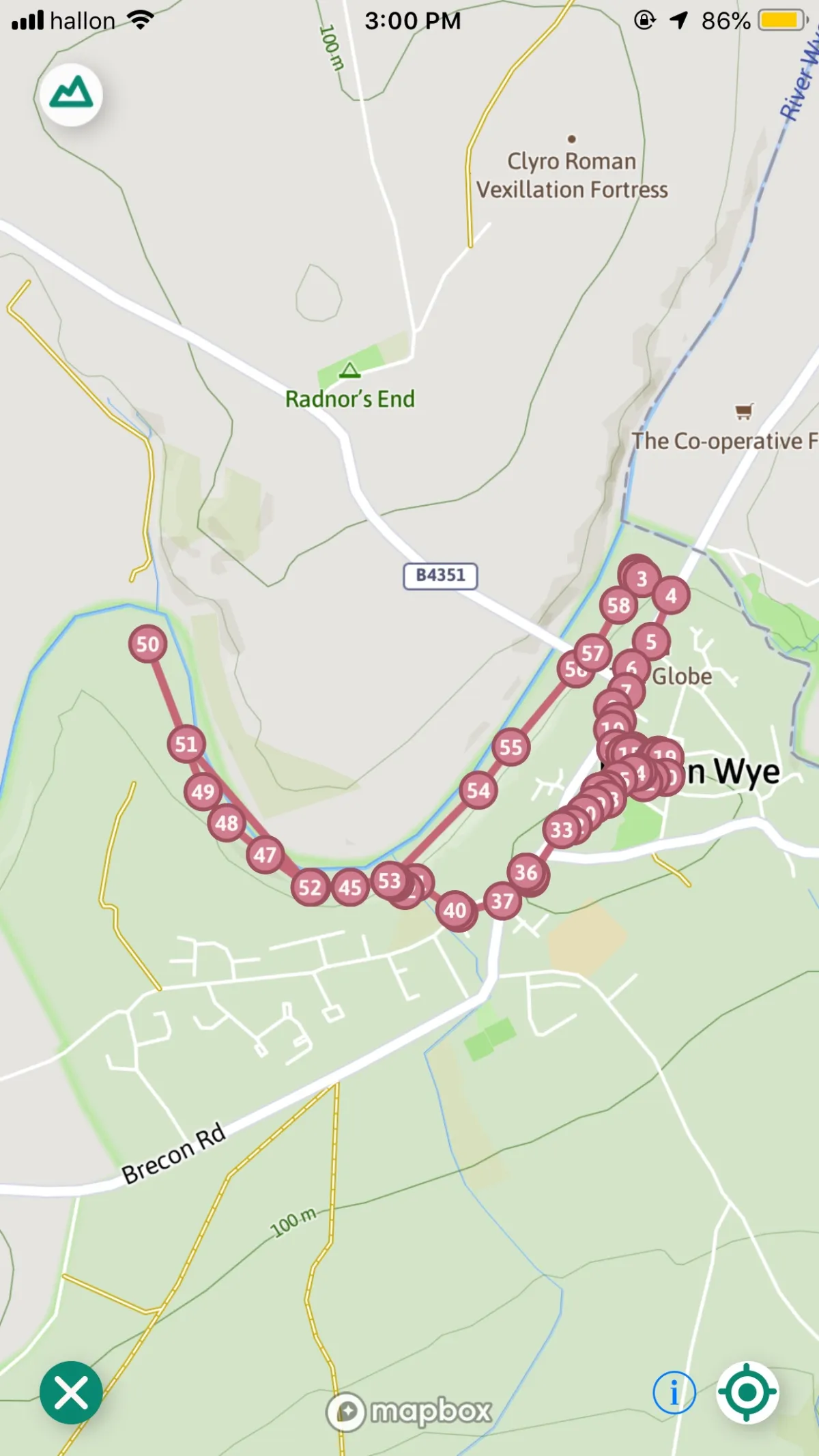 Photo: Brecon Beacons, via images.squarespace-cdn.com
 Photo: Gareth Williams, via i2-prod.dailystar.co.uk
"Started as a joke, really," Gareth explains, patting the roll cage of his twin-engined monster. "Mates said you couldn't build a proper hill climber for under a grand. Proved them wrong, didn't I?"
The machine weighs less than 400kg but produces over 200bhp. Videos of Gareth's vertical assaults on impossible gradients have made him something of a legend in Welsh off-road circles, though his insurance company remains blissfully unaware of his modifications.
The Amphibious Aberration
Sometimes British eccentricity meets genuine engineering brilliance. Take Dave Morrison's amphibious quad-track buggy, built in his garage in Grimsby over five winters. What started as a way to access remote fishing spots evolved into something that looks like it escaped from a Mad Max film.
"Boat hull underneath, buggy on top, tank tracks for propulsion," Dave explains with the casual air of someone describing a cup of tea. "Does about 40mph on land, 15 knots on water. Not bad for something made from a scrapped Transit van and a fibreglass dinghy."
The machine's debut at a Lincolnshire off-road event caused such a stir that organisers had to create a new category. Dave's since been invited to demonstrate at shows across Europe, though he admits the machine is "absolutely mental to drive."
Social Media Sensations
What makes these builds special isn't just their technical audacity – it's how they've captured the imagination of Britain's online off-road community. Each machine tells a story of obsession, ingenuity, and the peculiarly British belief that if something's worth doing, it's worth doing completely over the top.
The comments sections under these builds read like love letters to mechanical madness. "Absolutely mental, mate – when can I have a go?" is the typical response, followed by detailed technical discussions and offers to help with the next project.
The Engineering Behind the Madness
Don't mistake these for mere publicity stunts. Each build represents hundreds of hours of careful planning, fabrication, and testing. These builders might be mad, but they're not stupid.
Terry's jet buggy required custom heat shielding, a completely redesigned fuel system, and safety modifications that would make a Formula 1 team proud. Gareth's twin-engined climber needed bespoke differential systems and a transmission that could handle power from two sources. Dave's amphibian required watertight sealing throughout while maintaining structural integrity for land use.
The Community Effect
These extreme builds have done something remarkable – they've inspired a new generation of builders to think bigger, weirder, and more ambitiously. Local clubs report surges in membership following viral videos, and parts suppliers note increased demand for unusual components.
"Used to be people wanted bigger engines or better suspension," notes Pete Rawlings, who runs a specialist off-road parts business in Birmingham. "Now they're asking about jet engines, hydraulic systems, even submarine parts. It's brilliant madness."
The Future of Bonkers
As electric technology becomes more accessible, a new breed of mental machine is emerging. Early experiments include a Tesla-powered sand rail that can wheelie for 100 metres and a converted milk float that tackles green lanes in complete silence.
The British talent for automotive eccentricity shows no signs of slowing down. If anything, social media has accelerated the arms race of absurdity, with each new build trying to out-do the last in terms of sheer "what the hell were they thinking?"
Because sometimes, the best answer to "why?" is simply "why not?"