The Algorithm Loves Mud
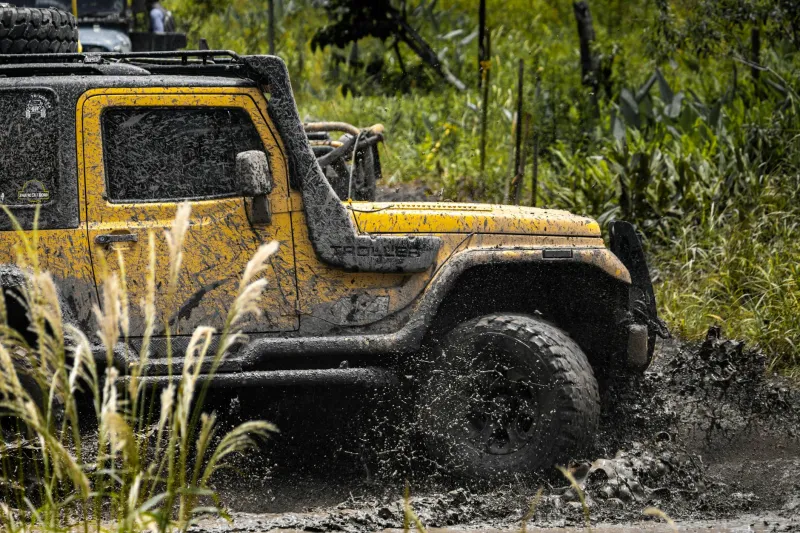
Scroll through TikTok or Instagram Reels for five minutes, and you'll inevitably hit a clip of someone absolutely sending it through a muddy puddle, usually accompanied by aggressive dubstep and a caption about "Monday motivation." Britain's off-road scene has gone viral, and nobody quite knows how to feel about it.
The numbers are staggering. #OffRoad has over 2.8 billion views on TikTok, with British creators like @MudPluggerUK and @WelshWheelSpin racking up millions of individual video views. What was once a niche community sharing grainy forum photos has exploded into mainstream entertainment, complete with brand sponsorships and merchandise deals.
The New Breed
This digital revolution has created a new type of off-road celebrity. Take Connor Williams, a 22-year-old from Swansea whose TikTok account went from zero to 400K followers in eighteen months, purely by filming his weekend adventures in a modified Defender. "I just started recording the mad stuff we were doing anyway," he explains. "Suddenly brands are throwing free kit at me, and people are travelling from Scotland to ride with us."
The content formula is surprisingly consistent: dramatic music, slow-motion mud sprays, and increasingly spectacular stunts. Williams admits the pressure to create viral content has pushed him toward riskier driving. "You can't just post a gentle green lane cruise anymore. People want to see proper carnage."
The Access Dilemma
This is where the old guard starts getting nervous. Decades of careful negotiation with landowners and local authorities have secured access to Britain's network of byways and permitted sites. Those agreements were built on the understanding that off-roaders were a small, self-regulating community that respected the countryside.
Now, viral videos regularly feature locations that are clearly identifiable, leading to problems that would make any access officer's blood pressure spike. Private land gets invaded by copycat drivers, protected sites see damage from inexperienced visitors, and local residents who've tolerated occasional weekend traffic suddenly face daily convoys of social media wannabes.
"We've spent thirty years building relationships with farmers and councils," explains Janet Morrison from the Trail Riders Fellowship. "One viral video of someone trashing a field can undo years of goodwill. These influencers don't seem to understand they're not just representing themselves."
The Education Gap
The rapid growth has created a knowledge vacuum. Traditional off-road education happened through clubs, mentorship, and gradually building skills over years. Social media bypasses all that, delivering advanced techniques to complete beginners who lack the foundational knowledge to execute them safely.
Driving instructor and off-road trainer Mike Stevens has seen the results firsthand. "I'm getting bookings from people who've watched YouTube tutorials and think they're ready for extreme terrain. They've seen the highlight reel but missed twenty years of learning about vehicle dynamics, risk assessment, and basic mechanical sympathy."
The comment sections tell the story. Videos of challenging ascents or technical sections are flooded with viewers asking for exact locations, seemingly unaware that publishing precise coordinates violates most site agreements and puts future access at risk.
The Commercial Revolution
Social media has fundamentally changed the economics of British off-roading. Successful creators now earn serious money through sponsorships, merchandise, and affiliate marketing. Companies that once relied on magazine advertising are redirecting budgets toward influencer partnerships, recognising that a single viral video can reach more potential customers than a year of traditional marketing.
This has created opportunities but also tensions. Established businesses watch newcomers with smartphone cameras suddenly commanding larger audiences than companies with decades of industry experience. The influence is real – a positive review from the right creator can sell out a product overnight.
The Authenticity Question
Long-time community members worry about the sport's soul. Off-roading has traditionally been about personal challenge, mechanical sympathy, and respect for the environment. The social media version often emphasises spectacle over skill, destruction over conservation.
"When I started, it was about getting from A to B through challenging terrain," reflects veteran trials rider Peter Hayes. "Now it seems to be about creating the most dramatic content possible. The focus has shifted from driving well to driving for the camera."
Yet there's an undeniable positive side. Young people who might never have discovered off-roading are finding the community through social media. Many creators do emphasise safety, legal access, and environmental responsibility. The challenge is ensuring these messages aren't drowned out by the algorithm's preference for drama.
Finding Balance
Some creators are actively trying to bridge the gap between entertainment and education. Channels like @ProperOffRoad balance exciting content with technical explanations, safety advice, and access education. They're proving it's possible to create engaging content without compromising the sport's values.
The key seems to be treating social media as a tool for community building rather than just entertainment. Successful creators who've maintained credibility within the traditional community tend to be those who use their platforms to promote responsible practices, support conservation efforts, and direct followers toward proper training.
The Road Ahead
Social media isn't going anywhere, and neither is its influence on British off-roading. The challenge for the community is harnessing this new energy while protecting the access rights and cultural values that made the sport possible in the first place.
Smart organisations are adapting rather than resisting. The British Off-Road Federation has launched its own social media campaigns, working with responsible creators to promote safe, legal driving. Some clubs are offering "influencer days" – controlled events where content creators can film dramatic footage without compromising sensitive sites.
The future likely lies in integration rather than separation. The old guard has knowledge and experience the new creators need. The influencers have reach and energy the traditional community can benefit from. Whether they can work together effectively will determine whether social media becomes off-roading's salvation or its downfall.
One thing's certain: the days of off-roading as a hidden subculture are over. The question now is whether its new fame will enhance or erode what made it special in the first place.