The Saturday Morning Warriors
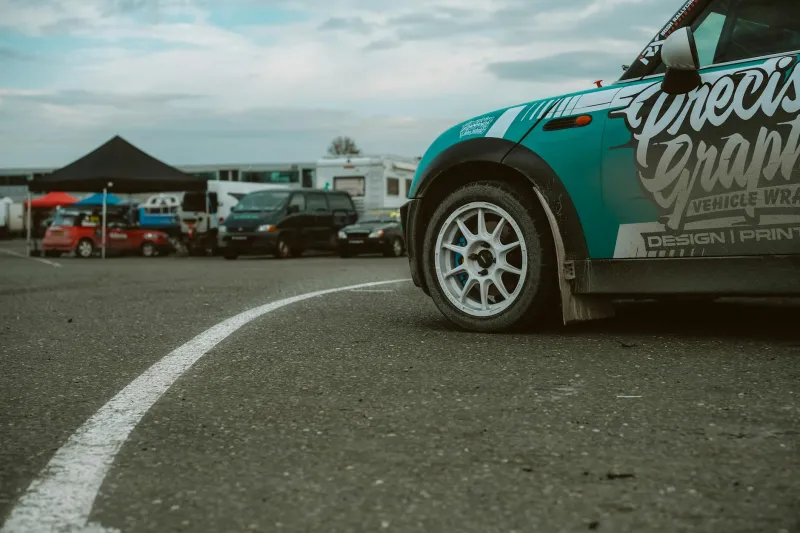
At 6 AM on a drizzly Saturday morning in Northamptonshire, the car park at Silverstone Motor Club looks more like a scrapyard convention than the staging ground for Britain's most exciting motorsport revolution. Battered Transit vans disgorge homemade buggies that appear to have been assembled from equal parts genius and desperation, while their builders—teachers, plumbers, and IT consultants by weekday—transform into focused competitors.
This is the beating heart of British buggy racing: the club scene that's quietly producing some of the country's most talented off-road pilots, one muddy weekend at a time.
From Kitchen Table to Starting Grid
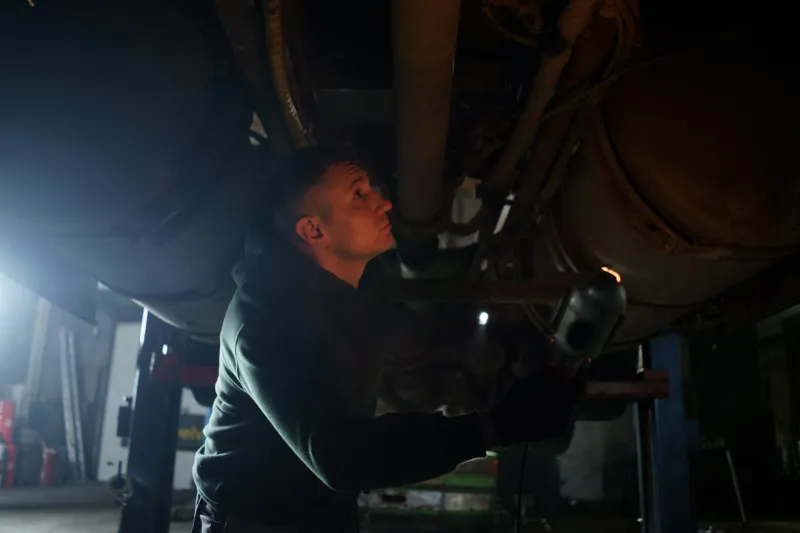
Take Dave Morrison, a 42-year-old heating engineer from Kettering who's just claimed his third consecutive victory in the Eastern Counties Buggy Championship. His weapon of choice? A tube-framed monster he built in his garage over 18 months, using salvaged parts from a written-off Subaru Impreza and enough steel tubing to fence a small field.
"Started with a £300 donor car and a dream," Morrison grins, wiping grease from his hands. "Three years later, I'm beating lads with £15,000 machines. It's not always about the money—it's about understanding how to make everything work together."
Morrison's story echoes across Britain's club racing paddocks. These aren't wealthy hobbyists throwing money at problems; they're resourceful enthusiasts who've learned to weld, fabricate, and engineer solutions on shoestring budgets.
The Real Cost of Glory
But don't let the DIY ethos fool you—competitive buggy racing demands serious commitment. Entry-level club racing requires a minimum investment of £5,000-£8,000 for a competitive machine, assuming you're doing most of the work yourself. Factor in transport, entry fees, tyres, and the inevitable breakages, and you're looking at £3,000-£5,000 per season.
"People think because we're club level, it's cheap," explains Sarah Jenkins, who runs logistics for the Welsh Off-Road Racing Association. "But these lads are spending every spare penny on their machines. I've seen marriages tested over buggy budgets."
The commitment extends beyond financial. Successful club racers typically spend 15-20 hours per week on their machines during the season—fabricating, maintaining, and constantly evolving their setups. It's an obsession that borders on the unhealthy, but produces results that would make professional teams take notice.
Breeding Ground for Champions
The club scene's real magic lies in its role as a proving ground for future stars. Professional off-road racers like Tom Bradley and Jessica Matthews both cut their teeth in club racing, learning craft and racecraft in environments where mistakes are educational rather than career-ending.
"Club racing taught me more about vehicle dynamics in two years than any textbook could," says Matthews, now competing internationally. "When you're building and maintaining your own machine, you understand every bolt, every suspension setting. That knowledge is invaluable when you step up."
The pathway from club to professional isn't just about driving talent—it's about developing the complete skillset modern motorsport demands. Today's club racers are fabricators, engineers, and mechanics by necessity, creating a generation of competitors who understand their machines from the ground up.
The Technical Arms Race
Modern club buggy racing has evolved far beyond the agricultural machines of the 1980s. Today's competitive club buggies feature sophisticated suspension systems, programmable engine management, and aerodynamic packages that would make Formula 1 teams jealous.
"The technical level has exploded in the last five years," notes Andy Thompson, a veteran scrutineer who's been inspecting club machines since the 1990s. "These guys are running data acquisition systems, adjustable anti-roll bars, and custom ECU maps. It's proper motorsport engineering on a club budget."
This technical evolution has created fascinating sub-cultures within the scene. The "shed engineers" who can fabricate miracles from scrap metal compete alongside the "laptop tuners" who've mastered engine management software, while the "suspension wizards" jealously guard their setup secrets.
Regional Rivalries and National Dreams
Britain's club racing scene is built around fierce regional rivalries that add spice to every championship battle. The hard-charging northerners from Yorkshire and Lancashire face off against the technically sophisticated southerners, while the Welsh contingent brings mountain-bred bravery to every encounter.
"Yorkshire lads race like their lives depend on it," laughs Jenkins. "The Welsh are fearless, and the southern boys have the best-prepared machines. Put them all together and you get proper racing."
These regional championships feed into national events where the best club racers compete for ultimate bragging rights. The British Club Buggy Championship has become a genuine spectacle, drawing crowds of 5,000+ and attracting attention from professional teams scouting for talent.
The Next Generation
Perhaps most encouragingly, the club scene is attracting younger competitors who see buggy racing as an accessible entry point into motorsport. University teams are building increasingly sophisticated machines, while apprenticeship schemes are creating pathways for young engineers to combine their professional development with racing ambitions.
"My 19-year-old apprentice is designing suspension components that put my old machines to shame," admits Morrison. "The next generation isn't just inheriting our sport—they're revolutionising it."
As British motorsport faces an uncertain future, the club buggy racing scene represents something precious: a grassroots movement where talent, determination, and ingenuity matter more than chequebook size. In converted sheds and muddy paddocks across Britain, the future of off-road racing is being forged one weekend warrior at a time.