The New Cash Crop
Forget wheat and barley — mud might just be Britain's most profitable harvest. Across the country, savvy farmers and estate owners are discovering that their worst fields, the ones too boggy for crops and too rough for livestock, are absolute gold mines for adventure-seeking urbanites with dirty driving desires.
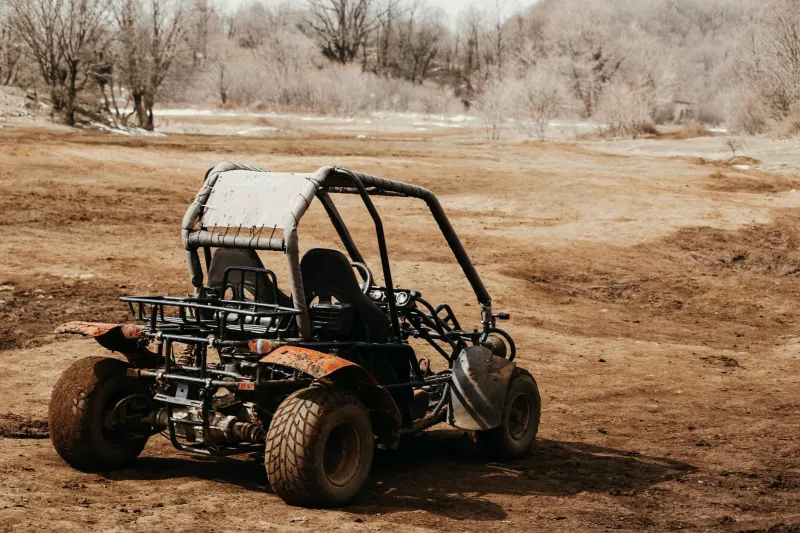
Take Dave Thornton's operation near Thirsk in North Yorkshire. What started as a side hustle offering quad bike tours three years ago has evolved into 'Moor Madness Adventures,' a full-scale buggy experience centre that's booked solid most weekends. "I was looking at this 40-acre field that floods every winter and thinking it was useless," Dave explains. "Turns out, what's useless for farming is perfect for sideways driving."
From Plough to Play
The transformation isn't accidental. Britain's agricultural sector has been under pressure for years, with rising costs and unpredictable weather making traditional farming increasingly challenging. Meanwhile, the appetite for outdoor experiences has exploded, particularly among time-poor professionals desperate to escape their screens.
"We're seeing a perfect storm of opportunity," says Sarah Mitchell, who runs the Adventure Tourism Association. "Farmers have the land, the infrastructure, and often the mechanical know-how. City folk have the disposable income and the hunger for authentic experiences. It's a natural match."
The numbers back this up. According to recent industry data, off-road experience days have grown by 180% since 2019, with buggy experiences leading the charge. What's driving this boom? Partly it's the Instagram effect — muddy action shots perform brilliantly on social media. But there's something deeper at play.
The Welsh Pioneers
In the Brecon Beacons, the Williams family at Pen-y-Fan Adventures have been at this game longer than most. Starting with a handful of modified ATVs in 2016, they now run a fleet of 20 purpose-built buggies across 200 acres of varied terrain.
"The key is understanding what people actually want," explains eldest son Gareth Williams. "It's not just about speed or danger. People want to feel capable, to conquer something challenging but achievable. Our terrain gives them that — proper hills, water crossings, technical sections, but nothing that'll genuinely hurt you if you get it wrong."
Their success has spawned imitators across Wales. From converted quarries in Snowdonia to coastal courses in Pembrokeshire, the Welsh have embraced off-road tourism with characteristic enthusiasm. The Welsh government has even launched a specific grant scheme for agricultural diversification into adventure sports.
Northern Exposure
Scotland's contribution to this boom tells a different story. Here, it's often the big estates leading the charge, adding buggy experiences to existing outdoor portfolios that might include stalking, fishing, or clay pigeon shooting.
The Cairngorms estate of Rothiemurchus has integrated buggy tours into their year-round offering, using the experiences to showcase the landscape rather than simply thrash through it. "Our guests aren't just here for the adrenaline," explains activities manager Fiona MacLeod. "They want to access parts of the estate they'd never see on foot, but in a way that's more engaging than a traditional Land Rover tour."
The Business of Mud
Making money from mud isn't as straightforward as it might seem. The regulatory landscape is complex, with planning permissions, environmental assessments, and insurance considerations that can make or break a venture.
"The insurance alone nearly killed us in the first year," admits Dave Thornton. "Standard agricultural policies don't cover paying customers, and specialist adventure tourism insurance is eye-wateringly expensive until you can prove you know what you're doing."
Then there's the equipment investment. A decent buggy suitable for commercial use starts around £8,000, and most operations need at least six vehicles to make group bookings viable. Add in safety equipment, first aid training, and the inevitable maintenance costs, and you're looking at serious upfront investment.
Seasonal Challenges and Solutions
British weather presents unique challenges. While mud is the point, there's a fine line between exciting conditions and genuinely dangerous ones. Most successful operations have developed sophisticated booking systems that can adapt to conditions in real-time.
"We've got three different course layouts depending on conditions," explains Gareth Williams. "Wet weather gets the full swamp experience. Dry spells mean we can open up the technical rocky sections. Frozen ground in winter? That's when we break out the studded tyres for ice driving."
Smart operators are also diversifying their offerings. Many now provide corporate team-building packages, stag and hen experiences, and even buggy driving lessons for those wanting to progress beyond guided tours.
The Future Landscape
The sector shows no signs of slowing down. Planning applications for new off-road experience centres are up 300% year-on-year, and established operators are expanding rapidly.
But success requires more than just acres and enthusiasm. The most sustainable operations are those that integrate properly with their local communities, employ local staff, and source their supplies locally. They're also the ones thinking seriously about environmental impact, using their experiences to educate visitors about countryside stewardship rather than just providing muddy thrills.
Getting Your Wheels Dirty
For enthusiasts looking to sample these experiences, the variety is staggering. From gentle family-friendly tours suitable for 12-year-olds to hardcore technical challenges that'll test experienced drivers, there's something for every appetite and skill level.
Most operations offer half-day experiences starting around £80 per person, with full-day adventures climbing towards £150. Corporate packages and exclusive group bookings command premium pricing, often reaching £200+ per head.
The boom in buggy-friendly adventure tourism represents something uniquely British: the ability to turn a problem — in this case, difficult agricultural land — into an opportunity. As more farmers discover that their worst fields might actually be their most valuable assets, the only question is whether Britain's appetite for muddy adventures can keep pace with the growing supply of places to get properly dirty.
For an industry built on the simple pleasure of driving sideways through puddles, the future looks remarkably bright. And muddy. Very, very muddy.