The Dream vs The Reality
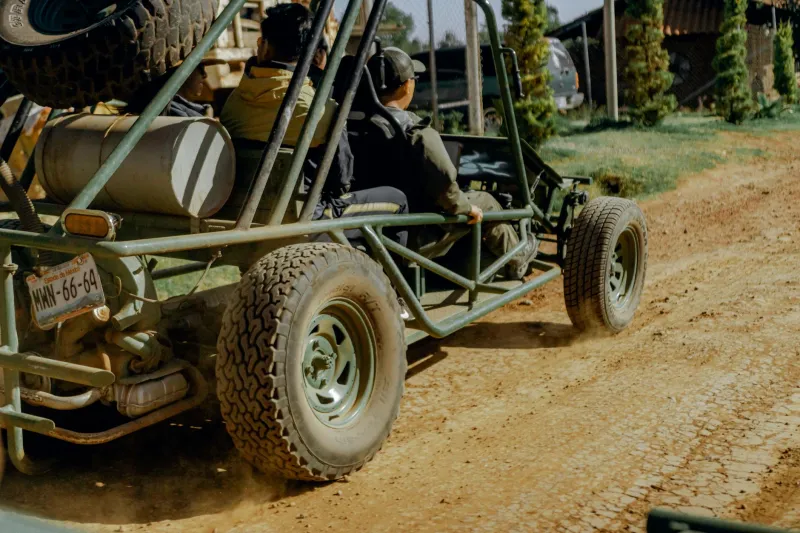
Every British buggy builder has the same fantasy: rolling their creation off the trailer, slapping on some number plates, and legally bombing down country lanes to the local pub. The harsh reality? That dream dies somewhere between the 47th form and the third failed IVA test, usually around the time you realise the headlight washers you never fitted are apparently mandatory.
The Individual Vehicle Approval scheme is the DVLA's way of letting home builders register their creations for road use. In theory, it's brilliant – a pathway for innovative British engineering to reach the tarmac legally. In practice, it's a bureaucratic maze that's claimed more victims than the Nürburgring.
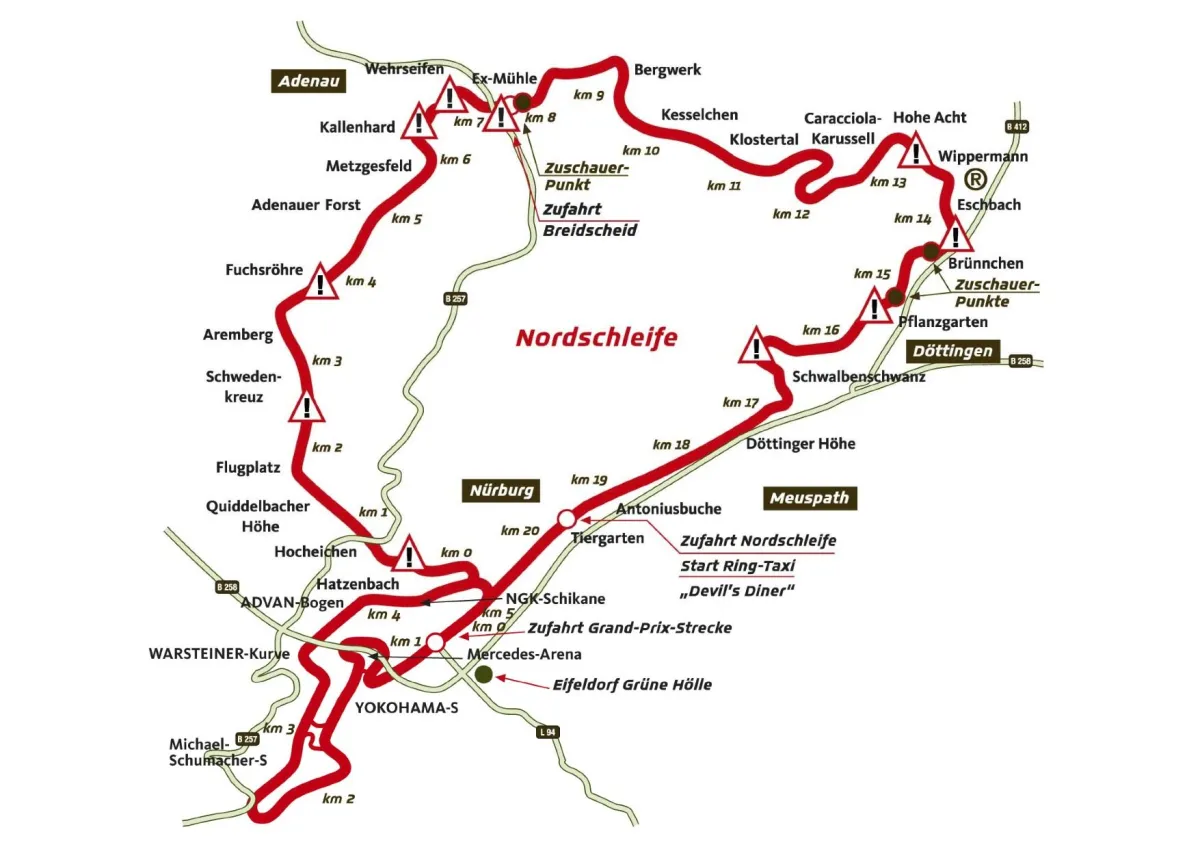 Photo: Nürburgring, via i.pinimg.com
The IVA Minefield
Talk to anyone who's actually succeeded in getting their buggy through IVA, and they'll tell you the same thing: start planning for road legality before you even pick up a spanner. Mark Thompson from Worcestershire learned this the hard way with his Westfield-inspired creation. "I spent two years building what I thought was the perfect road-legal buggy," he recalls. "Then discovered my roll cage was 15mm too low, my indicators were the wrong colour temperature, and apparently my gear lever needed a rubber gaiter."
The regulations are dense, contradictory, and seemingly written by people who've never seen a buggy, let alone built one. The official guidance runs to hundreds of pages, cross-referencing European standards that may or may not apply to your specific creation. It's enough to drive anyone to drink – assuming they can legally drive to the pub first.
The Hidden Costs
IVA testing isn't cheap. The basic test costs £574, but that's just the beginning. Factor in the inevitable re-tests (£289 each), professional pre-test inspections (£200-500), and the modifications needed to pass, and you're looking at £2,000-3,000 minimum. That's assuming you get it right on the second attempt.
Then there are the components you never budgeted for. Proper ECE-approved lights, mirrors that meet specific dimensional requirements, and emissions equipment that often requires professional installation. "I ended up spending more on getting it legal than I did building the bloody thing," admits Dave Richards, whose kit car project turned into a three-year legal odyssey.
The Common Pitfalls
Certain failures crop up again and again. Lighting is the big one – not just having lights, but having the right lights in the right places with the right approval markings. Many builders discover too late that their eBay LED strips don't meet ECE standards, or that their rear lights need specific separation distances.
Seats are another gotcha. That racing bucket that felt perfect on the track needs proper adjustment mechanisms and approved mounting points for road use. The regulations demand specific ranges of adjustment, even if you're the only person who'll ever sit in it.
Then there's the emissions test. Even a basic motorcycle engine needs to meet current standards, which often means catalytic converters, lambda sensors, and sometimes full engine management systems. The days of bolting in a Blade engine and calling it done are long gone.
The Success Stories
Despite the horror stories, people do succeed. The key seems to be treating IVA compliance as part of the design process, not an afterthought. James Parker from Kent spent six months researching regulations before cutting his first tube. His Hayabusa-powered creation sailed through IVA first time.
"I bought the lights, mirrors, and instruments before I even started welding," Parker explains. "Cost more upfront, but saved me months of modifications later. The secret is buying proper automotive components, not motorcycle or aftermarket bits that look similar."
Some builders swear by professional IVA preparation services. Companies like SVA Preparations and IVA Solutions charge £500-1,000 to review your build and highlight potential issues before the test. Expensive, but often cheaper than multiple re-tests.
The Alternative Routes
Not everyone bothers with road registration. Many builders accept that their creation will live on trailers, restricted to private land and competition events. For pure off-road machines, this makes perfect sense – why compromise your design for regulations you'll never benefit from?
Others go the historic route, building period-correct replicas that qualify for more relaxed testing under historic vehicle regulations. It's a niche approach, but can work for certain types of builds.
Is It Worth The Hassle?
The fundamental question every builder faces: is road legality worth the cost, complexity, and compromise? For pure track or off-road machines, probably not. But there's something special about being able to drive your creation to events, pop to the shops, or just enjoy country lanes on a Sunday morning.
"Every time I fire it up and drive to the petrol station, I remember why I went through all that paperwork hell," says Thompson, whose buggy eventually passed on the fourth attempt. "But would I do it again? Ask me after a few pints."
The Future of IVA
Rumours persist of IVA reform, possibly aligning with post-Brexit regulations that could be more builder-friendly. But the DVLA moves slowly, and current indications suggest the system will become stricter, not more relaxed.
The smart money is on understanding the current system and working within it, rather than hoping for future changes. Because while the regulations might be byzantine, the satisfaction of legally driving your own creation on British roads? That's worth every frustrating form.
Just budget twice what you think it'll cost, and three times as long as you think it'll take. Trust us on this one.