The Quiet Revolution
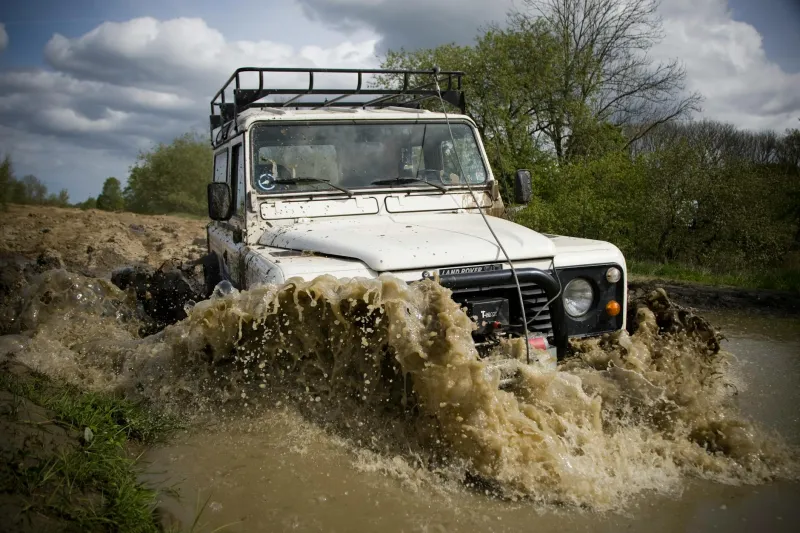
Whilst you're out there carving through muddy ruts and splashing through ford crossings, there's a war being fought in council chambers and courtrooms across Britain. It's a battle for the very soul of off-road driving – the fight to keep our ancient network of green lanes, byways, and unsealed roads open for future generations of buggy enthusiasts.
The heroes of this story aren't wearing helmets and roll cages. They're armed with clipboards, legal documents, and an unwavering determination to preserve what many consider Britain's greatest off-road treasure: our historic rights of way.
Meet the Frontline Fighters
Step into any village hall meeting where a Traffic Regulation Order is being discussed, and you'll likely spot members of the Trail Riders Fellowship (TRF) or the Green Lane Association (GLASS). These aren't your typical pressure groups – they're made up of ordinary off-road enthusiasts who've transformed themselves into legal eagles, historical researchers, and political lobbyists.
Take Sarah Mitchell from the Yorkshire Dales, a buggy driver turned byway detective. She spends her weekends not just driving green lanes, but photographing historical evidence, researching old maps, and attending planning meetings. "People think we just want to tear up the countryside," she explains, "but we're often the best conservationists these routes have. We notice when drainage fails, when illegal barriers appear, or when landowners try to plough up ancient tracks."
The dedication is staggering. GLASS volunteers have collectively donated thousands of hours to fighting Traffic Regulation Orders – legal instruments that can permanently close routes to motor vehicles. In 2023 alone, they challenged over 150 proposed closures across England and Wales.
The Legal Battlefield
The complexity of British rights of way law would make a constitutional lawyer weep. Ancient routes carry different legal statuses: Byways Open to All Traffic (BOATs), Restricted Byways, Unclassified County Roads, and the mysterious "roads used as public paths." Each category has different rules, different protections, and different vulnerabilities.
The most contentious battles often centre around the 2026 cut-off date – a legal deadline after which historical evidence for vehicular rights will no longer be accepted for adding routes to the Definitive Map. This has created a frantic race against time, with volunteers scouring archives, interviewing elderly locals, and piecing together centuries of evidence.
"We're essentially archaeologists of access," explains Tom Bradley, a GLASS researcher who's helped secure legal protection for over 30 miles of green lanes in the Peak District. "Every old tithe map, every mention in a parish record, every photograph of a coal cart using a track – it all becomes crucial evidence."
The Opposition Forces
It's not just bureaucratic inertia these volunteers face. Well-funded opposition often comes from unexpected quarters. Wealthy landowners with expensive legal teams, environmental groups with political influence, and local councils under pressure to reduce maintenance costs all line up against vehicular access.
The arguments are familiar: noise pollution, environmental damage, conflict with walkers and horse riders. But the volunteers have learned to fight fire with fire, commissioning their own ecological surveys, noise assessments, and usage studies.
"The irony is that many of our opponents use 4x4s to access their own land," notes Dave Harrison, a TRF regional representative. "They just don't want anyone else enjoying the same privileges."
Technology Meets Tradition
Modern campaigning has embraced digital tools that would astound the Victorian surveyors who first mapped these routes. Volunteers use GPS to create precise route recordings, deploy trail cameras to monitor usage patterns, and maintain sophisticated databases of legal precedents.
The TRF's app allows members to report route problems instantly, creating a real-time network of intelligence that often outpaces official monitoring. When illegal barriers appear overnight, volunteers can document and report them before the authorities even know they exist.
Small Victories, Big Impact
The wins might seem modest to outsiders – a single lane reopened here, a closure order overturned there – but each success preserves irreplaceable pieces of Britain's off-road heritage. The Ridgeway in Oxfordshire, the Pennine Bridleway, countless moorland tracks across the Lake District – all remain open partly because volunteers refused to let them disappear without a fight.
Recently, campaigners celebrated a major victory when they successfully challenged the closure of Stang Forest Track in North Yorkshire. Three years of legal battles, thousands of pounds in costs, and countless volunteer hours resulted in the route remaining open – preserving access to some of the most spectacular off-road driving in northern England.
How You Can Join the Fight
The message from these rights of way warriors is clear: they need reinforcements. Every buggy driver who enjoys green lanes has a stake in this battle, and there are multiple ways to contribute.
Joining organisations like the TRF or GLASS provides crucial funding for legal challenges. Even basic membership fees help maintain the war chest needed for expensive court battles. But the real need is for active volunteers – people willing to attend council meetings, research historical evidence, or simply adopt a local route and monitor its condition.
"We're not asking everyone to become legal experts," emphasises Sarah Mitchell. "But if you drive green lanes, you should know who's fighting to keep them open. And if you can spare even a few hours a year, you can make a real difference."
The Future of Off-Road Access
As environmental concerns intensify and rural communities become increasingly polarised over access issues, the work of these volunteers becomes ever more crucial. The 2026 deadline looms large, but beyond that lies the ongoing challenge of maintaining what we have whilst building bridges with other countryside users.
The next time you're bouncing through puddles on a beautiful byway, spare a thought for the unsung heroes who fought to keep that route open. Better yet, consider joining their ranks. Because in the battle for Britain's off-road future, every volunteer counts – and every route saved is a victory for adventure.