The Corporate Invasion
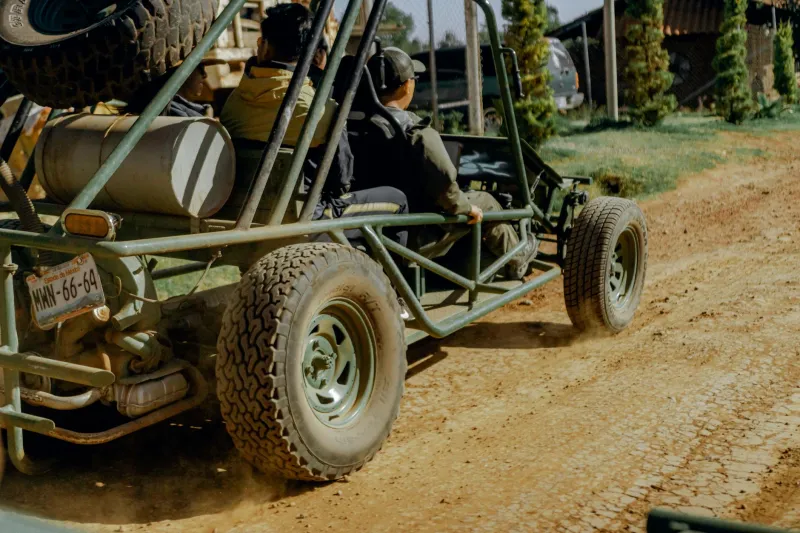
There's a peculiar sight becoming increasingly common across Britain's off-road centres: groups of office workers in matching polo shirts, tentatively gripping roll cages as their buggies bounce through puddles that would make a trials rider grin. Corporate team-building has discovered mud, and the traditional world of British off-roading is having to adjust.
What started as a handful of adventurous HR departments looking beyond the tired formula of paintball and Go Ape has exploded into a proper industry. Off-road centres from the Cotswolds to the Cairngorms report corporate bookings now make up 40-60% of their business during weekdays. The numbers are staggering: a single day's team-building event for twenty employees can generate £2,000-£4,000 in revenue.
From Spreadsheets to Suspension
Take Mud & Motion near Birmingham, where owner Dave Richardson has watched his business transform over the past five years. "We used to be weekend warriors and the odd birthday party," he explains, hosing down a fleet of Can-Am Mavericks between corporate sessions. "Now I've got Jaguar Land Rover booking quarterly sessions, and last month we had a team from KPMG who'd never seen countryside that wasn't framed by a train window."
The appeal for companies is obvious. Traditional team-building often feels forced – there's only so much trust you can build falling backwards into a colleague's arms. But strap a group of accountants into side-by-sides and send them through a challenging course, and something genuine happens. The hierarchy flattens when the marketing director is white-knuckling it through the same mud pit as the intern.
The Money Trail
The financial incentives have transformed how off-road operators run their businesses. Corporate clients pay premium rates, book in advance, and rarely cancel due to weather. They're also surprisingly adventurous once the initial nerves wear off. "These city types think they want the gentle introduction," laughs Sarah Mitchell from Peak District Adventures. "Two hours later they're begging for the black run and asking about booking their own weekend sessions."
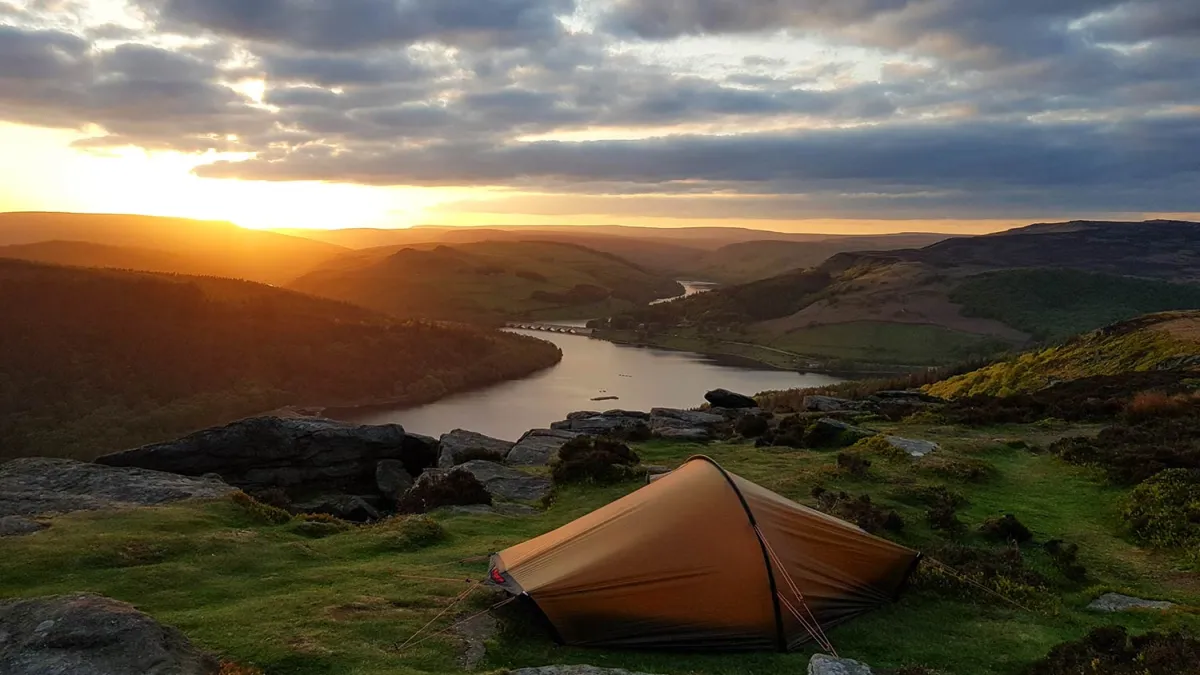 Photo: Peak District, via peakplaces.co.uk
Insurance companies have noticed too. Several major firms now offer discounted rates for companies that incorporate adventure-based team-building into their employee wellness programmes. The logic is sound: employees who've conquered a gnarly descent together tend to communicate better back in the office.
The Authenticity Question
But this corporate gold rush isn't without its critics within the off-road community. Long-time enthusiasts worry about the sanitisation of their sport. Purpose-built corporate courses often lack the raw challenge of traditional green lanes or competitive events. The machines are governed for safety, the routes are predictable, and there's always a safety briefing that mentions 'duty of care' more than 'having a laugh.'
"It's brilliant for business, don't get me wrong," admits one centre owner who preferred not to be named. "But when you're designing courses for people who've never driven anything more challenging than a Tesco car park, you're not exactly pushing boundaries. Sometimes I wonder if we're creating off-road tourists rather than off-road drivers."
The Ripple Effect
The corporate boom has had unexpected consequences. Equipment manufacturers report increased demand for 'user-friendly' machines – side-by-sides with automatic transmissions, multiple safety systems, and comfort features that would make traditional buggy builders shake their heads. Some worry this trend toward sanitised adventure could influence the broader market.
Yet there's an undeniable positive: exposure. Many corporate participants discover a genuine passion for off-roading and become weekend enthusiasts. Club membership has grown by 25% over the past three years, with a significant portion citing corporate experiences as their introduction to the sport.
Finding the Balance
Smart operators are finding ways to serve both markets without compromising either. Separate fleets, different courses, and crucially, different attitudes. The corporate clients get their safe, structured experience with proper catering and clean facilities. The enthusiasts get their technical challenges, minimal interference, and the muddy authenticity they crave.
"It's about reading the room," explains Richardson. "Corporate groups want an adventure they can safely Instagram. Proper off-roaders want challenges that test them. We can deliver both, but not at the same time."
The Future of Off-Road Commerce
As corporate team-building continues to evolve, off-road operators face an interesting dilemma. The money is undeniably good, and it's funding facility improvements that benefit all users. New changing rooms, better catering facilities, and expanded fleets are direct results of corporate investment.
But there's a fine line between accessibility and authenticity. The best operators seem to be those who use corporate revenue to enhance rather than replace their core offering. They're building bigger, better facilities while maintaining the challenging courses and competitive events that define British off-roading culture.
The suits may have discovered mud, but whether they'll respect its traditions remains to be seen. For now, the smart money – both corporate and enthusiast – seems to be on operators who can serve both masters without selling their souls.