The Wait Is Real: Inside the UK's Off-Road Buggy Supply Crisis

The Wait Is Real: Inside the UK's Off-Road Supply Crisis
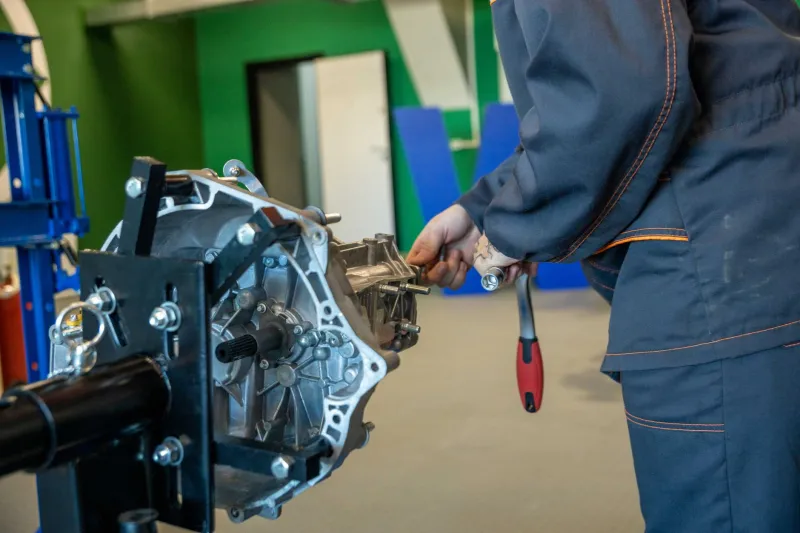
Somewhere in a garage in Lancashire, there's a buggy chassis sitting on axle stands that's been there for eight months. The builder — a joiner by trade, obsessive off-roader by weekend — has the cage tacked in, the suspension geometry mapped out, and a folder full of receipts for parts that still haven't arrived.
"I ordered a set of CV joints in February," he told us. "It's now October. I've had three delivery dates come and go. The supplier keeps apologising and I keep waiting."
He's not alone. Across the UK, off-road buggy builders and buyers are navigating a market that's been turned upside down by a combination of surging demand, fractured supply chains, and a used market that's taken on a life of its own. If you're trying to build or buy a buggy right now, you're operating in genuinely strange conditions.
So what's actually going on?
The Demand Side: Where Did All These Buyers Come From?
The growth in interest in off-road buggies and adventure vehicles over the past three to four years hasn't been subtle. Social media has played a significant role — builds documented on TikTok and Instagram have brought the hobby to audiences who'd never previously considered it, and a wave of people who spent lockdown rethinking their leisure time have arrived in the scene with money to spend and an appetite for something different.
Beyond the social media effect, there's a broader cultural shift at play. People are increasingly interested in outdoor pursuits, in physical experiences that feel genuinely removed from the screen-heavy nature of modern work. Driving a buggy through a green lane in mid-Wales or across moorland in the Pennines scratches an itch that a gym membership simply cannot.
"We've seen a completely different demographic of customer over the last couple of years," says one supplier of off-road components who asked not to be named. "Younger buyers, people who've never been in the scene before, people who've come from overlanding or mountain biking or motorcycling. It's brilliant for the community long-term, but it's put enormous pressure on stock levels."
Demand has outpaced supply at virtually every level of the market — from complete used vehicles to individual components, and the effects are being felt everywhere.
The Supply Chain Problem: It's Not Just One Thing
Anyone who's tried to source parts for a buggy build in the last two years will have noticed that the experience has become considerably more frustrating. Lead times that used to be measured in days are now measured in months. Prices that seemed reasonable in 2021 look almost quaint compared to what the same components cost today.
The causes are multiple and overlapping. Post-Brexit import arrangements have added friction and cost to sourcing components from Europe, particularly for specialist items that UK suppliers have traditionally imported from German, French, and Spanish manufacturers. Shipping costs from North America — where a significant proportion of high-quality buggy components originate — remain elevated compared to pre-pandemic baselines.
Raw material costs have also played a part. Steel prices surged dramatically during 2021 and 2022, and while they've moderated somewhat since, they haven't returned to the levels that fabricators were budgeting against when they started planning their builds.
"I quoted a client for a chassis build in early 2022 and by the time I actually got started the steel alone had cost me an extra four hundred quid," says a fabricator based in the West Midlands who's been building custom buggies for over fifteen years. "That's before we even get into the component delays. It's been a really difficult environment to run a small operation in."
The Used Market: A Seller's Paradise, a Buyer's Headache
If the new build market is complicated, the used market has become something else entirely. Prices for quality second-hand buggies have risen sharply, and some sellers are taking advantage of the conditions in ways that experienced buyers find frankly bewildering.
A quick look at current listings across the major UK platforms reveals machines that would have sold for three to four thousand pounds a few years ago now being advertised at double that figure, sometimes with minimal justification. The combination of high demand and low supply has, predictably, pushed values upward — and the arrival of newer buyers who don't have a strong reference point for what things should cost has helped sustain those inflated prices.
"I've seen stuff listed that I personally know the history of," says one long-standing community member from Yorkshire. "Machines that have had significant issues, that have been repaired, that any experienced buyer would look at sceptically. And they're selling. Because there are people in the market now who just want a buggy and don't know what questions to ask."
For experienced buyers, the advice is consistent: take your time, ask for full service and build history, get a second opinion from someone who knows the type of vehicle you're looking at, and don't let the fear of missing out push you into a purchase you'll regret.
What the Experts Are Saying About Where This Goes
The big question, of course, is whether the current conditions are a temporary disruption or a new normal. Opinions vary.
Optimists in the supply chain point to signs that import friction is gradually easing as post-Brexit arrangements become more established, and that steel prices have begun to stabilise. Some suppliers report that lead times for certain components have improved over the past six months.
Others are less certain. "Demand hasn't really softened," says the component supplier we spoke to earlier. "There are still more people trying to build buggies than there are parts available to build them with. Until that changes, prices will stay where they are."
For the long-term health of the scene, the hope is that the current boom translates into a more sustainable, larger community rather than a speculative bubble that eventually deflates and leaves a lot of overpriced, under-maintained machines in its wake.
Practical Advice for Buyers and Builders Right Now
If you're in the market — whether you're building from scratch or hunting for something ready to drive — here's what experienced hands are recommending in the current climate.
For builders: Plan your parts list further in advance than you think you need to. Order critical components early, even if your build timeline means you won't need them for months. Flexibility on specifications can also help — being willing to accept an alternative component rather than waiting indefinitely for a specific part can save significant time.
For used buyers: Do your homework. The inflated market means there's less room for error than there used to be. A bad purchase at today's prices is a more painful experience than it would have been three years ago. Lean on the community — post in forums, ask in clubs, get eyes on a machine before you commit.
For everyone: Be patient. The conditions are frustrating, but the scene is fundamentally healthy and growing. The wait is real, but so is the reward at the other end of it.