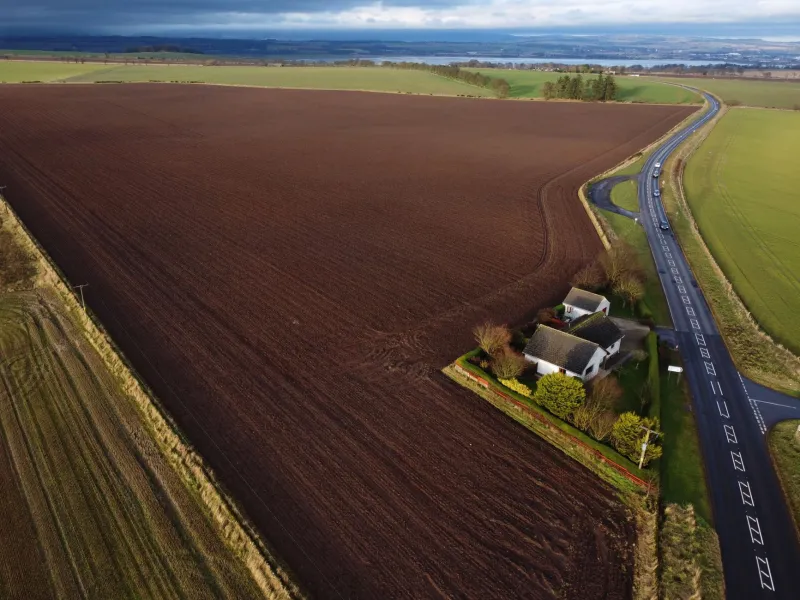
Freeze Frame: Why Smart Off-Roaders Hunt Mud When Others Hibernate
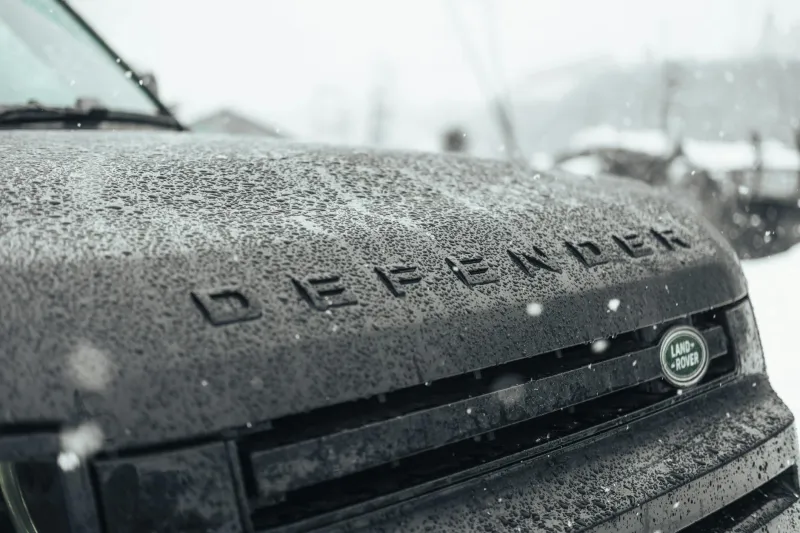
The Great Winter Revelation
Most people think off-roading season ends when the clocks go back. They're missing the point entirely. Winter in Britain transforms the landscape into something altogether more dramatic, more challenging, and infinitely more rewarding for those with the stones to venture out when sensible people are hibernating indoors.
While summer brings crowds, queues, and overheated engines struggling through dust-caked air filters, winter delivers something precious: solitude. The trails that groaned under convoy traffic in July become your private kingdom in January. It's just you, your machine, and Mother Nature showing off her most brutal choreography.
Take it from someone who's spent fifteen winters chasing frozen ruts across the Pennines: this is when off-roading stops being a hobby and becomes a proper adventure.
The Physics of Frozen Fun
Winter fundamentally changes how your buggy interacts with the terrain. Those boggy sections that swallowed axles in autumn become rock-hard highways when properly frozen. Muddy climbs that defeated you in summer suddenly offer grip levels that would make a rally driver weep with joy.
The science is simple but the effects are transformative. When ground water freezes, it creates a natural reinforcement structure that can support weights impossible during the soggy months. That moorland track that was impassable in November becomes a superhighway in February – at least until the thaw sets in.
But it's not just about easier passage. Frozen ground offers feedback through your steering that summer drivers never experience. Every rut, every rock, every subtle gradient change telegraphs itself through the chassis with crystal clarity. You're not just driving; you're reading the landscape like braille.
Kit That Conquers Cold
Winter off-roading demands different thinking about mechanical preparation. Your summer setup might purr like a kitten in August, but January will expose every weakness in your build.
Battery performance drops dramatically in cold weather. That starter motor that spins happily at 20°C becomes sluggish at -5°C and practically sulks at -15°C. Smart winter warriors run larger capacity batteries or dual-battery setups. The extra weight is nothing compared to the embarrassment of being stranded because your battery gave up.
Coolant becomes critical in ways summer drivers never consider. Not just antifreeze protection, but proper heat management. Engines running too cool in winter conditions struggle with fuel efficiency and can suffer from incomplete combustion. Thermostats designed for summer running often need upgrading for proper winter operation.
Tyre choice separates the tourists from the locals. Summer rubber hardens to plastic consistency in proper cold, losing grip on frozen surfaces. Winter compounds maintain flexibility, while proper aggressive treads bite into ice and frozen mud. Some veterans swear by studded tyres for the most challenging conditions, though they're overkill for most UK terrain.
Regional Winter Kingdoms
Scotland's Highlands become otherworldly in winter. The same tracks that challenge experienced drivers in summer transform into something from another planet when snow and ice take hold. The A82 corridor offers access to winter wonderlands that would cost thousands to experience in Alpine resorts.
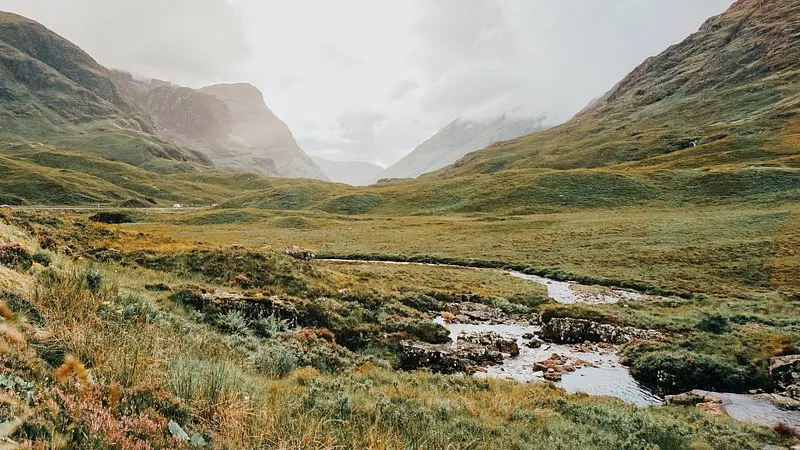 Photo: Scotland's Highlands, via images.rawpixel.com
The Brecon Beacons deliver different thrills entirely. Winter fog rolling across the mountains creates visibility challenges that test navigation skills while frozen streams offer water crossings impossible during summer spates. The terrain here rewards technical driving over raw power.
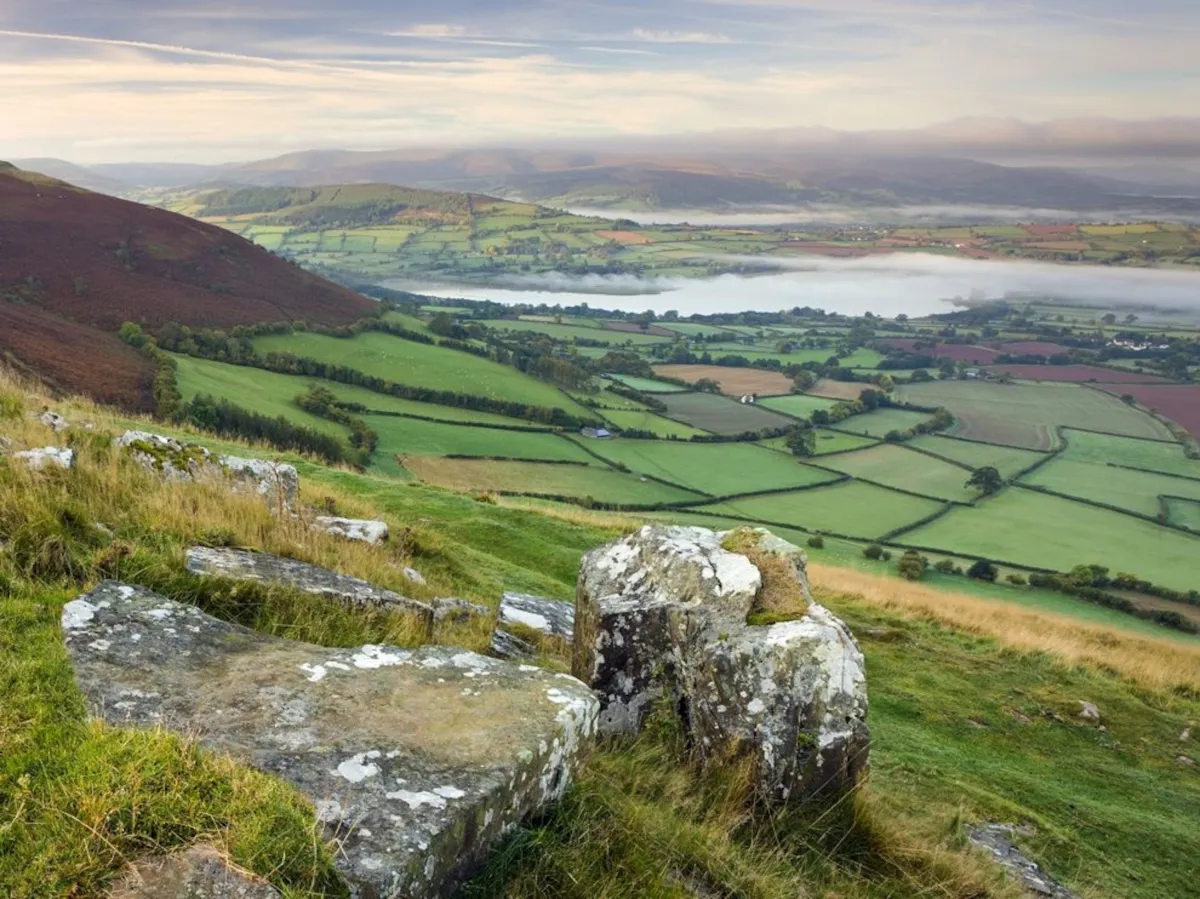 Photo: Brecon Beacons, via i.natgeofe.com
Northern England's industrial heritage creates unique winter opportunities. Abandoned quarries become natural amphitheatres for winter driving, while disused railway embankments offer gradient challenges that summer vegetation normally conceals.
Even southern England surprises winter explorers. The North and South Downs transform completely under frost, offering ridge-running opportunities with views that stretch for miles across frozen countryside.
The Dawn Patrol Philosophy
Winter days are short, which focuses the mind wonderfully. No time for faffing about with endless convoy briefings or tea breaks every half hour. You launch at first light, drive hard while conditions hold, and extract before darkness complicates everything.
This urgency creates a different rhythm to winter off-roading. Every hour counts, every decision matters more, and mechanical problems become genuine emergencies rather than mild inconveniences. It's off-roading with the safety net removed, and that edge makes everything more vivid.
The rewards match the risks. Winter light in Britain creates photographic opportunities impossible during other seasons. Low sun angles transform ordinary landscapes into dramatic vistas, while frost and ice add textures that summer never delivers.
Safety Without Paranoia
Winter off-roading demands respect, not fear. The difference between adventure and disaster often comes down to preparation and conservative decision-making.
Communication becomes vital when mobile signals disappear in remote winter locations. Satellite communicators or PLBs (Personal Locator Beacons) stop being toys and become essential safety equipment. The mountain rescue services are busy enough without preventable call-outs.
Weather monitoring needs to become obsessive. Winter conditions can change from benign to dangerous within hours. That pleasant frost that made morning driving so crisp can become a death trap when afternoon thaw creates ice over running water.
Group travel makes sense in winter conditions, but groups need to be smaller and more experienced than summer expeditions. Three or four vehicles maximum, all with drivers who understand winter driving principles. Larger groups become unwieldy when conditions deteriorate.
The Winter Warriors
Speak to anyone who's made winter their specialty and you'll hear the same themes: clarity, focus, and a connection to the landscape that summer driving rarely delivers.
Mark Stevens from the Peak District Winter Drivers puts it perfectly: "Summer off-roading is like playing a video game on easy mode. Winter is when the real game begins. Every sense is heightened, every decision matters, and when you get it right, the feeling is incomparable."
The community of dedicated winter drivers is smaller but tighter than the fair-weather crowd. They share information more freely, help more readily, and understand that winter doesn't forgive mistakes the way summer sometimes does.
Embrace the Freeze
Winter off-roading isn't for everyone, and that's exactly what makes it special. While others scroll through social media dreaming of next summer's adventures, winter warriors are out there creating memories that will last forever.
The trails are empty, the landscapes are transformed, and your buggy becomes a time machine that transports you to a version of Britain that most people never see. It's cold, it's challenging, and it's absolutely addictive.
So while everyone else is planning their summer modifications and counting down to warmer weather, maybe it's time to consider a different approach. Embrace the freeze, respect the conditions, and discover why Britain's most dedicated off-roaders consider winter the best-kept secret in the sport.
After all, anyone can drive when the weather's perfect. Real character emerges when the temperature drops and the crowds disappear.