Hauling Heavy: The Art of Getting Your Buggy from A to Beast
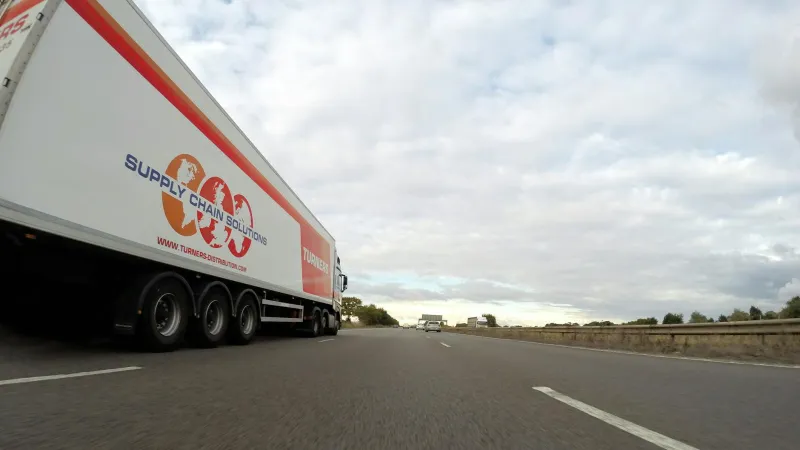
The Great British Trailer Tango
There's nothing quite like the sinking feeling of watching your freshly built buggy disappear into a ditch because you skimped on trailer prep. Ask any veteran of the British off-road scene and they'll tell you: getting there is half the battle, and sometimes the hardest part.
The UK's network of motorways, A-roads, and frankly terrifying country lanes presents a unique challenge for anyone trying to haul serious metal to remote locations. Unlike our continental cousins with their sensible straight roads, we're dealing with medieval cart tracks that somehow became the M25, roundabouts that defy physics, and weight limits that change faster than British weather.
Know Your Numbers (Before the Plod Do)
First things first: the legal stuff that'll save you from a very expensive conversation with the authorities. Your standard car licence (Category B) allows you to tow up to 3,500kg total train weight – that's your car, trailer, and buggy combined. Sounds generous until you realise that a decent twin-axle trailer weighs 750kg empty, your average side-by-side tips the scales at 800kg, and your Discovery isn't exactly a featherweight.
Most seasoned haulers swear by the 85% rule: keep your trailer weight to 85% of your towing vehicle's kerb weight. It's not law, but it's physics, and physics always wins on the M6 when the wind picks up.
Brian 'Trailer' Thompson, who's been hauling buggies from his Gloucestershire base to Scottish Highlands for two decades, puts it bluntly: "I've seen too many cocky drivers overtaken by their own trailers. Respect the weight, or it'll teach you respect the hard way."
 Photo: Scottish Highlands, via anywhereweroam.com
Trailer Tech That Actually Works
Forget the bargain-basement trailers from Facebook Marketplace. When you're hauling a machine worth more than most people's cars, invest in kit that won't leave you stranded in a Tesco car park at midnight.
Twin-axle trailers with independent suspension are the gold standard for anything serious. Yes, they're heavier and more expensive, but they track better at motorway speeds and won't bounce your precious cargo into scrap metal over Britain's crater-riddled roads.
Electric brakes are non-negotiable for anything over 750kg. Override brakes are fine for moving garden sheds, but when you're descending the A82 with a tonne of steel behind you, you want proper stopping power that responds to your foot, not just panic.
The Overnight Strategy
Here's where it gets properly British: finding somewhere to park a 15-metre combination without blocking someone's driveway or attracting unwanted attention. Motorway services are obvious but expensive – expect £25-30 for overnight parking, and that's assuming they have spaces long enough.
Seasoned haulers have their secret networks: industrial estates that don't mind overnight parking, 24-hour supermarkets with accommodating managers, and the holy grail – truck stops that welcome smaller rigs. The key is asking permission, not forgiveness.
Jamie Morrison, who runs weekend transport services for the Scottish off-road community, shares his wisdom: "I've got a list of friendly spots from Carlisle to Inverness. Build relationships, buy coffee for the night security, and always leave the place cleaner than you found it."
Route Planning Like a Pro
Satnav systems lie. That's the first rule of trailer navigation in Britain. Your GPS thinks you can squeeze a 12-foot-wide combination through the same gap as a family hatchback, and it's wrong.
Professional truckers use different route planning, and so should you. Avoid town centres like the plague – those medieval streets weren't designed for anything bigger than a horse and cart. Stick to A-roads where possible, and always have a backup route planned.
The AA and RAC both offer truck-specific routing services that factor in height and weight restrictions. It's worth the subscription when you consider the alternative is explaining to your insurance company why your buggy is currently decorating a 15th-century bridge.
Motorway Etiquette and Survival
The left lane is your home. Accept it, embrace it, love it. That BMW driver flashing his lights because you're only doing 60mph can wait. You're not just carrying cargo; you're managing physics, and physics doesn't care about his meeting.
Maintain proper following distances – at least double what you'd use in a car. Your stopping distance just quadrupled, and the numpty in the Corsa who just cut you up hasn't done the maths.
Use your mirrors obsessively. Every few seconds, check what's behind you, what's beside you, and whether your trailer is still following in a straight line. Develop the paranoia of a professional driver – it's what keeps you alive.
When It All Goes Wrong
Because it will. Tyres blow, trailers snake, and Murphy's Law states that mechanical failures happen in the worst possible locations. The M25 in rush hour, torrential rain on the A9, or that one stretch of the M6 where mobile signal goes to die.
Carry proper breakdown cover that includes trailer recovery. Standard AA or RAC won't cut it when you need a specialist recovery truck that can handle your combination. Commercial breakdown cover costs more but saves thousands when you need it.
Keep a basic toolkit: wheel brace, jack rated for your trailer weight, spare wheel (properly inflated), and emergency triangles. Know how to change a trailer wheel safely – it's not the same as changing a car tyre, and the traffic thundering past at 70mph doesn't make it any easier.
The Unwritten Rules
Be courteous to other road users. Signal early, pull over when safe to let faster traffic pass, and wave thank you when someone gives you space. The off-road community is small, and reputation matters.
At services, park considerately. Don't take up four spaces because you can't be bothered to unhitch. Other trailer drivers will remember, and word gets around.
Finally, enjoy the journey. Yes, towing is stressful, expensive, and occasionally terrifying, but it's also the gateway to adventures that would be impossible otherwise. Every mile towed is a mile closer to the kind of driving that makes it all worthwhile.
The best trails in Britain are rarely accessible by public transport. Master the art of getting your buggy there safely, and the entire kingdom becomes your playground.


