Fuel for the Fire: A Proper British Guide to Eating Well When You're Miles from Anywhere
The Great British Trail Food Reality Check
Let's be honest about trail food. Despite what the outdoor magazines want you to believe, you're not going to be rustling up gourmet meals over a campfire after spending eight hours bouncing through bog holes in Snowdonia. You'll be knackered, probably wet, and desperately in need of calories that don't require a degree in bushcraft to prepare.
The truth is, the best trail food for British off-roaders comes from the same place as everything else: the local supermarket. Forget the £12 freeze-dried risottos and artisanal camping gear. What you need is maximum nutrition, minimum preparation time, and the ability to eat it one-handed while trying to work out why your diff is making that grinding noise.
"I've seen people bring full camping kitchens on a two-day trail run," laughs Pete Hargreaves, who's been organising multi-day off-road expeditions across Wales for over a decade. "Meanwhile, I'm having a perfectly good time with a bag of Haribo and a service station sandwich. It's about fuel, not fine dining."
Pete's approach might sound cavalier, but there's proper science behind keeping trail food simple. When you're burning 4,000-plus calories a day wrestling a buggy through challenging terrain, your body needs quick energy more than it needs Instagram-worthy presentation.
The Compact Kitchen Philosophy
Space is the enemy in any off-road vehicle. Every cubic inch matters when you're trying to fit tools, spare parts, recovery gear, and enough food for a multi-day expedition into a machine designed primarily for going fast over rough ground. This is where the compact kitchen philosophy comes in: maximum cooking capability in minimum space.
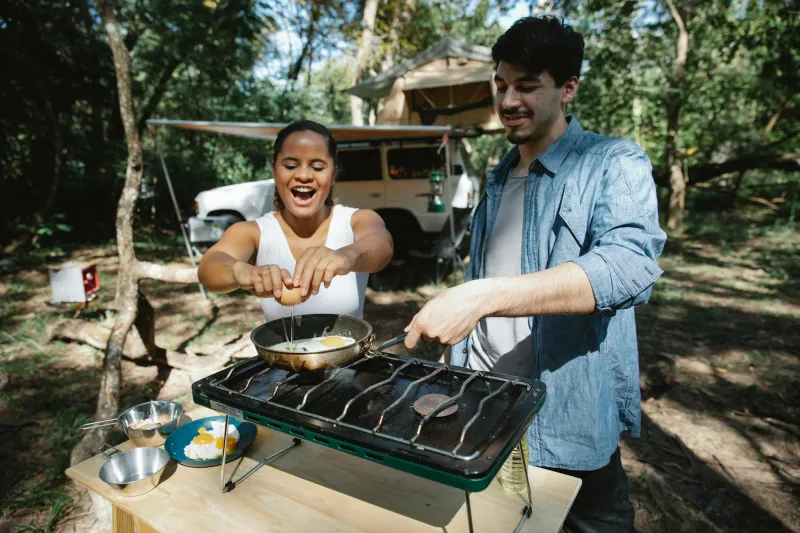
Start with a single-burner gas stove that packs down smaller than a paperback book. The Jetboil-style integrated systems are brilliant for boiling water quickly, but they're one-trick ponies. A basic gas burner with a proper pan gives you versatility without taking up much more space.
Your cooking pot should double as your eating bowl and storage container. A lightweight titanium number with a lid can hold your food supplies when you're driving and cook your meals when you stop. Forget multiple pots and pans – one good vessel handles everything from boiling pasta to frying bacon.
The key is thinking like a motorcyclist rather than a caravanner. Every item needs to justify its space by serving multiple purposes. Your spoon is also your stirring implement. Your mug is also your measuring cup. Your cooking pot is also your washing-up bowl.
Supermarket Strategies
The weekly shop becomes a tactical exercise when you're planning trail food. Head straight for the processed food aisles – this isn't the time for fresh ingredients and complex cooking. You want shelf-stable items that pack maximum calories into minimum space and require minimal preparation.
Pasta is the foundation of any sensible trail food strategy. It's cheap, calorie-dense, and virtually indestructible. Combine it with jar sauces, tinned tuna, or pre-cooked bacon for a hot meal that requires nothing more than boiling water. Couscous is even better – just add boiling water and wait five minutes.
Tinned fish becomes your protein workhorse. Mackerel fillets, salmon, sardines – all packed with calories and requiring zero preparation beyond opening the tin. They'll keep indefinitely and provide the fats and proteins your body craves after a hard day's driving.
For breakfast, nothing beats porridge oats mixed with powdered milk and honey. It's warming, filling, and provides sustained energy for the day ahead. Add some dried fruit or nuts for extra calories and flavour. Avoid the fancy instant porridge sachets – they're expensive and take up unnecessary space.
The Service Station Salvation
Britain's motorway services get a lot of stick, but they're actually brilliant resources for the strategic off-roader. Those overpriced sandwiches and pastries start looking like bargains when you're halfway up a Welsh mountain with nothing but energy bars for sustenance.
The key is understanding the service station ecosystem. Ginsters pasties might be the butt of countless jokes, but they're actually perfectly engineered trail food – high calories, long shelf life, edible at any temperature, and wrapped in pastry that doubles as a plate. The same goes for sausage rolls, pork pies, and scotch eggs.
"I've built entire expedition meal plans around what's available at Tebay services," admits trail veteran Jenny Morrison. "It sounds mental, but you can get proper Cumberland sausage, local cheese, and decent bread all in one stop. That's better than most expedition rations."
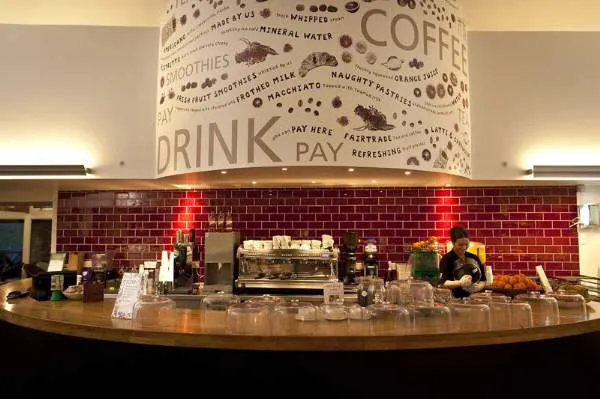 Photo: Tebay services, via www.visitcumbria.com
Jenny's approach highlights an important point: British service stations often showcase local specialities that you won't find in generic supermarkets. Cornish pasties in the southwest, haggis in Scotland, proper pork pies in Leicestershire. It's a chance to eat well while supporting local producers.
Cold Weather Considerations
Winter trail food requires different thinking. Your body burns more calories staying warm, and hot food becomes psychologically as well as nutritionally important. This is where a proper thermos flask earns its keep – fill it with hot soup, tea, or coffee before you set off, and you'll have something warming available all day.
Soup becomes your secret weapon in cold conditions. A decent flask will keep soup hot for eight hours, providing both hydration and calories when you need them most. Make it thick with added pasta or potatoes for maximum sustenance.
Chocolate consumption goes through the roof in winter conditions. Your body craves quick energy, and chocolate provides it along with a psychological boost that's hard to quantify but impossible to ignore. Stock up on proper chocolate bars rather than fancy trail mix – they're cheaper, more calorie-dense, and easier to eat with cold fingers.
The Multi-Day Strategy
Extended expeditions require more planning but the same basic principles apply. Focus on non-perishable ingredients that can be combined in different ways to provide variety without complexity. A base of pasta, rice, and couscous can be transformed with different sauces and proteins throughout the trip.
Plan your fresh ingredients carefully. Hard cheese keeps well and provides essential fats and proteins. Apples and oranges travel better than soft fruit and provide vitamins your body craves. Pre-cooked bacon lasts for days without refrigeration and adds flavour to everything from pasta to beans.
Water becomes critical on multi-day trips. Carry more than you think you'll need, and know where you can refill along your route. Purification tablets weigh nothing and provide insurance against dodgy water sources.
The Social Element
Trail food isn't just about nutrition – it's about community. Some of the best memories from off-road expeditions come from sharing meals around a tailgate or camp stove. This is where simple food shines: a pot of pasta with sauce can feed six hungry drivers more easily than individual gourmet meals.
Bring extra. There's an unwritten rule in the off-road community that you share food with anyone who needs it. That spare tin of beans or packet of biscuits might make the difference between a good trip and a great one for someone whose supplies got soaked or forgotten.
"The best trail food is whatever you're willing to share," observes veteran expedition leader Mark Stevens. "I've had amazing meals that were nothing more than beans on toast cooked by someone who cared enough to make sure everyone was fed. That beats any fancy camping meal you can buy."
The key to successful trail food isn't complexity or expense – it's understanding that eating well in the wilderness means choosing simplicity over sophistication, calories over creativity, and community over cuisine. Master that, and you'll never go hungry on the trail.