Breaking Barriers: How Britain's Adaptive Off-Road Pioneers Are Rewriting the Rulebook
The Quiet Revolution
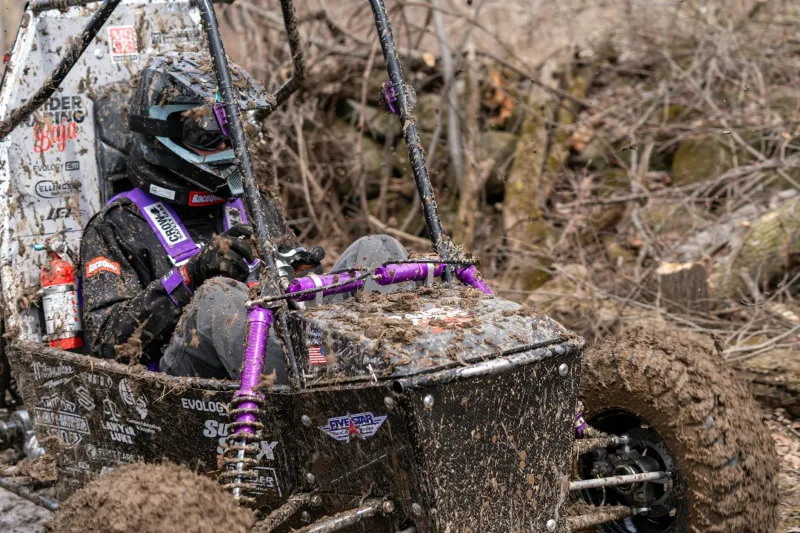
In a converted barn outside Melksham, Steve Harrison is putting the finishing touches to what might be the most important buggy built in Britain this year. From the outside, it looks like any other single-seat trail machine – aggressive stance, proper suspension, a roll cage that could stop a falling piano. But climb inside and the differences become obvious. Where most buggies have pedals, Steve's machine has hand controls. Where others have a conventional gear stick, his has a sequential paddle system operated by fingertips.
 Photo: Steve Harrison, via thirdlab.cs.vt.edu
Steve lost the use of his legs in a motorcycle accident fifteen years ago. Rather than accepting that his off-road days were over, he's spent the last decade developing adaptive systems that would make his machines accessible while maintaining their performance. His latest creation can tackle the same terrain as any conventional buggy, but it's operated entirely by hand.
"The engineering challenge was actually quite straightforward," Steve explains, demonstrating the hand-brake system that controls acceleration, braking, and clutch operation through a single lever. "The real barrier was convincing people it was worth doing. Too many assume that disabled means incapable."
Steve isn't alone. Across Britain, a growing community of disabled drivers and engineers are developing solutions that make serious off-road driving accessible to anyone with the determination to try. It's a movement that's happening largely under the radar, driven by individual passion rather than corporate backing.
Engineering Solutions
The technical challenges of adaptive off-road vehicles are significant but not insurmountable. Unlike road cars, where electronic aids can compensate for physical limitations, off-road machines demand direct mechanical connection between driver and machine. You need to feel what the wheels are doing, sense when the chassis is loading up, react instantly to changing terrain.
Mark Thompson, who runs Adaptive Motorsport Solutions from his workshop in Coventry, has been developing hand-control systems for competition vehicles since 2008. His clients include rally drivers, circuit racers, and increasingly, off-road enthusiasts who refuse to let physical disabilities end their motorsport careers.
 Photo: Mark Thompson, via barrettmedia.com
"The key is maintaining the feedback loop," Mark explains, showing off a hand-control system that uses hydraulic assistance to provide proper feel through the controls. "Electronic systems can make a car driveable, but they can't replicate the sensation of a wheel spinning or the chassis beginning to slide. That tactile feedback is what separates competent drivers from passengers."
Mark's systems use a combination of mechanical linkages and hydraulic assistance to translate hand movements into precise control of throttle, brake, and clutch. The setup allows disabled drivers to operate vehicles with the same precision as able-bodied competitors, without compromising the mechanical purity that makes off-road driving so engaging.
Purpose-Built Machines
While hand controls can adapt existing vehicles, some builders are going further and creating purpose-built machines designed from the ground up for disabled drivers. The Warrior Project, based in Dorset, builds single-seat buggies specifically for wounded veterans, using funding from military charities and corporate sponsors.
Each machine is custom-built to match the specific needs and abilities of its driver. Some use conventional hand controls, others employ joystick systems more familiar to wheelchair users. The most advanced machines feature semi-autonomous systems that can maintain stability and traction while the driver focuses on navigation and speed control.
"We're not building mobility aids," insists Project Warrior founder Dave Mitchell, himself a former Royal Marine who lost his right arm in Afghanistan. "These are proper competition machines that happen to be operated differently. The goal is to give our drivers the same adrenaline rush, the same sense of achievement, the same bragging rights as anyone else."
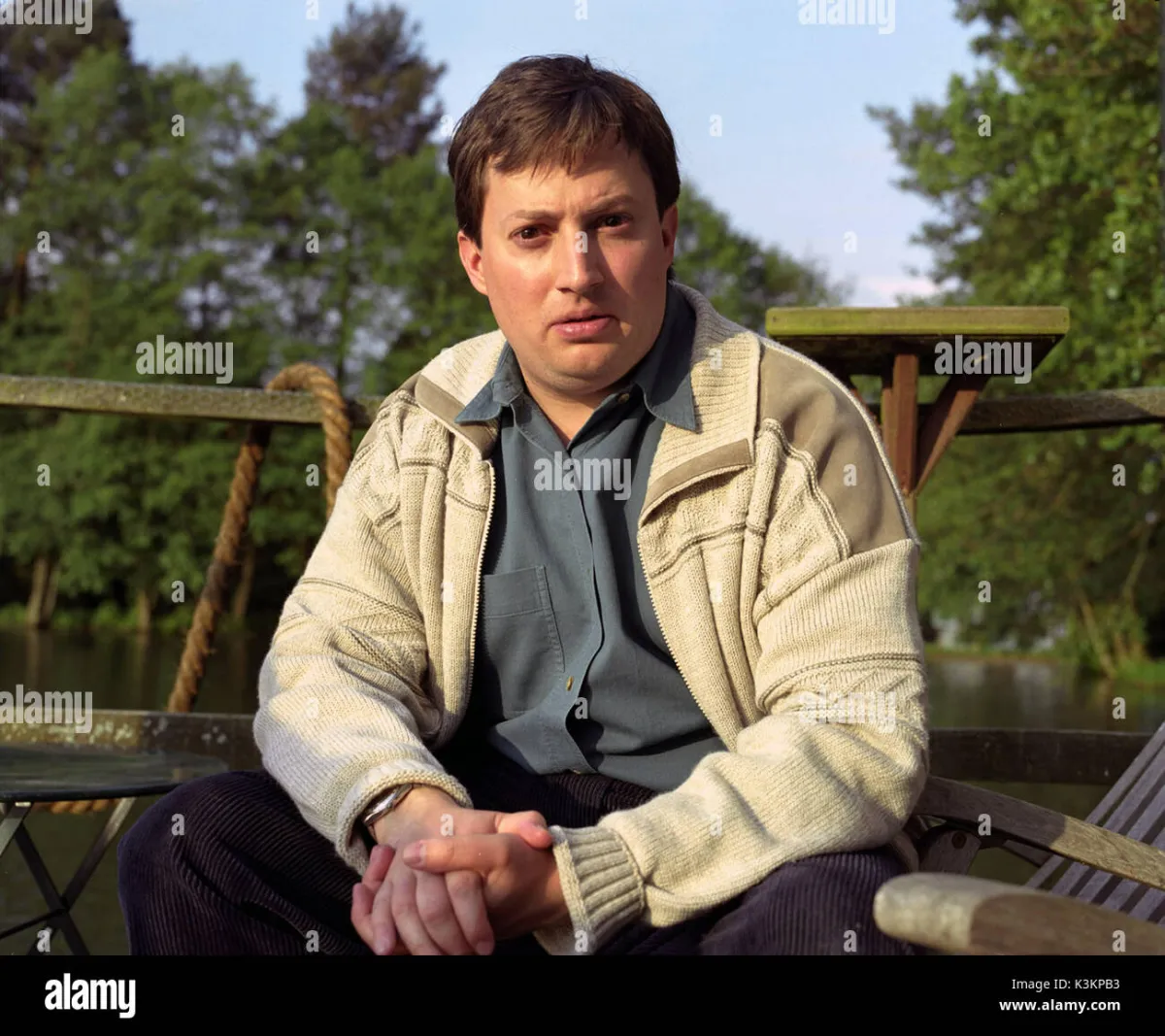 Photo: Dave Mitchell, via c8.alamy.com
The results speak for themselves. Project Warrior drivers regularly compete in mainstream off-road events, often finishing ahead of conventional machines. Their success is forcing the wider off-road community to reconsider assumptions about what's possible.
Breaking Down Barriers
Despite individual success stories, the adaptive off-road movement faces significant challenges. Many commercial off-road centres lack accessible facilities or insurance coverage for modified vehicles. Mainstream manufacturers show little interest in developing adaptive solutions for a market they perceive as too small to be profitable.
More frustrating is the attitude within parts of the off-road community itself. While most enthusiasts are welcoming and supportive, some still view adaptive vehicles with suspicion or condescension. The assumption that disabled drivers are somehow getting an unfair advantage persists, despite clear evidence to the contrary.
"I've had people suggest my hand controls give me an advantage because I don't have to coordinate between hands and feet," laughs Sarah Collins, who competes in trials events across the southeast. "Clearly, they've never tried operating throttle, brake, and clutch simultaneously with one hand while wrestling a steering wheel with the other."
Sarah lost both legs below the knee in a climbing accident but discovered off-road driving during her rehabilitation. She now runs a small business converting buggies and trials cars for disabled drivers, combining her engineering background with hard-won practical experience.
The Support Network
One of the most encouraging developments has been the emergence of dedicated clubs and support networks for adaptive off-road drivers. The British Adaptive Motorsport Association provides technical advice, insurance guidance, and most importantly, a community of like-minded enthusiasts who understand the unique challenges involved.
Clubs like the Hampshire Adaptive Off-Road Group organise regular events specifically designed for disabled drivers, from gentle green-lane tours to competitive trials. The emphasis is on inclusion and mutual support rather than charity or sympathy.
"We don't want special treatment," explains group organiser Tom Bradley. "We want the same opportunities to get muddy, break things, and argue about the best line through a section as everyone else. The disability is just another engineering challenge to overcome."
Looking Forward
The adaptive off-road movement is reaching a critical mass where it can no longer be ignored by the mainstream industry. Major manufacturers are beginning to show interest, driven partly by corporate responsibility initiatives but increasingly by recognition of untapped market potential.
More importantly, the engineering solutions developed for adaptive vehicles are finding applications in mainstream off-road machines. Hand-control systems originally designed for disabled drivers are being adopted by able-bodied competitors who appreciate their precision and reliability.
The ultimate goal isn't separate competitions or special categories, but true integration where adaptive vehicles compete on equal terms with conventional machines. In many cases, that goal has already been achieved. The challenge now is expanding access and changing attitudes across the wider off-road community.
As Steve Harrison puts it: "We're not asking for sympathy or special treatment. We're asking for the chance to get properly stuck in the mud like everyone else. And maybe beat a few of them while we're at it."


