Beyond the Tow Rope: Britain's Quiet Recovery Specialists

Photo: Des Colhoun, CC BY-SA 2.0, via Wikimedia Commons
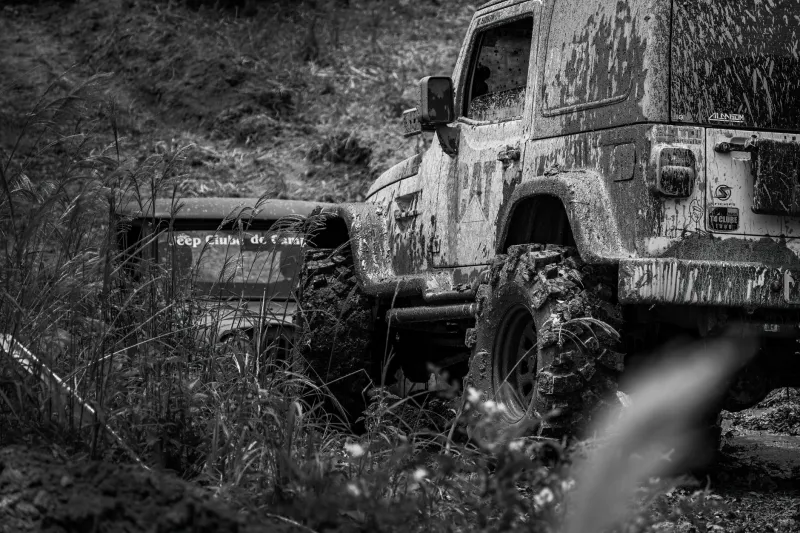
The message usually arrives with a photo. A buggy at a ridiculous angle. A wheel spinning in brown water. A driver grinning nervously beside a vehicle that is clearly not moving under its own power. Within minutes, the group chat has a plan. Someone knows someone with a winch. Someone else has a set of maxtrax. A third person is already asking which gate to use.
This is the recovery culture. It is not glamorous. It rarely makes headlines. But it is the safety net that holds British off-roading together.
The call-out
Recovery specialists are rarely professionals. They are club members, farmers, site owners, and experienced drivers who have spent enough time stuck to know how to get unstuck. They carry proper kit and, more importantly, they carry patience. The best of them do not arrive with a hero complex. They arrive with questions: What is the ground like? What is the tide doing? Is anyone hurt? What is the vehicle's recovery point situation?
That last question matters. A buggy with a homemade bumper and no rated recovery points is a liability. A winch line attached to a suspension arm is a projectile waiting to happen. The recovery specialist knows that the safest recovery is often the one that does not happen, because the driver was talked out of a bad line before they committed.
Recovery is a discipline, not a favour
There is an unspoken hierarchy on a British trail. The driver who is stuck is not in charge. The spotter is. The recovery lead is. If someone with more experience says stop, you stop. If they say get out of the vehicle, you get out. Ego is the most common cause of recovery injuries, followed closely by impatience.
The kit matters, but knowledge matters more. A kinetic rope used incorrectly can store enough energy to break bones. A winch line under load can snap. A hi-lift jack can bite. The experienced recoverer knows the limits of every piece of equipment and, crucially, knows when to walk away and call for a proper recovery truck.
The kit that actually earns its place
Most serious British off-roaders carry a few essentials: a proper recovery rope or kinetic strap, rated shackles, gloves, a tree saver, and a shovel. A winch is great, but it is not a substitute for judgement. Maxtrax or similar boards are worth their weight in a bog. A tyre deflator and a decent compressor can turn a stuck vehicle into a moving one without any rope at all.
What you will not find in a good recovery kit is a tow ball used as a recovery point. That is a classic British off-road mistake, and it is a dangerous one. Rated points, proper bridles, and a healthy respect for dynamic loads are what separate a controlled recovery from an incident report.
Etiquette: ask, listen, and never snatch
Recovery etiquette is simple but often ignored. Ask before you attach anything to someone else's vehicle. Listen to the spotter. Do not snatch unless everyone involved understands what is about to happen. Keep bystanders clear. Never stand in the line of a rope or winch cable. And if you are the one who is stuck, do not keep your foot buried in the throttle while someone is trying to help. That is how you make a bad situation worse.
There is also a quieter etiquette around private land. If a recovery takes you through a farmer's field or down a track that is not a public right of way, you ask permission, you close gates, and you leave no mess. The recovery community depends on goodwill. It does not take much to burn it.
Safety lessons from the bog
The most important lesson is that recovery is not a race. The second is that the ground is often the real problem. A vehicle stuck in deep mud may need to be pulled backwards, sideways, or dug out before it moves at all. A winch pulling straight ahead can simply bury it deeper.
The third lesson is communication. A recovery with two people and no agreed plan is more dangerous than a recovery with five people and a clear leader. Hand signals, radio, and a shared understanding of the next move are worth more than another 5000lb of pulling power.
The community
Britain's recovery culture is not a club you join. It is a reputation you earn. The people who turn out on a Sunday morning to pull a stranger out of a bog are the same people who organise green lane runs, mentor new builders, and quietly maintain the access that keeps the whole scene alive. They are not in it for the glory. They are in it because they have been stuck themselves, and someone once came for them.
If you own a buggy, learn the basics before you need them. Take a recovery course. Practise with your kit in a safe place. And when someone calls, answer if you can. That is how the culture survives.