Water, Nerve, and Horsepower: Britain's Most Legendary Ford Crossings
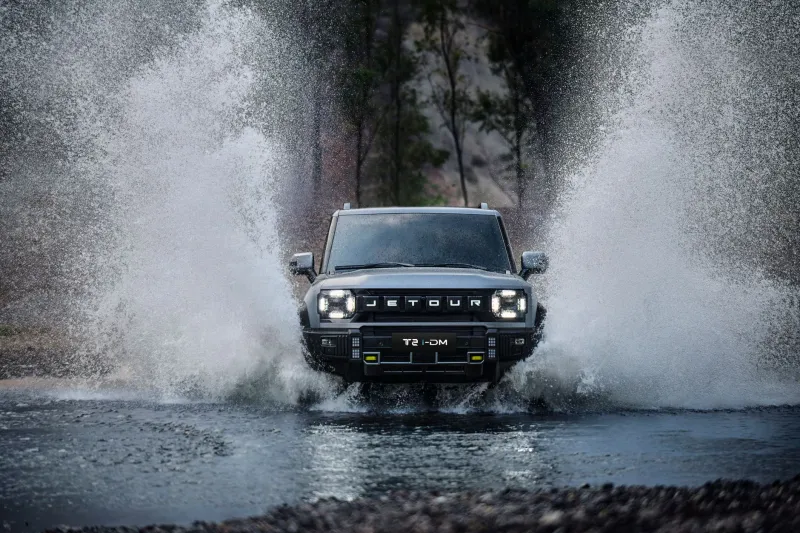
There's a moment, just before you commit to a serious water crossing, where everything goes quiet. The engine idles. The water moves. You do the mental arithmetic — depth, current, your air intake height — and then you either go or you don't.
For a particular type of British off-roader, that moment is the point. It's what they came for.
Water crossings occupy a unique place in the culture of UK off-roading. They're unpredictable in a way that rocky trails or muddy ruts simply aren't. A ford that was knee-deep last month can be axle-deep today. A crossing that locals have used for decades can become genuinely dangerous after sustained rainfall. And unlike most off-road challenges, getting it wrong in water carries consequences that go well beyond a stuck vehicle.
But the crossings that have become legendary in British off-road circles aren't famous because they're suicidal. They're famous because they're genuinely difficult, genuinely rewarding, and — approached with the right preparation — genuinely achievable.
Why Water Is the Ultimate Test
Most off-road challenges punish the vehicle. Water punishes the vehicle and the driver simultaneously.
A rocky climb demands suspension travel and approach angle. A muddy rut requires traction management and momentum. A serious water crossing demands both of those things plus accurate depth assessment, understanding of current dynamics, the right entry and exit lines, and an intimate knowledge of where your air intake, diff breathers, and electrics actually sit.
It also demands timing. Many of Britain's most celebrated crossings are seasonal. Too much water and they become impossible — or actively dangerous. Too little and the challenge disappears entirely. The window when conditions are right can be surprisingly narrow.
Hardknott and Wrynose: The Lake District's Wet Gauntlet
The passes themselves are famous enough — some of the steepest tarmac roads in England. But the green lanes and byways that thread around and between them include several water crossings that have humbled experienced drivers.
The becks that cross these routes are fed by high fells and respond rapidly to rainfall. After a wet spell — which in the Lake District means most of the year — what looks like a gentle stream can be running fast and deep enough to push a vehicle sideways.
"The bottom condition is the real issue up there," explains Phil Garner, a Lakes-based guide who runs off-road experiences across Cumbria. "You can't always see what you're putting your tyres on. Loose slate, rounded stones — it moves under you. You need slow speed, good momentum management, and you need to have walked it first."
The seasonal window for the more serious crossings in this area is late spring and early autumn — after the snowmelt has settled but before the autumn rains push levels up again.
The Dartmoor Fords: Ancient Routes, Modern Challenges
Dartmoor has been crossed by working tracks for centuries, and many of those tracks still cross the moor's rivers at ancient fording points. Several of these are now accessible via the moor's network of byways, and they've developed a reputation among southern England's off-road community.
The River Dart and its tributaries offer multiple crossing points of varying difficulty. Some are wide and shallow — more confidence-builder than challenge. Others, particularly after extended rainfall, present genuine obstacles.
What makes Dartmoor crossings particularly interesting is the combination of factors at play. Granite riverbed provides good grip but can be uneven. Water clarity is often good, making depth assessment easier than in murkier upland rivers. But the moor's weather can change with startling speed, and a crossing that was fine on the way out can be transformed by a few hours of heavy rain.
Sarah Connolly, who's been running a Dartmoor-based off-road club for eight years, is emphatic about preparation. "We always walk the crossing before we drive it. Always. And we have a recovery plan before anyone goes in. The moor looks forgiving until it isn't."
The Welsh Borders: The Fords That Made Reputations
The green lanes of the Welsh Marches — the borderland between England and Wales — are some of the most varied and interesting off-road driving in Britain. And threading through them are a number of river crossings that have become genuinely storied.
The River Lugg, the Teme, and their many tributaries cross several byways in this area. Some crossings here are wide and seasonal — passable in summer, inaccessible in winter. Others are year-round fords used by local farmers and accessible to registered byway users.
The reputation of the Welsh Borders fords rests partly on their unpredictability. The underlying geology shifts from sandstone to limestone to clay across relatively short distances, meaning bottom conditions vary significantly even between nearby crossings. A route that's solid and grippy in one section can become soft and treacherous a kilometre further on.
"I've seen experienced drivers get caught out here," says Mark Telford, who's been driving the Marches lanes for over two decades. "Not because they were careless, but because the river bottom wasn't what it looked like from the bank. You have to respect the water, full stop."
The Scottish Highlands: Where Crossings Become Expeditions
In the Highlands, water crossings stop being a feature of a route and start being the route itself. Many of the most remote tracks in Scotland — the kind of terrain that serious overlanders travel hundreds of miles to reach — involve multiple river crossings across terrain where recovery assistance is a very long way away.
The rivers of Sutherland, Ross-shire, and the far northwest are clean, cold, fast-moving, and deep in ways that genuinely surprise drivers used to more southerly conditions. Snowmelt from the Cairngorms and the northern mountains feeds these rivers well into early summer. Water temperatures are low enough to cause cold shock if you're wading to check depth.
The payoff, for those who prepare properly and choose their timing carefully, is some of the most extraordinary off-road driving in Britain. Crossings that would be headline events in the south are simply part of the journey here.
The Rules That Keep You Safe
Every driver who's put serious miles into water crossings in Britain lands on the same fundamentals. Walk it before you drive it — every time, even if you've done it before. Know your vehicle's wading depth and stay inside it with margin to spare. Have a recovery anchor point identified before you enter. Travel with at least one other vehicle. Tell someone where you're going and when you expect to be back.
And understand that turning back is not failure. The crossing will still be there. The question is whether you will be.
"The best off-roaders I've ever driven with are the ones who know when not to go," says Phil Garner. "That judgment is what separates the experienced from the reckless. And it's what keeps the routes open, because serious incidents attract attention that closes access for everyone."
Britain's legendary water crossings are out there. They reward preparation, patience, and respect. Go find them — just go ready.