Compound Interest: Why Your Tyre Choice Is Winning or Losing You Britain's Toughest Terrain
There's a moment every off-roader in Britain eventually lives through. You're watching someone else sail through a section you just spun out on — same vehicle, roughly the same power, similar setup. The difference? You look down. Their tyres are different to yours. And suddenly the penny drops.
Tyre compound isn't the sexiest topic in the off-road world. It doesn't have the visual drama of a lift kit or the conversation-starting appeal of a custom roll cage. But talk to anyone who's been doing this seriously for more than a season, and they'll tell you the same thing: rubber choice is everything. Especially in Britain, where the terrain shifts from sodden peat bog to sharp slate scree within a single day's drive.
What 'Compound' Actually Means (And Why It Matters More Than Tread Pattern)
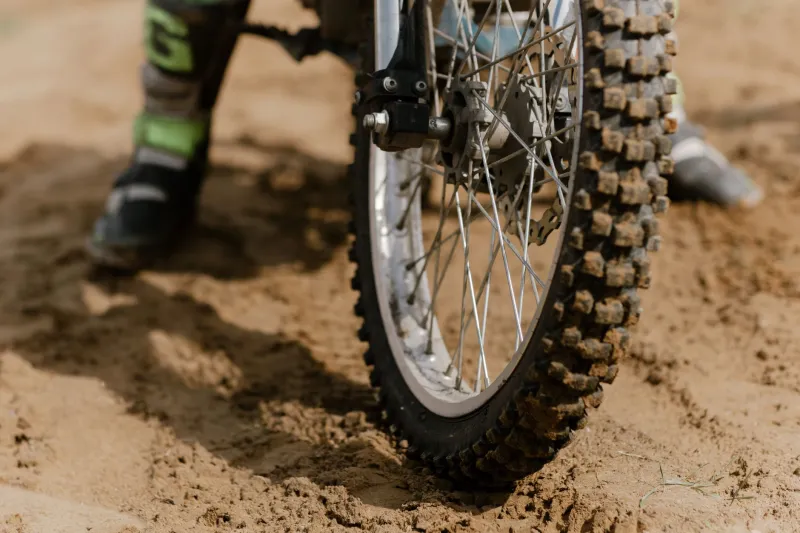
Most people fixate on tread pattern — the aggressive chevrons and lugs that look tough in the car park. Fair enough. Pattern matters. But compound — the actual chemical makeup of the rubber itself — determines how that tread behaves under load, in cold temperatures, and across different surface types.
A softer compound grips better over rocks and roots because it deforms slightly around the surface, increasing the contact patch. A harder compound resists wear better on gravel and harder surfaces but can feel almost glass-like on cold, wet Welsh slate. The temperature sensitivity is particularly relevant in the UK, where even summer mornings in Scotland can see ground temperatures sitting close to zero.
"Most people come in asking for the most aggressive tread they can find," says Callum Breckenridge, a suspension and tyre specialist based outside Inverness who's been fitting off-road rubber for over 15 years. "I spend half my time explaining that the pattern is only part of the story. A soft compound with a moderate tread will outperform a hard compound with a massive mud-terrain pattern in most Scottish conditions, most of the time."
Britain's Terrain Problem
Here's the awkward truth about off-roading in the UK: we don't have one terrain. We have dozens, often stacked on top of each other.
The moorlands of Dartmoor and the Peak District offer deep, clinging peat mud that'll swallow a hard compound tyre whole. Welsh slate quarry trails demand something that grips angular, slippery stone without shredding itself to pieces on the edges. The green lanes of the Midlands and the South can go from dry chalk to waterlogged clay within a few miles, depending on what the weather's been doing for the past fortnight.
Scottish terrain is arguably the most demanding of all — a rotating menu of exposed rock, heather-covered bog, loose shale, and river crossings that test every aspect of a tyre's performance simultaneously.
The practical upshot is that there's no single magic compound that nails all of it. What there is, though, is a smarter way of thinking about the problem.
The Seasonal Logic
The most experienced British off-roaders tend to run two or three tyre setups across the year, swapping between them as conditions change. It sounds like a faff, but once you've done it a couple of seasons, it becomes second nature.
Autumn through to early spring is when softer compounds earn their keep. Ground temperatures drop, surfaces get saturated, and the grip window narrows. A softer compound stays more pliable in low temperatures — harder rubber can actually harden further in cold conditions, reducing the very grip you're relying on.
Late spring and summer open up more options. Harder-wearing compounds make more sense on the drier, firmer tracks that become accessible when the ground dries out. You'll sacrifice some ultimate grip, but you'll get longevity and better road manners on the drive between trails.
"I always tell people to think about what they're actually driving to get to the off-road bit," says Breckenridge. "If you're covering 60 miles of A-road to get to the green lane, a pure soft compound is going to feel squirmy and wear unevenly on tarmac. There's always a compromise, and the best tyre is the one that fits your actual day."
Reading the Reviews vs Reading the Ground
Online tyre forums are brilliant for getting the general picture, but they can also lead you down a rabbit hole of brand loyalty that doesn't always translate to British conditions. A lot of the most popular off-road tyre reviews come from the American market, where the terrain — and crucially, the temperatures — are completely different.
US desert conditions reward different compounds to Scottish autumn moorland. A tyre that dominates Moab might be mediocre on a wet Brecon Beacons green lane in October. Worth keeping that in mind when you're reading the enthusiast boards.
The more useful intelligence comes from people running the same routes you're planning. Local off-road clubs are genuinely invaluable here — not just for route knowledge, but for the granular tyre feedback that only comes from running the same sections repeatedly across different seasons.
A Practical Framework for Choosing
If you're trying to cut through the noise and make a sensible decision, here's a rough framework that works for most UK scenarios:
Predominantly mud and peat (think Dartmoor, Peak District, most of Scotland): Prioritise a softer compound with aggressive self-cleaning lugs. You want the rubber to deform into the surface and the tread to eject material as the tyre rotates. A tyre that packs with mud becomes a slick.
Rocky and technical (Welsh quarry trails, Lake District scree): Look for something with a tougher sidewall and a compound that balances grip with cut resistance. Soft compounds can be vulnerable to sidewall damage on sharp slate edges. Some manufacturers offer reinforced sidewall options that split the difference well.
Mixed green lane use: A quality all-terrain with a medium compound is often the most honest answer here. You won't top the leaderboard in any single condition, but you'll be competent across all of them — which is actually what most British off-road days look like.
Year-round road driving with occasional off-road: Don't fight the physics. A harder compound all-terrain is a better fit for your actual life than a mud-terrain you're running mostly on tarmac.
The Bottom Line
Tyre compound isn't glamorous. It won't get you likes on Instagram and it's not much of a story at the pub. But out on the ground, in the mud, on the rock, it's the detail that consistently separates the people who drive through from the people who watch others drive through.
Britain's terrain is genuinely world-class in its variety and its challenge. The least you can do is put the right rubber underneath you before you go and meet it.