Sleep Rough, Sleep Smart: The British Off-Roaders Building Their Own Hardcore Overnight Kits

Photo by Photo by Arpita Ghosh on Unsplash on Unsplash
At some point in the last few years, a significant chunk of Britain's off-road community looked at their camping setup and decided it was embarrassing. The dome tent that rattled apart in a Brecon Beacons squall. The sleeping bag that wept condensation by midnight. The roll mat that offered all the comfort of sleeping on a motorway. Something had to give.
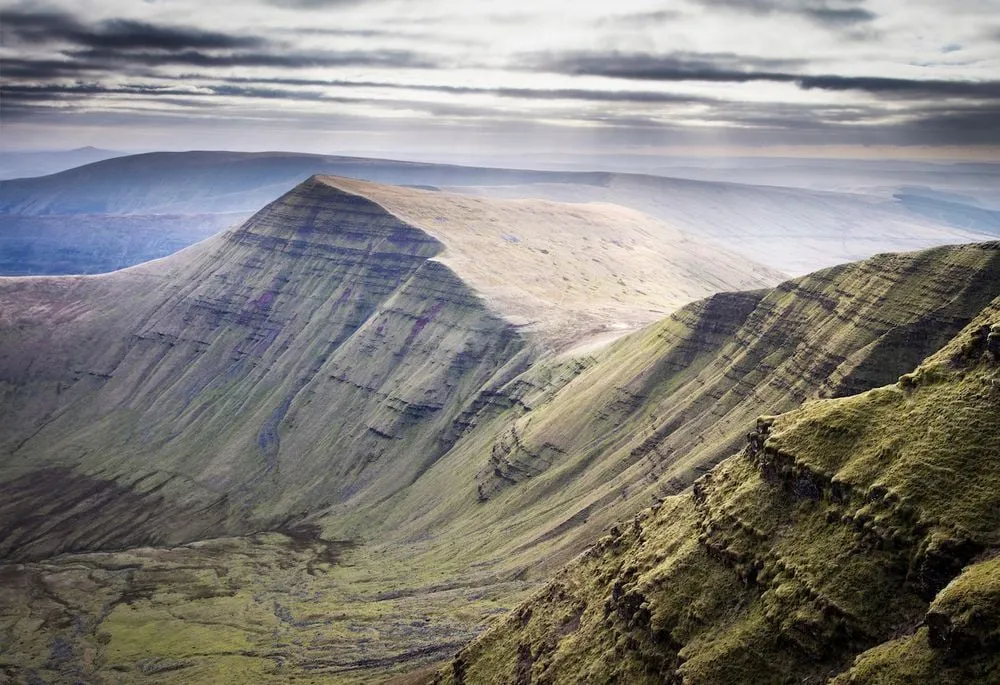 Photo: Brecon Beacons, via www.muchbetteradventures.com
What's replaced it is genuinely fascinating — and if you haven't been paying attention, you've missed the quiet revolution happening in lay-bys, garages, and fabrication workshops right across the country.
Why the Caravan and Canvas Crowd Lost the Plot
Traditional British camping gear was never really designed with the off-road crowd in mind. It was built for campsites — flat ground, proximity to a car park, and the assumption that you'd be back in a warm pub within twenty minutes if things went sideways. For overlanders pushing deep into moorland, forest tracks, or remote highland terrain, that gear is worse than useless. It's a liability.
The problems are well-documented within the community. Standard tents are too bulky to carry efficiently on a buggy or side-by-side. Trailer tents designed for family holidays are neither rugged enough nor compact enough for serious trail use. And conventional camping setups take time — time you might not have when you're trying to make camp before the light drops over a Scottish glen.
The shift away from this gear hasn't been driven by a single trend or influencer. It's been organic, practical, and very British in its improvised ingenuity.
The Military Surplus Revival
Walk the trade stands at any serious off-road event in Britain right now and you'll spot the signs. Basha tarps in DPM camouflage. Bivouac bags that look like they've survived actual combat. Sleeping systems rated to temperatures that most British campers will never encounter. Military surplus has always had a following among the outdoor crowd, but within the off-road scene it's found a particularly enthusiastic audience.
The appeal is straightforward. Military kit is designed to be compact, genuinely weatherproof, and brutally functional. A British Army basha system, for instance, packs down to almost nothing, sets up in minutes, and will handle horizontal rain in a way that a £40 festival tent simply cannot. Surplus sleeping bags — particularly the modular systems used by NATO forces — offer exceptional warmth-to-weight ratios at a fraction of the cost of premium civilian equivalents.
Dan Hartley, a Derbyshire-based trail rider who's been running overnight buggy expeditions in the Peak District for four years, has gone almost entirely military. "My whole sleep system fits in a dry bag the size of a rugby ball. I can be set up and in my bag within fifteen minutes of stopping. That's what you need when you're tired and cold and it's raining sideways."
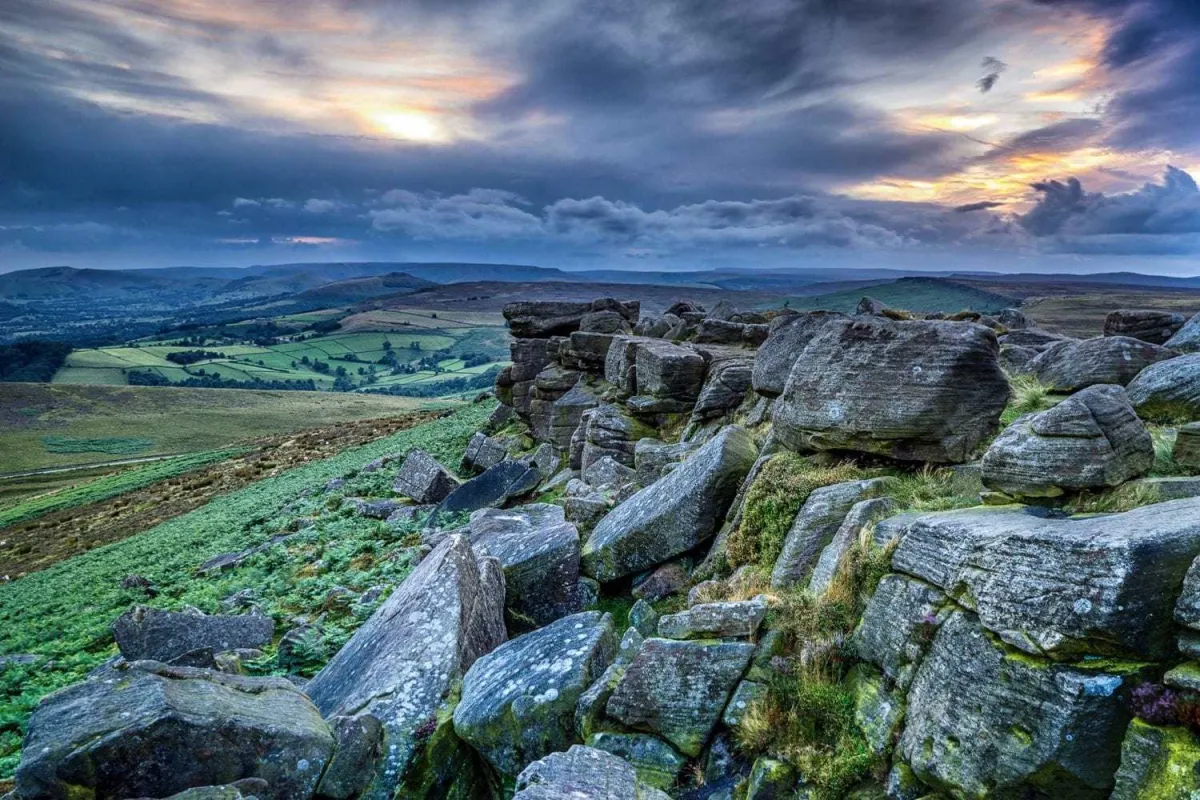 Photo: Peak District, via letsgopeakdistrict.co.uk
Bespoke Trailer Builds: The Obsessive End of the Market
For those with the skills and the inclination, the most impressive developments are happening in home workshops and small fabrication units where builders are engineering sleeping solutions from scratch.
The trailer tent has been reimagined almost beyond recognition by this crowd. Where the traditional version is a folding canvas affair designed for a family of four and a spirit stove, the new generation of off-road trailer tents are something else entirely — low-slung, reinforced, aerodynamically considered, and built to be towed behind machines that would destroy a conventional setup inside a mile.
Gareth Owen, a fabricator from mid-Wales, has built three of these units over the past two years, each one iterating on the last. His current version — a low-profile aluminium-framed trailer with a pop-up sleeping platform, integrated storage, and a sealed equipment bay — weighs under 180kg unladen and can be towed by virtually any capable off-roader. "I looked at what was available commercially and it was all wrong," he says. "Too heavy, too fragile, or too big. So I built what I actually needed."
He's not alone. Online forums and social groups dedicated to British overlanding are full of similar projects — builds that range from stripped-down military-inspired utility trailers to genuinely sophisticated micro-shelters with insulated sleeping compartments and fold-out cooking setups.
The Bivouac Purists
At the other extreme sit the bivouac purists — off-roaders who've gone in the opposite direction entirely, stripping their overnight kit back to the absolute minimum. A good bivouac bag, a lightweight tarp, a decent mat, and nothing else.
This approach has genuine merit for buggy and side-by-side riders where carrying capacity is limited. A full bivouac system from quality brands — Rab, PHD, or the ever-popular military-spec options — can weigh under two kilograms and pack into a space smaller than a water bottle. For a solo overnight run into remote terrain, it's arguably the most capable setup available.
The community around this approach has developed its own culture, its own preferred kit lists, and its own hard-won wisdom about what actually works when you're sleeping on a Dartmoor hillside in October. Waterproofing is everything. Ground insulation matters more than most people realise. And the ability to pack up and move in under five minutes is worth more than any amount of luxury camping gear.
What This Means for the Wider Market
The ripple effects of this shift are already visible in the overlanding and adventure camping sector. Several UK-based suppliers have begun stocking military-surplus shelter systems specifically marketed to the off-road community. A handful of small manufacturers have started producing trailer tent components aimed at self-builders. And at least two British companies are now offering bespoke overnight trailer builds on commission.
It's a market that barely existed five years ago, and it's growing fast — driven entirely by a community that decided the mainstream camping industry wasn't building what they actually needed.
For Bugy's crowd, this is entirely familiar territory. The off-road scene has always been defined by people who look at the available options, find them wanting, and build something better in their garage. The overnight shelter revolution is just the latest chapter in that story — and judging by the quality of what's coming out of those workshops, it's going to be a good one.