Spirit Routes: Scotland's Forgotten Whisky Trails That Only Buggies Can Reach
The Last Drop
Forget the North Coast 500. While coach loads of tourists crawl along tarmac highways, there's a parallel Scotland waiting to be discovered—one where single malts and single tracks converge in glorious, muddy harmony. Hidden across the Highlands and Islands, dozens of Scotland's most characterful distilleries sit at the end of forestry tracks, drove roads, and green lanes that haven't seen a tour bus since William Wallace was in short trousers.
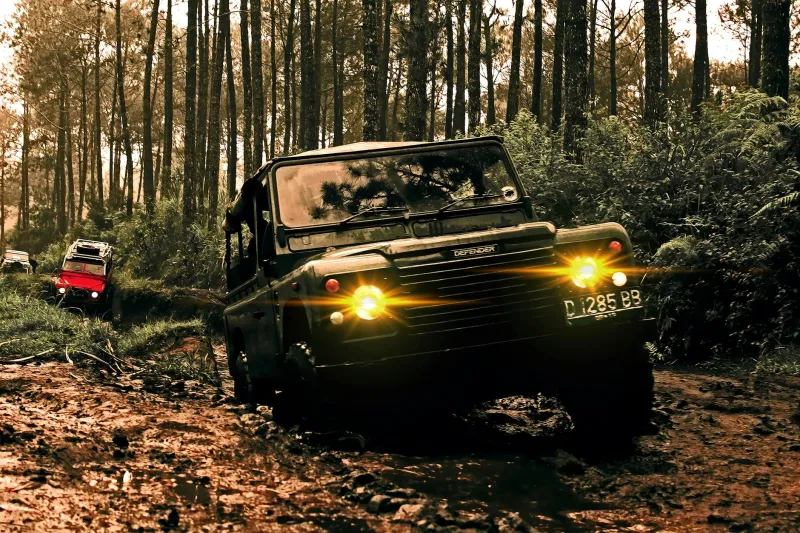
This isn't about popping into Glenfiddich's visitor centre for a sanitised tasting. This is about earning your dram the hard way, through miles of Highland bog, over mountain passes that would make a Land Rover Defender weep, and down tracks so rough they make the Dakar Rally look like a Sunday drive to Tesco.
Route Planning: More Art Than Science
The beauty of Scotland's whisky trail by buggy lies in its complete unpredictability. Unlike the manicured tourist routes, these distillery approaches change with every storm, every season, and every local farmer's mood. Start with Ordnance Survey Landranger maps—the 1:50,000 series will show you the legal rights of way that form the backbone of your route.
Begin your pilgrimage at Dalwhinnie, accessible via a spectacular drove road that winds through the Cairngorms. The track from the A9 follows an ancient cattle route, complete with stone bridges that predate the Industrial Revolution. Your buggy will need decent ground clearance here—the ford crossings can be deceptive, especially after Highland rain.
From Dalwhinnie, the real adventure begins. Head west through Glen Truim on tracks that peter out into little more than sheep paths. This is where your navigation skills get properly tested. The route to Ardnamurchan's distillery involves twenty-three miles of forestry commission tracks that would challenge a mountain goat.
Highland Hospitality Meets Muddy Tyres
Here's where Scotland's distillery culture reveals its true character. Phone ahead—not for reservations, but to warn them you'll be arriving covered in peat bog and possibly trailing half a Highland sheep farm behind your differential. The smaller distilleries, particularly those on Islay and Jura, have developed an unofficial appreciation for visitors who've earned their arrival the hard way.
Benriach distillery, reached via a particularly brutal forestry track near Elgin, keeps a pressure washer specifically for muddy visitors. The distillery manager, a former rally driver himself, understands that anyone who's navigated the approach track deserves more than a standard tour.
Overnight accommodation becomes part of the adventure. Forget boutique hotels—you'll be camping rough or staying in bothies that make Premier Inn look like the Ritz. Pack accordingly. A decent sleeping system and camp stove become essential kit when the nearest restaurant is forty miles of single track away.
Technical Challenges: More Than Just Mud
Scotland's terrain throws everything at you except predictability. The approach to Springbank distillery in Campbeltown involves crossing sections of beach at low tide—get your timing wrong, and you'll be explaining to your insurance company why your buggy is currently serving as an artificial reef.
Peat bogs present their own unique challenges. Unlike English mud, Highland peat has the consistency of chocolate mousse mixed with quicksand. Recovery points become absolutely essential—not just for your buggy, but for helping fellow adventurers who've discovered that optimism doesn't overcome physics.
The weather changes faster than Scottish politics. What starts as a pleasant morning drive can become an arctic survival exercise within hours. Your kit list needs to reflect this reality: proper cold weather gear, emergency food, and communication equipment that works when mobile signal doesn't.
The Reward: Liquid Motivation
After eight hours of wrestling Highland terrain, that first sip of single malt carries weight beyond its alcohol content. You've earned it through mechanical sympathy, navigation skills, and sheer bloody-mindedness. The whisky tastes different when you've fought for it.
Distillery workers respect the effort. They've watched city folk arrive in pristine Range Rovers, but they remember the muddy enthusiasts who've proven their commitment to reaching the source. Conversations flow differently when you're discussing terrain rather than tasting notes.
Practical Reality Check
This isn't a weekend jaunt for beginners. Plan for a minimum five-day expedition to cover the major Highland distilleries properly. Your buggy needs to be mechanically sound—breakdowns forty miles from civilisation aren't character-building, they're potentially dangerous.
Carry proper recovery gear: kinetic rope, shackles, and a winch if your budget stretches. More importantly, carry the knowledge to use them safely. The Scottish landscape is unforgiving to the unprepared.
Check access permissions. While rights of way exist, some tracks cross private land during stalking season. A phone call can prevent an awkward conversation with a gamekeeper carrying a shotgun.
The Real Spirit of Scotland
Scotland's whisky heritage and off-road culture share the same DNA: respect for tradition, appreciation of craftsmanship, and understanding that the best experiences require effort. Following these spirit routes connects you to both in ways no tourist trail ever could.
The distilleries you'll reach represent Scotland's authentic character—places where tradition matters more than marketing, where the landscape shapes the product, and where visitors who've proven their commitment receive a welcome that money can't buy.
This is Scotland beyond the shortbread tin imagery: raw, challenging, and absolutely magnificent when you've earned your place in it.