Bucket and Spade to Bucket List: Why Britain's Forgotten Seaside Towns Hide Epic Off-Road Gold
Beyond the Promenade
Britain's seaside towns get a rough ride. Mention Skegness, Morecambe, or Rhyl in polite company and watch the collective wince ripple across faces like a Mexican wave of middle-class embarrassment. But while the chattering classes dismiss these places as relics of a bygone holiday era, they're missing something spectacular hiding in plain sight.
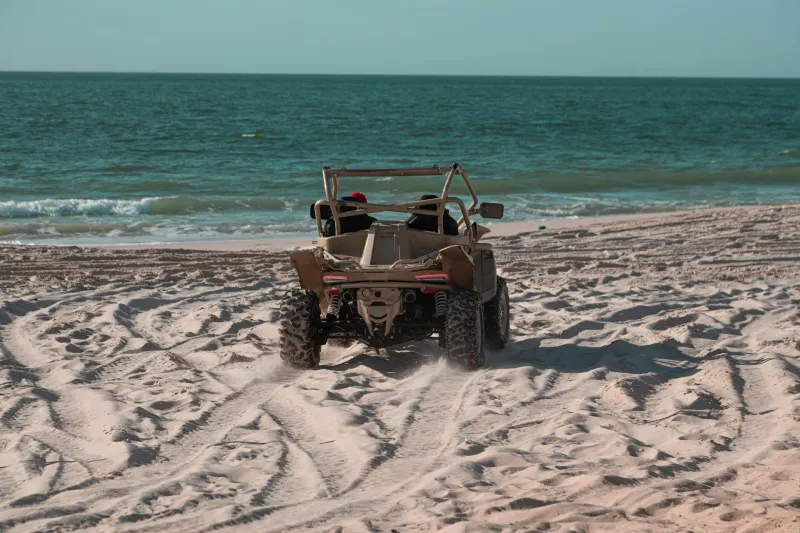
Behind the faded arcades and questionable fish and chips, these coastal towns sit on the doorstep of genuinely world-class off-road terrain. We're talking about thousands of acres of dune systems, beach access tracks, coastal byways, and Ministry of Defence land that would make a Dakar competitor weep with joy.
The Skegness Revelation
Skegness might be famous for Butlin's and slightly concerning tattoos, but venture five miles inland and you'll discover Gibraltar Point Nature Reserve's network of access tracks. These aren't manicured bridleways—they're proper, challenging routes through salt marsh and dune systems that change with every tide.
Local off-roader Jamie Morrison has been quietly exploring this terrain for fifteen years. "Everyone drives straight through Skegness to get somewhere else," he explains, mud still caked to his Series III Land Rover. "They're missing the point entirely. This coastline offers terrain you simply can't find anywhere else in Britain."
The Lincolnshire coast between Skegness and Mablethorpe hides a maze of wartime access roads, many still marked on Ordnance Survey maps but forgotten by everyone except local farmers and the occasional lost tourist. These tracks wind through landscapes that feel more like the Sahara than the East Midlands—rolling sand dunes, scrubland, and challenging gradients that sort the wheat from the chaff.
Morecambe's Hidden Potential
Morecambe Bay's reputation precedes it, and not always positively. Yes, the quicksand and tidal bores make beach driving a risky proposition for the unprepared. But the surrounding Arnside and Silverdale Area of Outstanding Natural Beauty offers limestone tracks and fell roads that would challenge any machine.
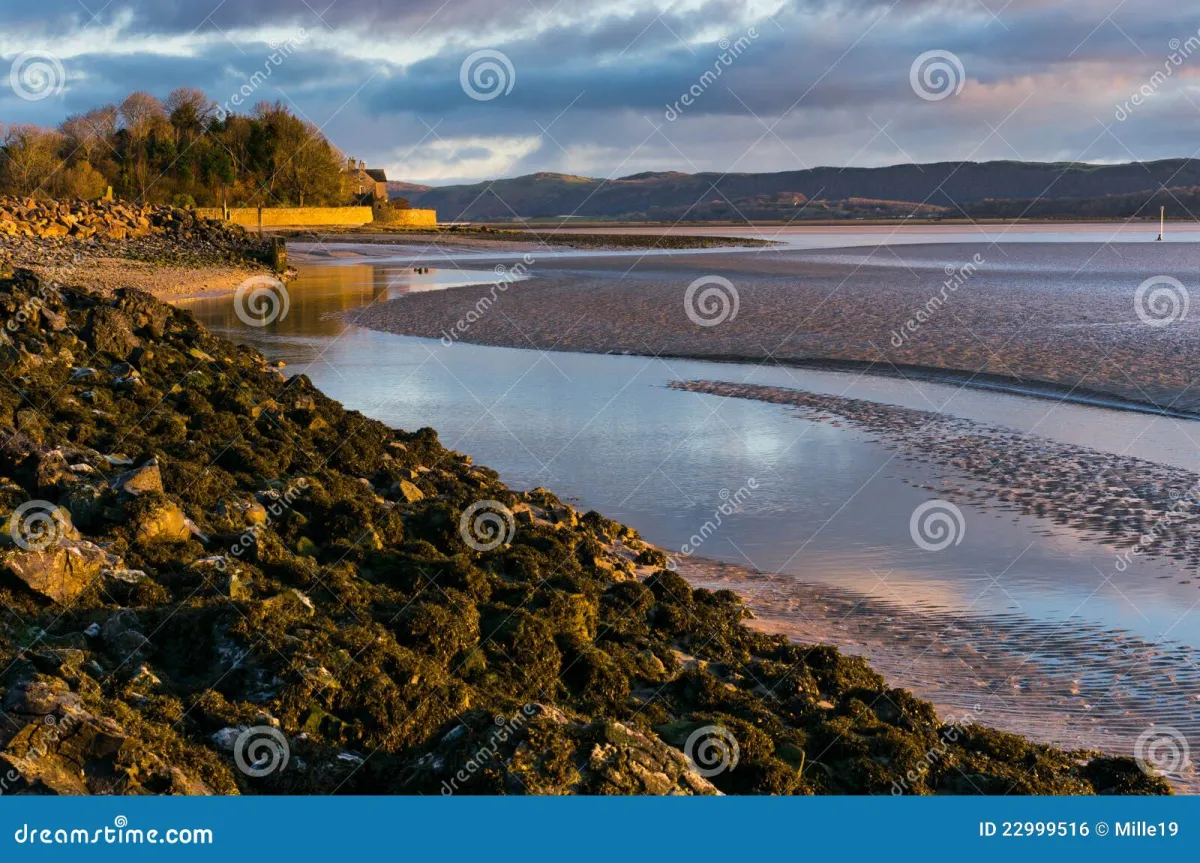 Photo: Morecambe Bay, via thumbs.dreamstime.com
The real revelation lies in the network of old quarry access roads scattered across the Cumbrian coast. Abandoned limestone workings have left behind challenging terrain that local trials clubs have been using quietly for decades. These aren't official venues—they're informal arrangements between landowners and enthusiasts who understand that access comes with responsibility.
Sarah Chen runs a small garage in Morecambe specialising in off-road preparation. Her customer base includes surprising names—City workers who've discovered that a weekend blasting across Lancashire's forgotten byways beats any expensive spa break. "People expect nothing from Morecambe except shrimp and sunsets," she says. "But we're building some serious machines here."
The Welsh Coast Surprise
Rhyl gets perhaps the harshest treatment of all Britain's seaside towns, dismissed as a symbol of economic decline and social problems. But twenty minutes inland lies the Clwydian Range, offering mountain tracks and forestry roads that rival anything Scotland can throw at you.
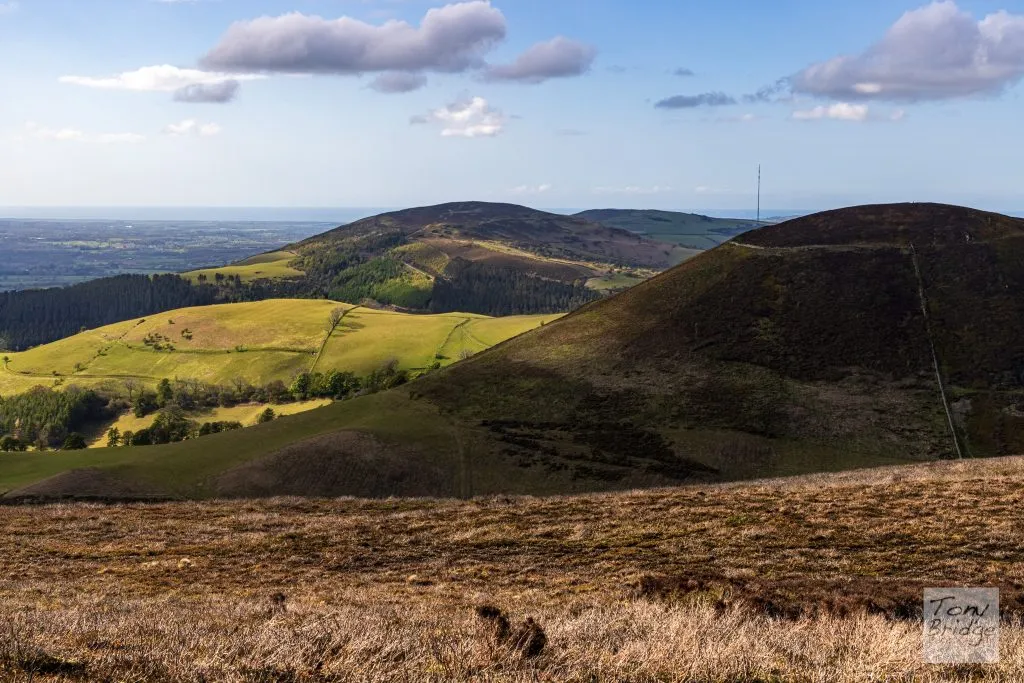 Photo: Clwydian Range, via tonybridgephotography.uk
The contrast couldn't be starker. One minute you're navigating around mobility scooters and seagulls, the next you're climbing technical sections through ancient Welsh oak forests. The Offa's Dyke Path crosses terrain that demands proper ground clearance and decent approach angles.
Local landowner Gareth Williams has been developing informal off-road experiences on his hill farm above Rhyl. "Tourism died here years ago," he admits. "But adventure tourism—that's different. People want authentic experiences, not sanitised theme parks. We can offer terrain that would cost thousands to access elsewhere."
Infrastructure Advantages
These forgotten seaside towns offer practical advantages that purpose-built off-road centres can't match. Accommodation costs a fraction of Lake District or Yorkshire Dales prices. Local garages understand working vehicles rather than lifestyle accessories. Parts availability often exceeds what you'd find in rural Scotland.
The transport links, originally built to ferry Victorian holidaymakers, now serve a different purpose. Direct rail connections from major cities mean you can trailer your buggy from London to Skegness faster than reaching many established off-road destinations.
Local authorities, desperate for any economic activity that doesn't involve closing another high street shop, show surprising flexibility toward off-road tourism. Planning applications that would face years of objections in the Cotswolds sail through coastal councils grateful for any investment.
The Underground Scene
Every seaside town harbours its secret off-road community. These aren't weekend warriors with pristine Discovery Sports—they're serious enthusiasts running modified machines on budgets that would embarrass a church jumble sale.
In Cleethorpes, a group of ex-fishermen have converted their boat maintenance skills to buggy building. Using marine-grade materials and techniques learned from decades battling North Sea conditions, they're producing machines that could survive nuclear winter.
The knowledge base in these communities runs deep. Generations of working with challenging terrain—whether fishing boats on tidal beaches or maintaining coastal defences—translate directly to off-road expertise. These aren't theoretical engineers; they're practical problem-solvers.
Economic Reality
Britain's seaside towns need economic diversification. Traditional tourism peaked sometime during the Blair administration and shows little sign of recovery. Off-road tourism offers sustainable income that doesn't depend on weather, school holidays, or consumer confidence.
Landowners struggling with agricultural economics see off-road experiences as viable alternative income. A day's green laning generates more revenue than a field of turnips, with considerably less effort and weather dependency.
The multiplier effect works locally. Off-road visitors need accommodation, food, fuel, and mechanical services. Unlike day-trippers who arrive with packed lunches and leave with nothing but photographs, serious off-roaders spend money.
The Future Landscape
Britain's forgotten seaside towns won't transform overnight into off-road capitals. But the foundations exist—terrain, infrastructure, local knowledge, and economic necessity. What's missing is recognition that these places offer genuine adventure rather than nostalgic disappointment.
The next generation of British off-roaders might well cut their teeth not in the Yorkshire Dales or Scottish Highlands, but in the surprising landscapes hiding behind Skegness pier and Morecambe promenade.
Sometimes the best adventures begin where you least expect them—usually somewhere you'd never thought to look.


