Darkness Falls: The Nocturnal Brotherhood Redefining British Off-Roading
When Normal People Sleep
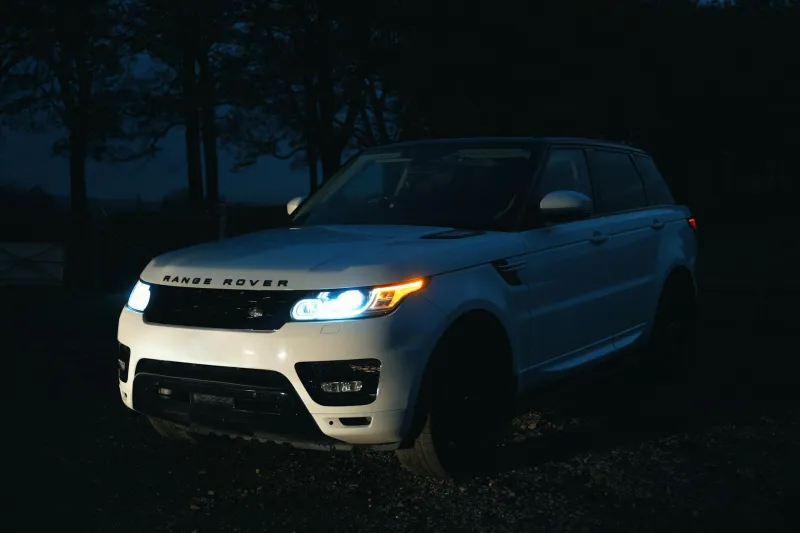
At 3:47am on a moonless Thursday, Dave Hartley is threading his modified Defender through a Yorkshire Dales byway that barely qualifies as a footpath in daylight. His LED light bar cuts through darkness so complete it feels solid, illuminating limestone walls and sheep that watch his progress with the weary resignation of creatures accustomed to nocturnal disturbances.
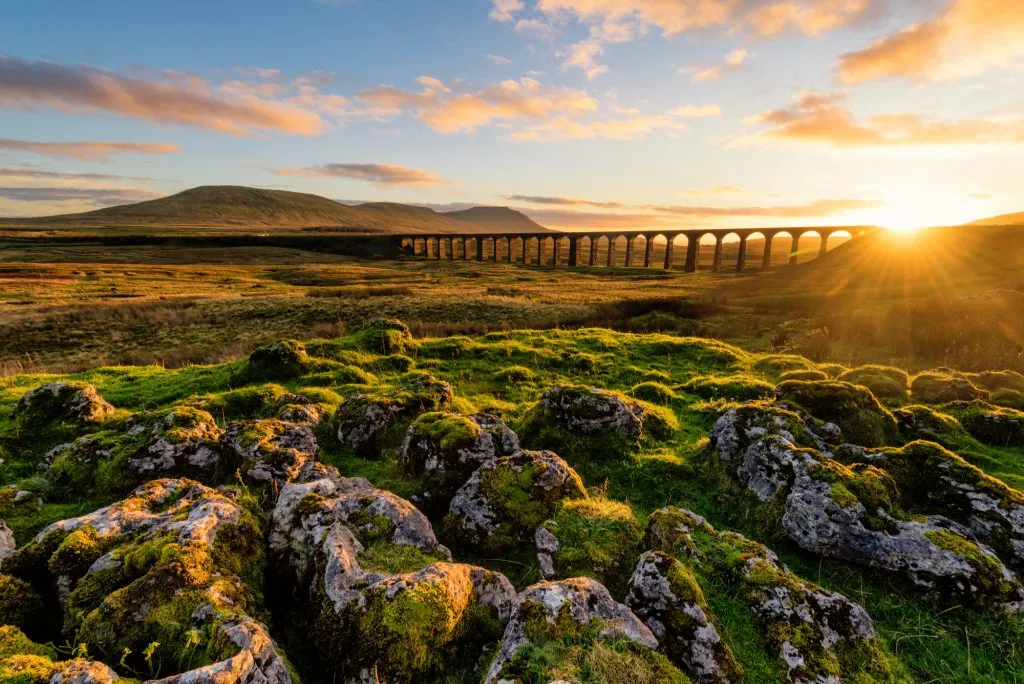 Photo: Yorkshire Dales, via www.ytb.org.uk
Dave represents a growing subculture within British off-roading—enthusiasts who've discovered that familiar trails become entirely different beasts after dark. "Daytime off-roading is like reading a book," he explains, adjusting his thermal imaging camera. "Night driving is like writing one."
The 4am Club, as they've dubbed themselves, aren't adrenaline junkies seeking thrills through sleep deprivation. They're technical purists who've realised that navigating by artificial light strips away every safety net daylight provides, demanding skills that separate genuine drivers from weekend warriors.
Technology Meets Terrain
Modern night off-roading bears little resemblance to the fumbling torch-and-hope approach of previous generations. Dave's Defender carries more illumination than a small airport: twin LED light bars, spot beams, work lights, and a thermal imaging system that reveals heat signatures through complete darkness.
"The kit has transformed what's possible," explains Sarah Mitchell, who runs a specialist lighting company from her Northumberland workshop. "Twenty years ago, night driving meant accepting massive compromises. Now, properly equipped vehicles can achieve visibility that exceeds daylight conditions."
Her customer base includes surprising names—surgeons seeking stress relief, shift workers whose schedules naturally align with nocturnal adventures, and retirees who've discovered that 4am trails offer solitude impossible during daylight hours.
The technical requirements extend beyond illumination. Night driving demands different tyre choices—compounds that maintain grip as temperatures drop, tread patterns that clear mud without feedback you can see. Suspension settings require adjustment for reduced visual input. Even basic maintenance schedules shift when your driving happens during hours when garages are closed.
Legal Labyrinth
Running serious lighting systems on public roads creates legal complexities that would challenge a parliamentary draughtsman. The Road Traffic Act wasn't written with 50-inch LED light bars in mind, creating grey areas that require careful navigation.
"The law assumes you're either on public roads or private land," explains motoring solicitor James Crawford. "It doesn't account for the complex access arrangements that define British off-roading. You might cross three different legal jurisdictions in a single night's drive."
Most night off-roaders solve this through careful route planning and landowner relationships. Private land offers freedom to run any lighting configuration, while rights of way demand strict compliance with road lighting regulations. The transition between these legal zones happens constantly, requiring drivers who understand more than just mechanical controls.
Insurance companies view night off-roading with the enthusiasm typically reserved for unprotected plutonium handling. Standard policies exclude activities between certain hours, forcing enthusiasts toward specialist insurers who understand the technical demands involved.
The Psychological Shift
Night off-roading changes how you process information. Visual references that guide daylight navigation disappear, forcing reliance on mechanical feedback, sound, and instinct developed through repetition.
"Your hearing becomes hyper-acute," describes Emma Thompson, a night driving instructor based in the Peak District. "You learn to distinguish between tyre slip and differential lock engagement by sound alone. Engine note tells you more about gradient than any visual reference."
The psychological pressure intensifies everything. Mistakes that might cause minor inconvenience during daylight become serious problems when recovery requires working in complete darkness. Route planning demands consideration of escape routes, communication coverage, and weather conditions that could transform challenging terrain into genuinely dangerous situations.
Many night drivers describe an almost meditative quality to the experience. The sensory reduction forces concentration that eliminates daily stress, creating mental space impossible to achieve during daylight driving.
Community Bonds
The 4am Club operates through informal networks built around trust and mutual support. Night driving amplifies consequences—mechanical failure, navigation errors, or medical emergencies become serious problems when help might be hours away.
"We look after each other," explains club coordinator Mark Stevens. "Everyone carries recovery gear, medical kits, and communication equipment. You don't leave someone stranded in the dark."
The community attracts diverse backgrounds united by appreciation for technical challenge and solitude. Night shift workers, insomniacs, and early risers discover common ground in their rejection of conventional schedules.
Meetups happen in service stations and 24-hour cafes, planning routes that avoid populated areas and sensitive wildlife habitats. The environmental consciousness runs deep—night drivers understand their impact on nocturnal ecosystems and plan accordingly.
Seasonal Variations
Winter nights offer the longest driving windows but present unique challenges. Ice formation on tracks becomes invisible until you're sliding sideways into a dry stone wall. Battery performance degrades in cold temperatures, affecting both vehicle systems and portable equipment.
Summer brings different complications. Shorter darkness windows compress available driving time, while warmer temperatures affect engine cooling and tyre pressures. Wildlife activity peaks during summer nights, requiring constant vigilance for animals that might not recognise artificial light as a threat.
Autumn and spring provide optimal conditions—reasonable temperatures, manageable daylight restrictions, and trail conditions that balance challenge with safety.
Equipment Evolution
The technology arms race continues accelerating. Thermal imaging systems that cost thousands five years ago now appear on moderately modified vehicles. LED efficiency improvements extend battery life while increasing light output. GPS systems designed for night operations provide route guidance without destroying night vision.
However, experienced night drivers emphasise that technology supplements rather than replaces fundamental skills. "All the lights in the world won't help if you can't read terrain," warns veteran night driver Colin Roberts. "The kit gets you there, but experience gets you home."
The Future of Darkness
Night off-roading represents evolution rather than revolution—taking existing skills and applying them in conditions that demand higher standards. As lighting technology improves and legal frameworks adapt, the community expects steady growth without losing its core character.
The appeal lies not in exclusivity but in the pure technical challenge. When visibility drops to the reach of your headlights and familiar trails become alien landscapes, off-roading returns to its fundamental essence—human skill, mechanical sympathy, and respect for terrain that doesn't care about your schedule.
In a world increasingly dominated by safety systems and electronic aids, night off-roading preserves space for drivers who prefer their adventures unfiltered by daylight's forgiving nature.


