Ghost Runways: The Wartime Airfields Quietly Becoming Britain's Most Exciting Off-Road Destinations

Photo: U.S. Navy CJR-M by Rachel Landers, Public domain, via Wikimedia Commons
Ghost Runways: The Wartime Airfields Quietly Becoming Britain's Most Exciting Off-Road Destinations
Somewhere in Lincolnshire, a man in a Polaris RZR is driving along a stretch of cracked concrete that once bore the weight of Lancaster bombers heading east into the dark. The control tower is a roofless shell. The dispersal pens are half-buried in bramble. And the perimeter track — all two miles of it — is as rough and broken as anything you'll find on a purpose-built off-road site. He's grinning like an idiot.
 Photo: Lancaster bombers, via i.pinimg.com
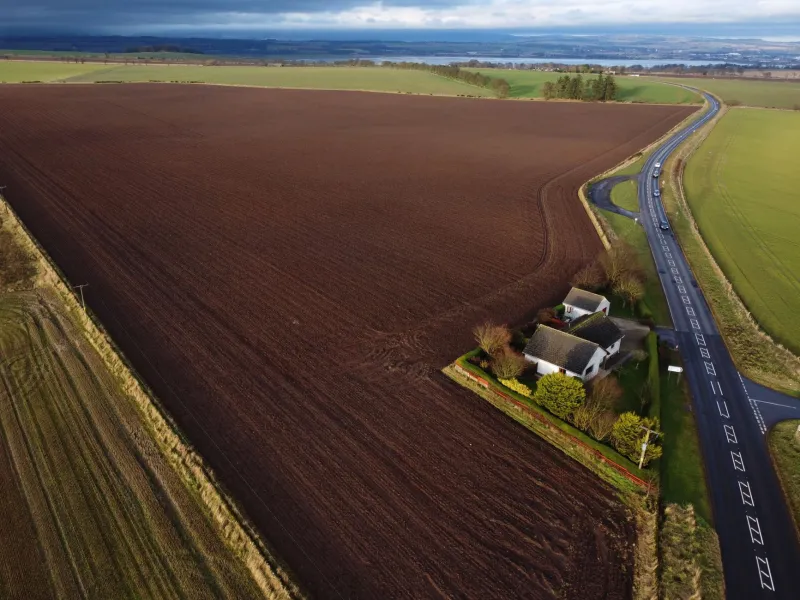
Britain built over 700 military airfields during the Second World War. Most were returned to agricultural use after 1945, but the infrastructure — the runways, the perimeter tracks, the hardstandings, the access roads — was never fully removed. It's still out there, buried under six decades of vegetation and neglect, scattered across the flatlands of East Anglia, the Midlands, Yorkshire, and beyond. And for a small but passionate community of off-road enthusiasts, these ghost airfields have become something extraordinary.
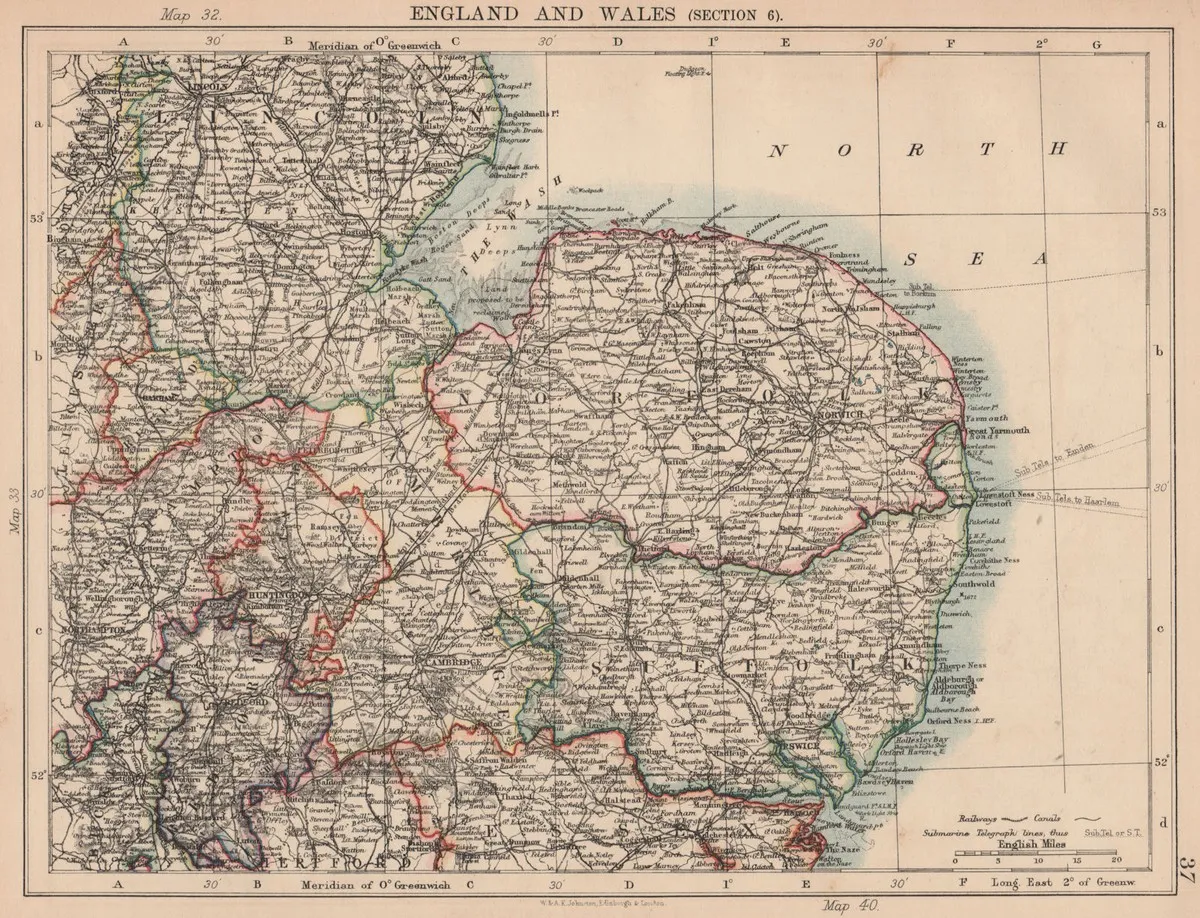 Photo: East Anglia, via i.ebayimg.com
The Scale of What's Out There
The numbers are genuinely staggering once you start looking. English Heritage and various aviation archaeology groups have mapped over 400 former military airfields in England alone, with further significant clusters in Scotland and Wales. The vast majority of these sites retain at least some original wartime infrastructure — perimeter tracks, taxiways, and concrete hardstandings that were built to military specification and have, in many cases, survived remarkably well.
The terrain varies enormously. Some sites have been almost entirely absorbed by farmland, with only faint traces visible from the air. Others retain substantial structures — runways broken into vast concrete slabs by frost and tree roots, control towers slowly collapsing into their own foundations, and perimeter tracks that offer miles of genuinely challenging driving through conditions that range from firm and fast to deeply rutted and boggy depending on the season.
For off-roaders, the appeal is obvious. These sites offer space, variety, and a sense of history that no purpose-built trail can replicate. And unlike many of Britain's green lane networks, they exist on private land — which means the conversation about access is a straightforward one between enthusiast and landowner.
The Landowners Who Said Yes
Not every farmer who inherited an old airfield wants people driving around it. But a surprising number are open to the idea — particularly when approached properly and with a genuine respect for the land and its history.
Robert Chambers farms 800 acres in Nottinghamshire that incorporates the remains of a former RAF training airfield. He's been allowing a local off-road club to use the perimeter track for organised events for the past three years. "I had no use for that concrete," he says. "It costs money to maintain, it's too broken up to farm around properly, and it's just sitting there. The club approached me, they were professional about it, they showed me their insurance documentation, and we worked out an arrangement. It's been fine."
The arrangement is typical of how these relationships tend to work — a formal agreement, liability insurance on the club's side, a contribution to site maintenance, and a clear understanding of which areas are accessible and which are off-limits. Agricultural operations take priority. Sensitive structures — particularly any remaining wartime buildings — are treated with respect.
Elsewhere, sites have been developed more formally. A handful of former airfields in the East Midlands and East Anglia have become semi-commercial off-road venues, with landowners investing in basic facilities and charging for access. The rough concrete and open terrain that makes these sites so appealing to drivers also makes them relatively low-maintenance as venues — there's no trail to erode, no surface to damage.
The Historical Dimension
Driving on former wartime infrastructure is not something to be taken lightly, and the off-road community that's found its way to these sites is generally keenly aware of that. Many enthusiasts have a genuine interest in the history — the airfield archaeology groups, the veteran associations, and the local historians who've documented these places are often closely connected to the communities that use them recreationally.
Some of the most evocative sites carry significant historical weight. The perimeter track of a former USAAF base in Suffolk. The crumbling dispersal pens of a Spitfire station in Kent. The vast, silent runways of a Bomber Command station in Lincolnshire's aviation country. These are places where the landscape itself carries memory, and driving them with that awareness transforms the experience into something more than just another off-road run.
There's also a practical historical dimension around access and ownership. Many former airfield sites have complex ownership histories — split between multiple landowners, with sections held by local authorities, the Ministry of Defence, or private trusts. Before approaching any site, it's worth doing the research. The Aviation Archaeology Recording and Conservation Society maintains records that can help identify ownership, and local planning authorities often hold historical records relating to former military land.
The Legal Landscape
It's worth being direct here: driving on any former airfield without explicit landowner permission is trespass. The fact that a perimeter track is visible on a map, accessible via a public road, or looks abandoned does not create any right of access. The off-road community's reputation depends on getting this right.
That said, the process of obtaining permission is genuinely straightforward in most cases. Landowners who've had positive experiences with organised groups are often willing to extend access to new enquiries. A well-written letter or email, evidence of appropriate insurance, and a clear description of the activity proposed will get a fair hearing from most farmers and land managers.
Some sites fall within areas where additional permissions may be required — Sites of Special Scientific Interest, scheduled monuments, or land with specific planning conditions. Again, a little research before making contact will save embarrassment and ensure the conversation starts on the right footing.
Finding Your Own Ghost Runway
If you're intrigued — and you should be — the starting point is the mapping resources maintained by aviation archaeology groups. The Airfield Research Group and the RAF Historical Society both maintain records that can help you identify sites in your area. Ordnance Survey maps at 1:25,000 scale will often show remnant runways and tracks, and aerial photography via Google Maps or the National Library of Scotland's historical map archive can reveal the full extent of surviving infrastructure.
Approach landowners directly and honestly. Explain what you want to do, show you've done your homework on the site's history, and come prepared with the practical details — insurance, numbers, proposed dates. Most people respond well to that kind of preparation.
Britain's ghost runways are out there waiting. Cracked, overgrown, and extraordinary. The machines that launched Spitfires and Lancasters are long gone, but the ground they rolled across is still there — and if you've got the right vehicle and the right attitude, it's some of the most remarkable terrain in the country.