Keys, Mud, and Acres: How Off-Road Vehicles Are Unlocking Britain's Most Remote Rural Properties
Keys, Mud, and Acres: How Off-Road Vehicles Are Unlocking Britain's Most Remote Rural Properties
There's a particular kind of frustration that comes with spotting a listing for a remote Welsh farmstead or a Northumberland woodland plot and then reading those four words that kill the dream before it starts: access via unmade track. For most buyers, that's where the enquiry ends. For a growing number of off-road enthusiasts across Britain, it's precisely where the adventure begins.
The crossover between the off-road community and rural property hunting has been quietly building for years, but estate agents and land brokers are now sitting up and taking notice. Buyers who once might have dismissed a remote smallholding because their Volkswagen Golf couldn't handle the approach lane are turning up to viewings in side-by-sides, modified Defenders, and full-fat buggies — and they're making offers on properties that have sat unsold for years.
The Problem with Traditional Viewings
Let's be honest about how rural property viewings typically go. An agent in clean shoes meets a buyer at a gate. If the track beyond that gate is rough, boggy, or has been hammered by recent rain, the whole exercise often gets abandoned or, worse, sanitised — a quick walk to the first field boundary and back, with nobody actually seeing the land they're supposed to be buying.
For woodland plots, remote crofts, former agricultural steadings, and off-grid builds, this approach is essentially useless. You cannot properly assess drainage, boundary conditions, access routes, or the true lay of the land from a five-minute stroll in unsuitable footwear. Buyers end up purchasing on incomplete information, and sellers struggle to shift properties that simply don't photograph well from a car park.
Sarah Whitmore, who bought a 12-acre woodland plot near Kielder in Northumberland two years ago, put it plainly. "The agent couldn't get his car past the second gate. He basically gave up. I went back the following weekend with my Polaris and spent three hours exploring the whole site. Found a completely hidden stream, a derelict stone bothy, and realised the track was actually in better shape than it looked from the road. I put an offer in that Sunday evening."
Buyers Who Found Gold Because They Had the Right Machine
Stories like Sarah's are multiplying. In the Scottish Borders, a couple from Edinburgh used a hired Yamaha Wolverine to access a 40-acre mixed-use plot that had been on the market for eighteen months. The access track — barely a rutted forestry road — had deterred every previous viewer. They spent a full day on the land before making their decision, and they bought it at under the asking price specifically because the property's inaccessibility had suppressed demand.
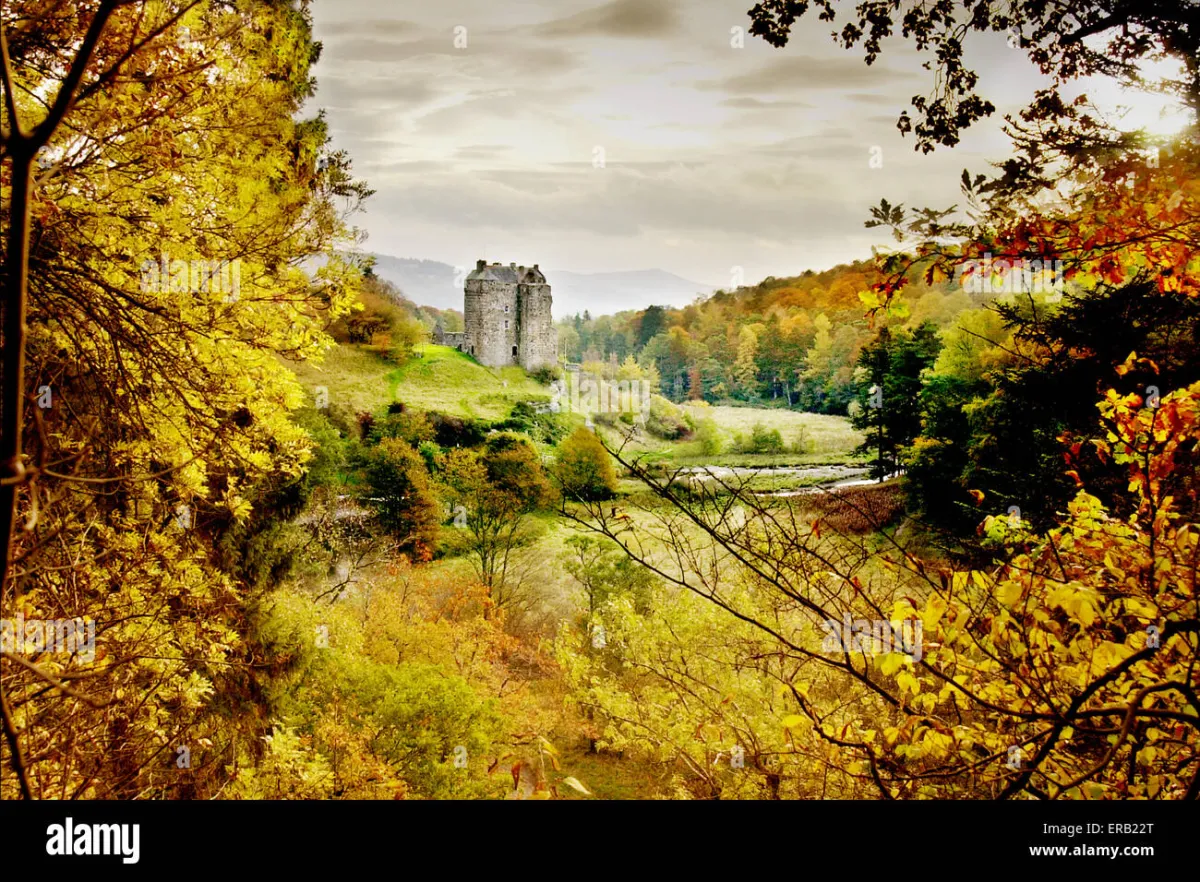 Photo: Scottish Borders, via c8.alamy.com
Down in Exmoor, a Devon-based builder who'd spent years doing up rural properties described how a Polaris RZR had essentially become part of his business toolkit. "I don't go to any rural viewing without it now. I've found buildings that weren't even on the listing plan because the agent didn't know they were there. You can't do due diligence on land from a road."
This isn't just about convenience. In many cases, the off-road vehicle is the difference between a viable purchase and a wasted journey. Some of Britain's most undervalued rural land sits behind tracks that would swallow a conventional car whole — particularly in winter, when the market is quiet and motivated sellers are genuinely open to negotiation.
What the Land Agents Are Saying
A handful of rural land specialists — particularly those operating in Scotland, Wales, and the north of England — have started adapting to this shift. Some are now explicitly noting in listings whether four-wheel-drive access is required, and a few have begun partnering informally with local off-road hire companies to give serious buyers proper access.
One Shropshire-based land agent, who asked not to be named, admitted that the change in buyer behaviour had been noticeable. "We've had three sales in the last year where the buyer turned up in something you'd normally see at a green lane event. In every case, they were more prepared, more informed, and more committed than the conventional viewers. They'd done the work."
The flip side, of course, is that some landowners are uncomfortable with vehicles they don't recognise tearing across their fields during a viewing. Getting the etiquette right matters — and the off-road community's existing culture of respect for the land and leaving no trace transfers well here.
Practical Advice for the Mud-Covered Property Hunter
If you're thinking about combining your off-road capability with a serious rural property search, there are a few things worth keeping in mind.
Always confirm access in advance. Don't assume that because a track exists, you have permission to drive it. Contact the agent or seller before any viewing and be upfront about your intention to explore the full extent of the land. Most sellers of remote property will be delighted — they want buyers who are genuinely committed.
Document everything. A GoPro or phone mount on your machine lets you record the entire approach and site in detail. This is invaluable for solicitors assessing access rights, for planning purposes, and for your own reference when comparing multiple sites.
Think beyond the viewing. If you're buying land with the intention of developing it, building on it, or simply accessing it regularly, your off-road vehicle is going to be a long-term part of the equation. Consider the practicalities of track maintenance, load-carrying capacity, and what you'd need to haul across the site on a working day.
Hire before you commit. If you don't yet own a capable machine, hiring one for a viewing trip is a relatively modest investment compared to the cost of buying the wrong piece of land. Several off-road hire operations across the UK will provide vehicles for exactly this kind of purpose.
The Bigger Picture
There's something quietly poetic about the fact that the vehicles Britain's off-road community uses for weekend thrills are also the tools unlocking a different kind of freedom — the freedom to own a piece of land that most people will never see. The off-road world has always been about accessing what others can't. It turns out that principle applies just as well to property deeds as it does to trail maps.
Britain's rural property market has pockets of extraordinary, undervalued land sitting behind gates that most buyers never open. If you've got the machine and the nerve to explore, you might just find your dream acres are waiting exactly where the tarmac runs out.