When Britain Floods, We Drive: The Wet-Weather Off-Road Opportunity Nobody Talks About

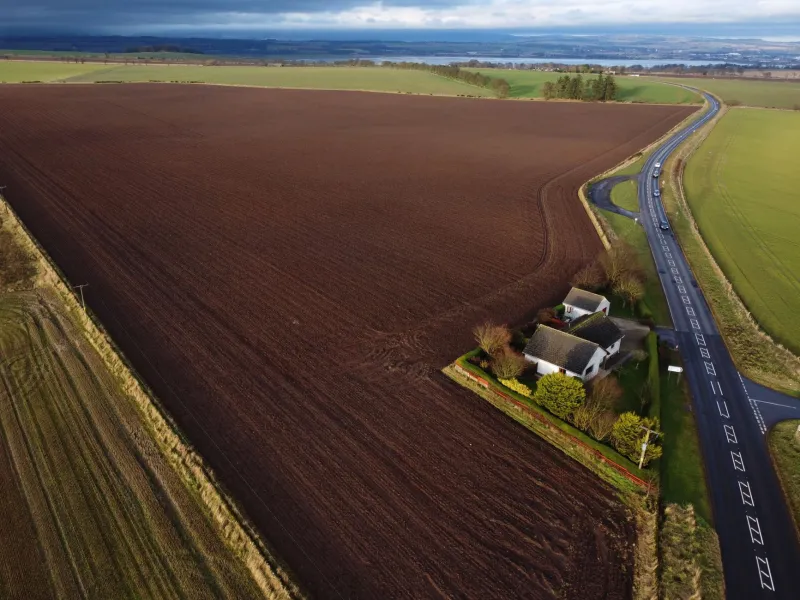
Photo by Photo by Noémi Macavei-Katócz on Unsplash on Unsplash
The rain had been coming down for four days straight when Jamie Allsop decided to drive out to the Somerset Levels. Not to check on the flood damage. Not to help with the sandbag effort. Just to drive.
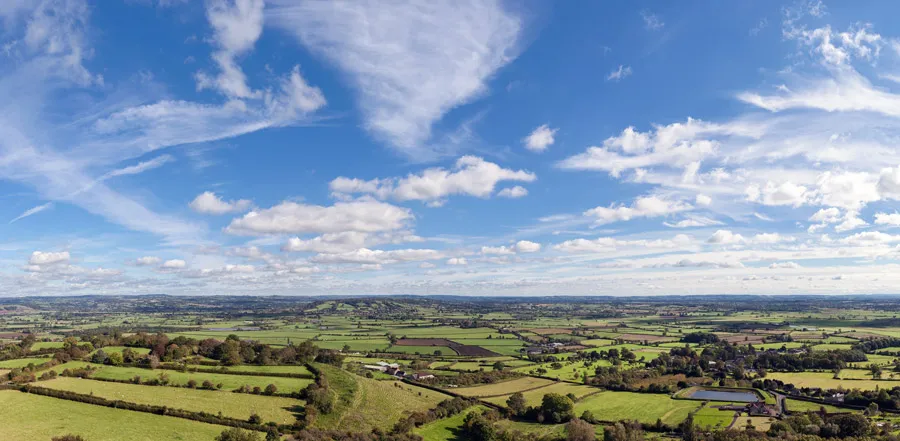 Photo: Somerset Levels, via www.wildlifeworldwide.com
'I know how that sounds,' he admits, sitting in his workshop near Glastonbury with a mug of tea going cold beside him. 'But the Levels in winter flood are a completely different landscape. The tracks I know are suddenly surrounded by water on both sides. The light's different. The birds are different. Everything you think you know about that terrain gets rewritten.'
Jamie drives a heavily modified Suzuki Jimny with a two-inch lift, a snorkel, and enough underbody protection to survive a serious encounter with submerged stonework. He's been exploring the flood plains of southwest England for six winters, and he's developed a nuanced view of when it's thrilling, when it's useful, and when it crosses a line.
 Photo: Suzuki Jimny, via images.carexpert.com.au
That nuance matters. Because the growing appetite for wet-weather off-roading in Britain is bumping up against some legitimate concerns — from landowners, from environmental agencies, and from the green lane wardens who spend their lives trying to keep Britain's byway network intact.
The Appeal Is Real
Let's start with the honest truth: flooded terrain is genuinely extraordinary to drive. Water transforms familiar landscapes into something unrecognisable. Valley floors that are routine field crossings in August become shallow lakes in January, with just the crown of a track visible above the surface. The challenge of reading water depth, identifying submerged obstacles, and managing momentum through standing water requires a completely different skill set from conventional off-roading.
For capable vehicles with appropriate preparation, it's also — within limits — manageable. Snorkels allow engines to breathe above water level. Sealed differentials and properly maintained seals keep water out of critical components. Wading plates protect against wave ingestion. The mechanical side of wet-weather driving is well-understood, and a properly set-up buggy or 4x4 can handle conditions that would strand a standard road vehicle in minutes.
The experiential draw is compounded by timing. Britain's worst flood conditions tend to arrive in the weeks when off-road activity is lowest — the deep midwinter period between Christmas and March when fair-weather drivers have put their vehicles away. For those willing to go out in it, the terrain is largely untracked, the landscapes are at their most dramatic, and the sense of having a corner of Britain entirely to yourself is genuinely rare.
The Legal Picture Is Complicated
Here's where things get less straightforward. The fact that a route is legally driveable in dry conditions does not automatically mean it's legal — or appropriate — in flood conditions.
Byways Open to All Traffic (BOATs) remain legally driveable year-round, but local Traffic Regulation Orders (TROs) can restrict access during periods of particular damage risk, and some areas impose seasonal closures during winter months. The Dartmoor National Park, for instance, has TROs on specific routes that activate during wet periods. Checking current restrictions through the relevant highway authority before you go is not optional — it's the baseline responsible behaviour.
 Photo: Dartmoor National Park, via c8.alamy.com
More significantly, driving on flooded land that isn't a designated byway — even if it looks like nobody's land, even if it's common ground, even if you've driven there before — can constitute trespass or damage to a third party's property. Flooded farmland is particularly sensitive: the soil structure in waterlogged fields is extremely vulnerable to compaction and rutting, and the damage caused by a single vehicle can affect drainage and crop yields for seasons afterwards.
'We've had incidents where people have driven across flooded fields thinking they were doing no harm because the surface was under water,' says one green lane liaison officer who works across the East Midlands. 'The water hides the ruts they're leaving. But when it drains, the damage is obvious. And it poisons the relationship between landowners and the off-road community for years.'
What the Landowners Say
The landowner perspective on flood-chasing off-roaders is — predictably — mixed. Farmers whose fields have been damaged by vehicles during wet periods are understandably hostile. But there's also a category of landowner who has actively embraced the wet-weather opportunity, and they're worth paying attention to.
A small but growing number of farms across the Midlands, the North, and the southwest have established formal wet-weather driving permissions — either through dedicated pay-to-play sites or through informal arrangements with off-road clubs. These operations offer controlled access to flooded ground, with landowner oversight and clear understanding of where vehicles can and cannot go.
This model works for everyone. The landowner gets income from land that's temporarily unusable for agriculture. The driver gets legal access to extraordinary terrain. And the green lane network doesn't take the pressure of people who'd otherwise be driving somewhere they shouldn't.
If you're serious about wet-weather driving, finding and supporting these legitimate operations is both the ethical and practical path forward.
The Mechanical Realities
Assuming you've sorted the legal side, the mechanical preparation for serious wet-weather off-roading deserves proper attention. A few key areas:
Wading depth. Know your vehicle's rated wading depth and stay well within it. The rating assumes still water; moving water exerts considerably more force and raises the effective risk considerably. A snorkel raises the air intake point but doesn't waterproof the rest of the vehicle.
Electrical systems. Modern vehicles are packed with electronics that don't respond well to immersion. Older, simpler buggies have an advantage here — a carburetted air-cooled engine with minimal electronics is dramatically more flood-tolerant than a modern engine management system. Seal and protect what you can; know what you can't protect.
Post-water maintenance. After any serious wading session, differentials and gearboxes should be checked for water contamination — look for milky oil. Brake drums and discs need to be dried and checked. Bearings that have been submerged should be inspected and regreased. This isn't optional maintenance; water ingress that's left unaddressed causes accelerating damage.
Recovery. Wet-weather recovery is harder than dry. The ground anchor points you'd use for a winch are often waterlogged and unreliable. Kinetic ropes work better than straps in soft conditions. And the recovery vehicle itself needs to be on stable ground — pulling a stuck vehicle from a flooded field risks putting two vehicles in trouble instead of one.
Reading the Water
The skill that separates experienced wet-weather drivers from the ones who end up on recovery call-outs is water reading. Flooded tracks are not uniform — depth varies, the current (if any) varies, and the substrate beneath the surface varies enormously.
General principles: water that's moving has scooped out the substrate on the downstream side of any obstruction. The deepest water is usually not in the middle of a flooded track but at the edges, where runoff has channelled. Vegetation poking through the surface tells you something about depth — rushes and reeds typically grow in shallower water than open surface suggests. And the colour of the water tells you about the bottom: pale, silty water often means soft substrate; darker water over grass is usually firmer.
When in doubt, walk it first. The few minutes it takes to wade a section on foot — yes, in wellies, yes, it's cold — is nothing compared to the hours a stuck recovery takes.
Make the Season Work for You
Britain's winters aren't going anywhere, and the evidence suggests they're getting wetter. The choice for off-roaders is whether to treat that as a problem or an opportunity — and increasingly, the community is choosing opportunity.
Done right, with proper permissions, appropriate vehicles, and genuine respect for the landscape and the people who manage it, wet-weather off-roading is some of the most memorable driving Britain offers. The flooded valley floor that's been sitting under two feet of water since Boxing Day, accessible via a legal byway, in a properly set-up buggy, on a January morning with frost on the hedgerows and a low winter sun turning the water to copper — that's not a compromise for bad conditions.
That's the whole point.