Slate and Dust: How Wales is Quietly Becoming Britain's Off-Road Capital
Slate and Dust: How Wales is Quietly Becoming Britain's Off-Road Capital
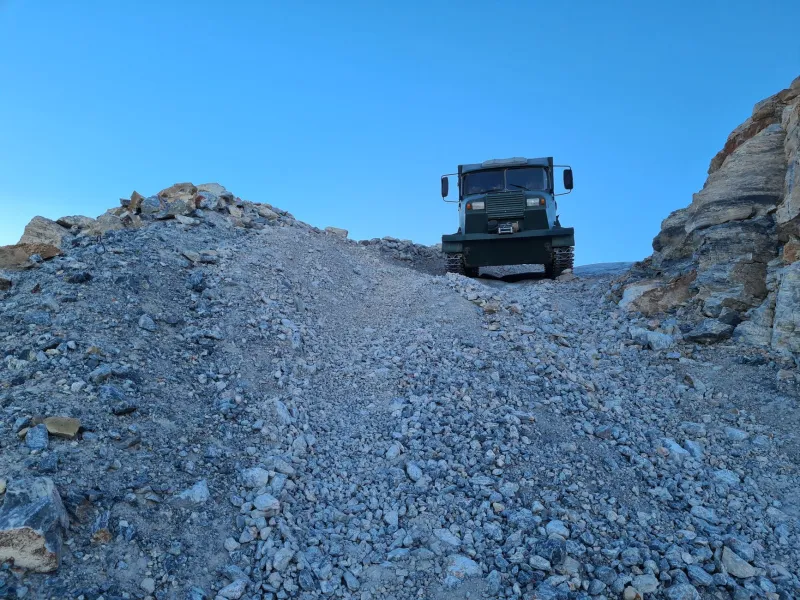
There's a moment, somewhere on the upper terraces of a disused North Welsh slate quarry, when you genuinely forget you're in Britain. The terrain drops away in jagged grey shelves. Dust hangs in the still air. The sky sits enormous and indifferent above ridgelines that look like they've been carved by something angrier than weather. Then your passenger shouts something unprintable as the buggy dips over a ledge, and you remember exactly where you are.
Wales has always had the landscape. What it's been missing — until recently — is the infrastructure, the legal framework, and the commercial vision to turn that landscape into something riders can actually access. That's changing fast.
The Quarry Gold Rush
North Wales alone contains over 400 decommissioned quarrying sites. Most have sat dormant for decades, their access roads crumbling, their drainage systems long since overwhelmed by rainfall that the valleys seem to attract with almost personal enthusiasm. For years, they were liabilities. Now, a growing number of landowners and local councils are realising they're sitting on something the off-road world desperately wants: technical, varied, legally accessible terrain with natural elevation changes that no purpose-built track could ever replicate.
"The thing people don't understand about quarry terrain is that it's not just rough ground," says Rhys Parry, who manages a 47-acre decommissioned slate pit outside Bethesda that he opened to off-road vehicles three years ago. "You've got cambered rock faces, loose aggregate slopes, standing water sections that change every week. No two runs are the same. It challenges a vehicle in ways that a muddy field simply doesn't."
Parry spent 18 months navigating planning permissions and environmental assessments before he could open his gates. The process, he admits, was brutal. "The Environment Agency wanted surveys. The council wanted traffic management plans. My insurance broker had never heard of a buggy and didn't particularly want to learn. But once you're through it, you're through it. And the demand was there from day one."
The Legal Landscape
Getting a quarry approved as an off-road venue in Wales isn't straightforward, but it's increasingly well-trodden ground. Natural Resources Wales — the body responsible for managing the country's natural environment — has developed a working familiarity with the category of application, largely because operators like Parry have done the legwork of establishing precedent.
Key hurdles include ground stability surveys (essential in any former extractive site), water management plans to prevent contamination of local watercourses, and noise assessments that satisfy neighbouring landowners. Sites in Snowdonia National Park face additional scrutiny, which is why most of the emerging venues sit just outside the park boundary — close enough to benefit from the dramatic scenery, far enough to avoid the additional planning layer.
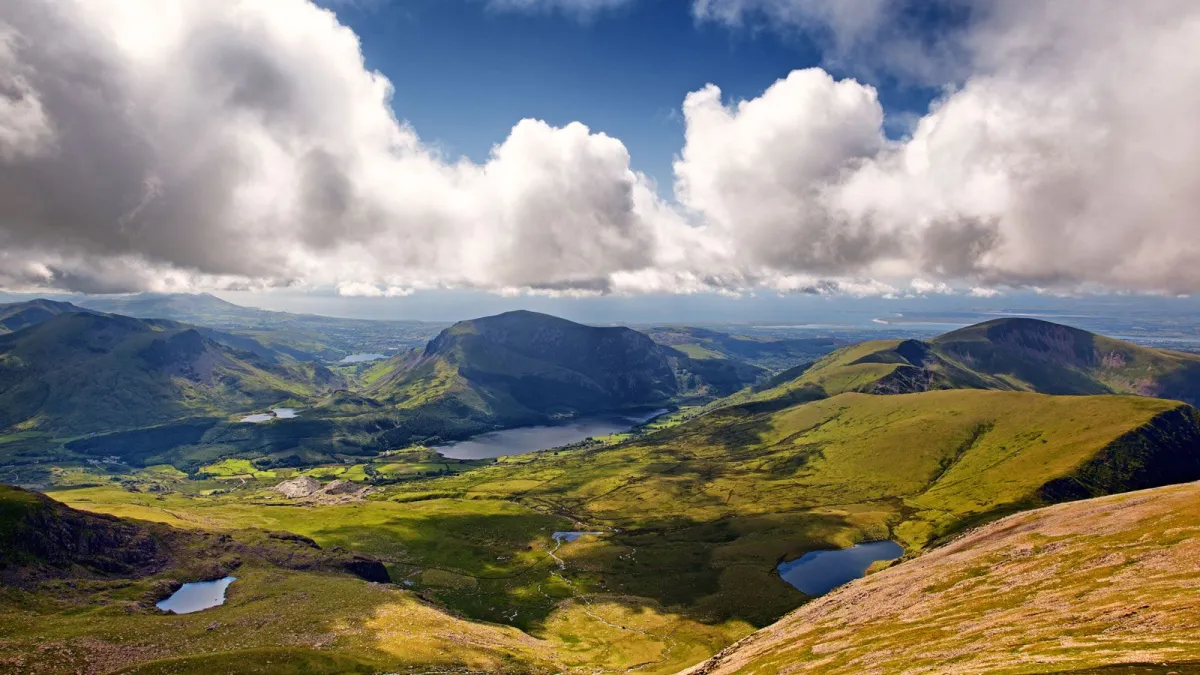 Photo: Snowdonia National Park, via cdn.britannica.com
In South Wales, the picture is slightly different. Former limestone quarries in the Brecon Beacons fringe and the valleys north of Merthyr Tydfil offer a different character — deeper, more enclosed, with a rawness that reflects their industrial history. A handful of operators there have taken a more low-key approach, running members-only days that sidestep some of the commercial licensing requirements while still offering a legal, structured experience.
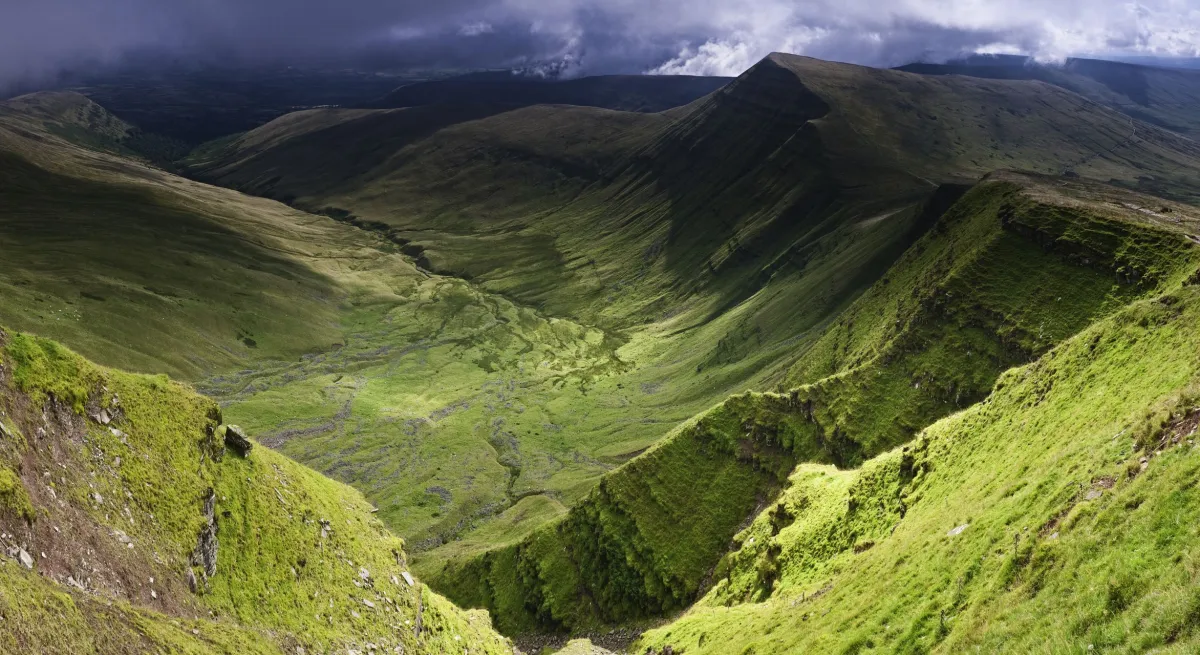 Photo: Brecon Beacons, via www.tripsavvy.com
"South Wales quarries have a different feel," says Siân Hughes, who runs a monthly off-road day from a site near Hirwaun. "The terrain is more brutal, less photogenic in the Instagram sense. But serious drivers love it because there's nowhere to hide. You can't style your way through it."
Why Riders Are Coming
Ask anyone who's made the trip from England why they bothered with the drive when there are decent venues closer to home, and the answer is almost always the same: the scale of it.
Dave Ashworth, a buggy builder from Wigan who's been running off-road events for twelve years, made his first Welsh quarry trip in 2022 and has been back four times since. "I've done Scotland. I love Scotland. But the quarries in Wales have something different. It feels more... industrial? Like the land has been used and survived. When you're picking a line up a slate face at 45 degrees with a 30-foot drop to your left, it focuses the mind in a way that a forest track doesn't."
The community aspect matters too. Welsh quarry venues tend to attract a more technically-minded crowd — people who've built or heavily modified their vehicles and want terrain that rewards preparation. There's less of the show-up-and-have-a-go energy of some English green lane events, and more of a quiet, almost competitive focus on line selection and vehicle capability.
Scotland vs Wales: The Debate Nobody Wants to Settle
Mention the idea that Wales might be overtaking Scotland as Britain's off-road capital and you'll start a row that could run until closing time. Scotland's defenders will point to the sheer volume of open land, the remoteness, the multi-day route potential that Wales simply can't match in the same way. They're not wrong.
But the quarry advocates have a counter-argument: accessibility. Scotland's best terrain often requires serious expedition planning, appropriate vehicles, and a willingness to be genuinely far from help if things go wrong. Wales offers comparable technical challenge within a framework — marked routes, on-site support, facilities — that makes it viable for a wider range of riders.
"Scotland is a wilderness experience," Parry says. "What we're building here is something different. It's a venue. You can come for a day, push your vehicle hard, and drive home. That's not lesser. It's just different."
Getting There
For anyone planning a Welsh quarry trip, the honest advice is to book early. The better-managed sites fill up weeks in advance during spring and autumn, which have become the preferred seasons — dry enough for rock faces to be safe, cool enough that overheating isn't a concern. Most venues require pre-registration and a basic vehicle check on arrival. Some insist on helmets; all of them insist on a passenger briefing.
The roads getting to these sites are, often, half the adventure. The A470 corridor through mid-Wales and the B-roads threading through the Llanberis Pass area are exactly the kind of routes that remind you why driving still matters. Arrive via Bala on a clear morning and you'll understand why people keep coming back before they've even reached the quarry gate.
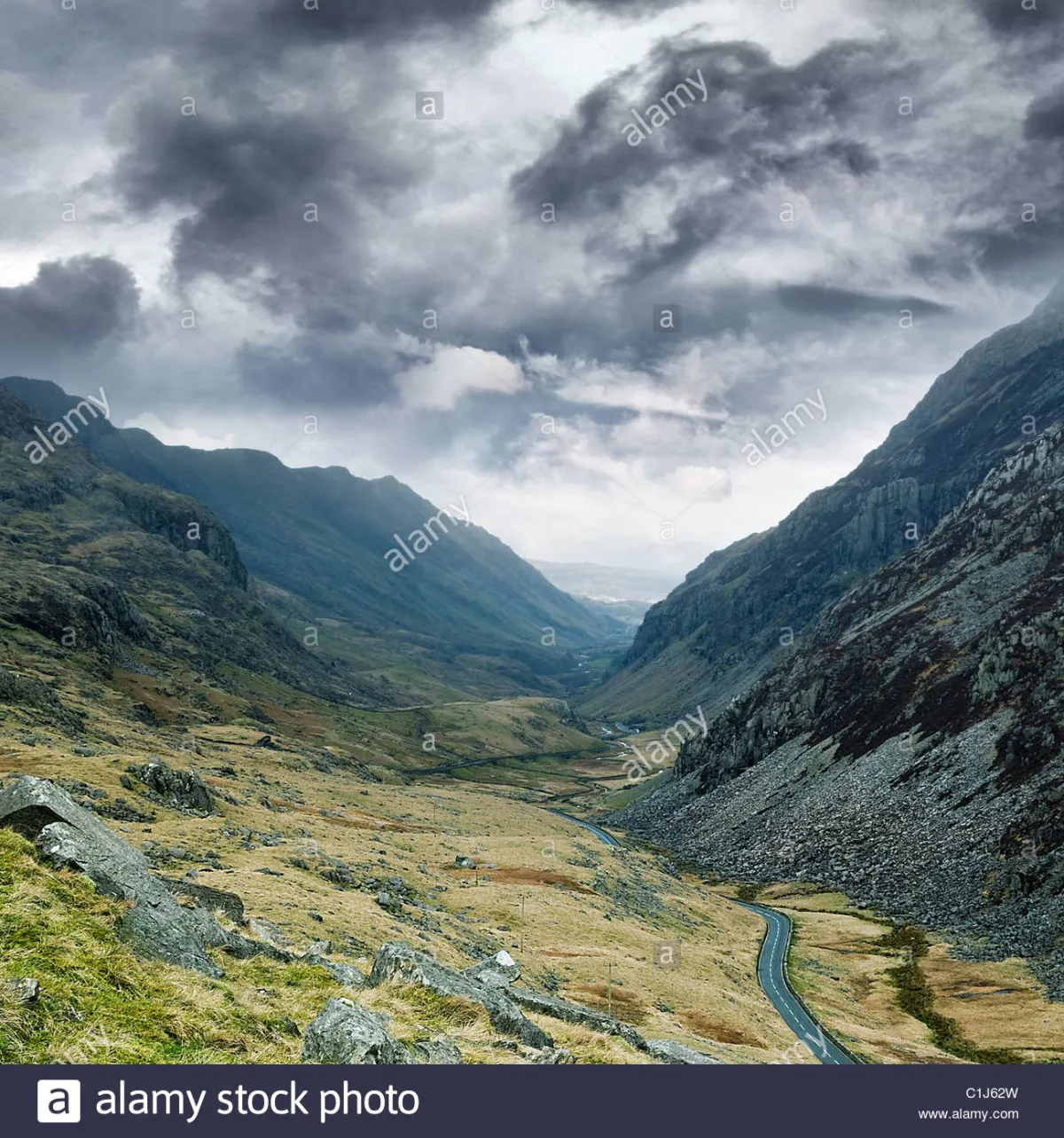 Photo: Llanberis Pass, via c8.alamy.com
Wales has always been underestimated. Its off-road scene is about to correct that.