The Tide Won't Wait: Inside Britain's Most Extreme Coastal Crossings
The Tide Won't Wait: Inside Britain's Most Extreme Coastal Crossings
The tide table is open on the passenger seat. The phone shows seventeen minutes to high water. Ahead, the sand stretches flat and glistening across three miles of Morecambe Bay, and somewhere out there — invisible, moving faster than a brisk walk — the sea is already on its way back.
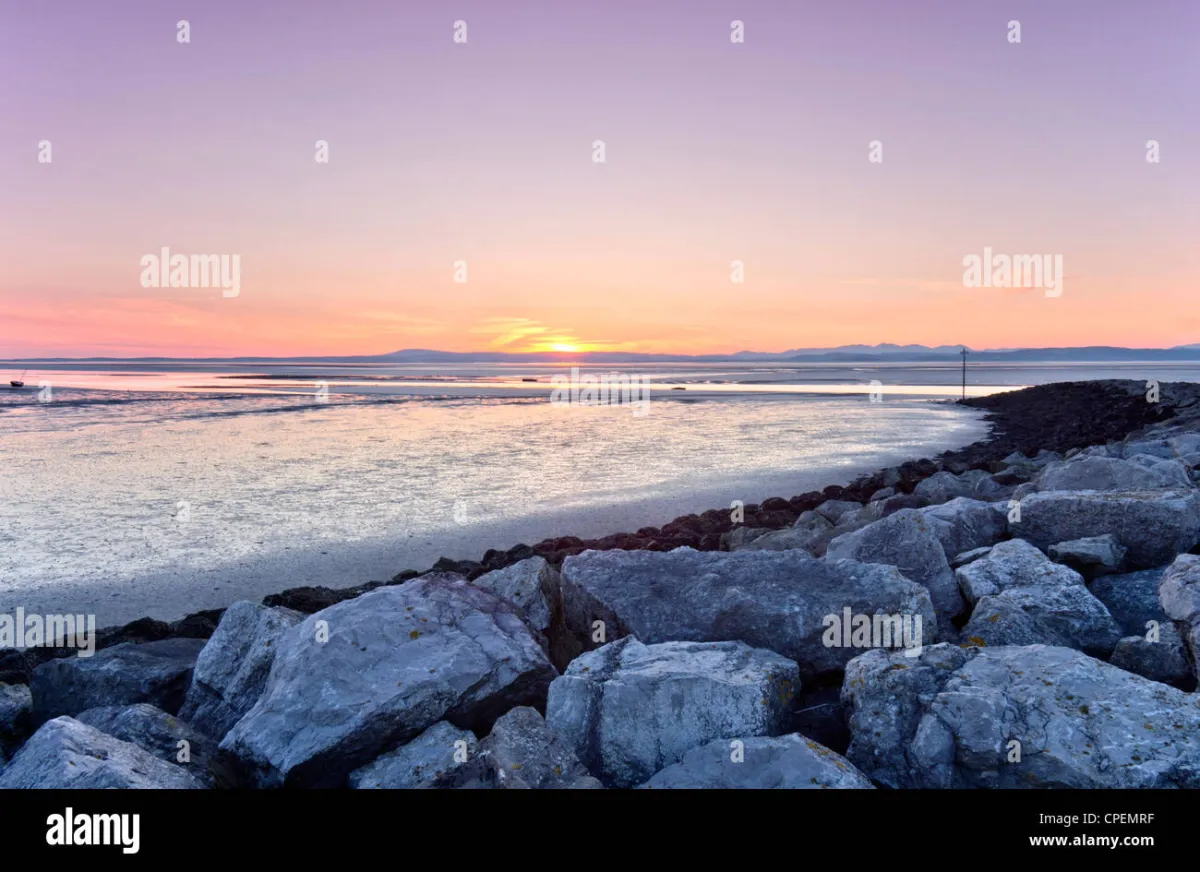 Photo: Morecambe Bay, via c8.alamy.com
This is not a normal off-road experience.
Britain's tidal crossings occupy a category of their own in the adventure driving world. They're not about the most technical terrain, or the deepest mud, or the steepest climb. They're about time — specifically, the brutally finite window in which a crossing is possible at all, and the very serious consequences of misjudging it. The people who plan entire trips around tide tables, who know the sand by feel as much as by sight, who've memorised the phone numbers of the coastguard stations along routes they've driven dozens of times — these are a particular breed, and they're well worth listening to.
Why Tidal Crossings Exist in Britain
Britain's geography created these opportunities almost by accident. A deeply indented coastline, significant tidal ranges (the Severn Estuary has one of the largest in the world), and centuries of human settlement around estuaries and island communities produced a network of crossings that were, at various points in history, simply the practical way to get from A to B.
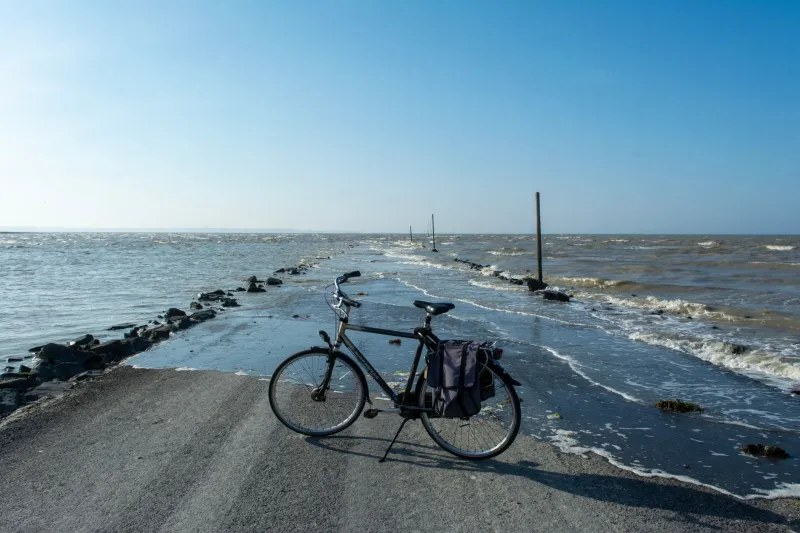
The Pilgrim's route to Holy Island — properly Lindisfarne, off the Northumberland coast — is the most famous. A causeway was built in the 1950s, but for centuries before that, pilgrims and locals crossed the tidal flats on foot, guided by a line of wooden posts that still stand today. The modern causeway is tarmacked and perfectly driveable, but it floods completely at high tide, and the coastguard rescue statistics for people who've ignored the crossing times are both sobering and instructive.
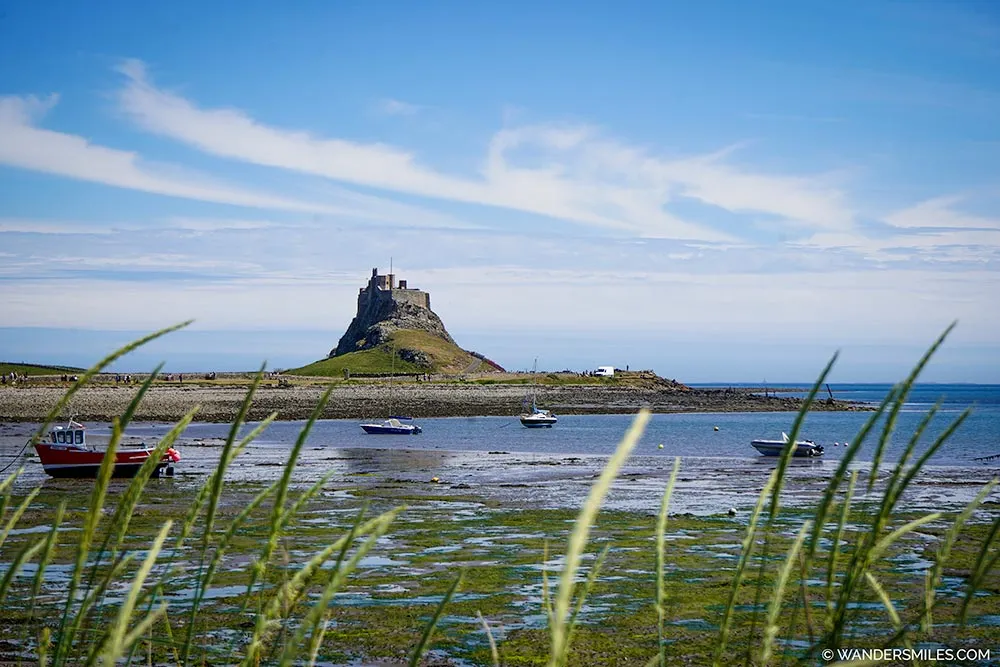 Photo: Holy Island, via www.wandersmiles.com
Morecambe Bay is a different proposition entirely — vast, complex, and genuinely dangerous in a way that the Lindisfarne crossing, for all its drama, isn't quite. The bay covers over 300 square kilometres of sand and mudflat, crossed by several channels that shift with every tide. The official Queen's Guide to the Sands — a role that has existed since the 1500s — still leads organised crossings on foot, but vehicle crossings of the bay's edges have their own dedicated community.
Further south, the Gower Peninsula in Wales offers shorter tidal windows across several estuary crossings, while Cornwall and Devon hide smaller but equally time-sensitive routes that local off-roaders treat with a combination of reverence and excitement.
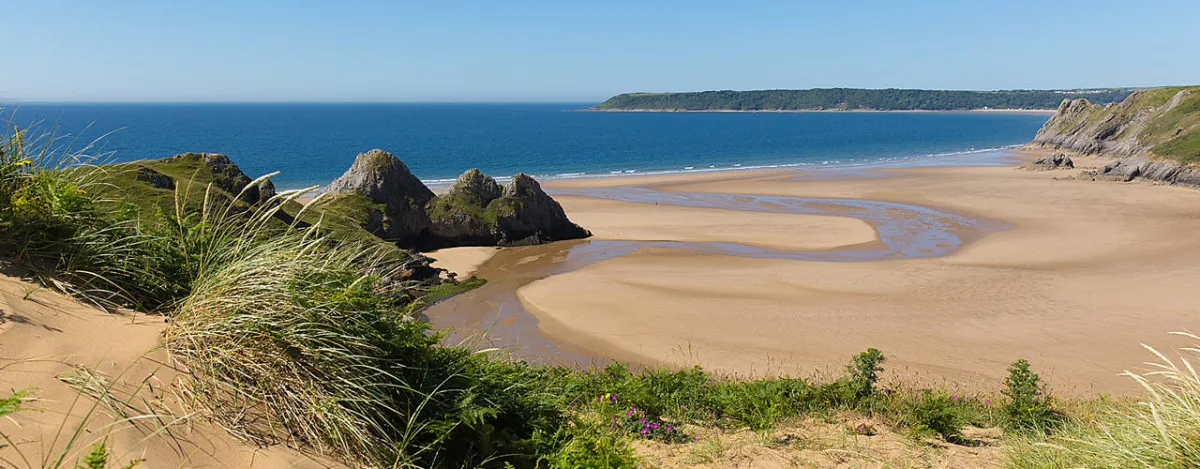 Photo: Gower Peninsula, via www.gowerholidays.com
The People Who Take This Seriously
Dave has been crossing the tidal approaches around Morecambe Bay for eleven years. He won't give his surname — "the coastguard knows me well enough already" — but he'll talk about his approach to tidal off-roading with a rigour that would satisfy an engineer.
"The first thing people get wrong is thinking the tide table is the whole story," he says. "It's not. Wind direction and strength can push water in faster than the table predicts. Atmospheric pressure affects tidal height. Rain upstream affects the river channels you might need to cross. You're not reading one document — you're reading five or six and synthesising them."
His pre-crossing routine takes about an hour. He checks the official tide times, cross-references with the Met Office marine forecast, looks at the upstream river gauge data, and makes a phone call to a contact who walks the bay regularly. Only then does he commit to going.
"People think I'm being excessive. I'm really not. The bay has killed people who thought they knew it. Proper preparation is what separates an adventure from an incident."
He drives a heavily modified Defender with a raised air intake, waterproofed electrics, and a hand-winch mounted at the front. The modifications aren't for show — they're the product of specific lessons learned on specific crossings.
What the Coastguard Actually Thinks
HM Coastguard's position on tidal crossings is nuanced — more nuanced than you might expect. They're not opposed to prepared, experienced people using legitimate crossing points at appropriate times. What they object to, with some force, is the combination of ignorance, overconfidence, and inadequate preparation that produces the rescues they'd rather not be doing.
"The Lindisfarne crossing is a good example," says a spokesperson for the Maritime and Coastguard Agency. "The crossing times are clearly posted, available online, and updated regularly. We rescue people who drove past the signs, or who checked the times and then didn't leave when they should have. That's not the crossing being dangerous — that's people making poor decisions."
For more complex tidal environments like Morecambe Bay, the official guidance is unambiguous: don't go without a qualified guide or a level of local knowledge that amounts to the same thing. The bay's channels shift, the sand can be deceptively soft in places, and the tidal bore that rushes in at high water moves at speeds that will outrun most vehicles on soft ground.
The coastguard's practical advice for anyone interested in tidal off-roading: contact the relevant local station before your first crossing, be honest about your experience level, and listen to what they tell you. They'd rather talk to you beforehand than rescue you afterwards.
The Lindisfarne Run: Britain's Gateway Tidal Experience
For drivers new to tidal off-roading, Lindisfarne is the obvious starting point — not because it's easy, but because the parameters are clearly defined and the support infrastructure is genuine. The crossing times are published well in advance by Northumberland County Council and are based on local tidal data rather than generic tables. The refuge boxes — raised platforms where stranded drivers can wait for the tide to recede — are maintained and inspected regularly.
The crossing itself is around five kilometres of causeway, with the tidal flats visible on either side. At the right state of tide, it's a remarkable drive — wide, flat, and utterly unlike anything you'll do on a green lane or a managed off-road venue. The island on the other side has a pub, which the community treats as something between a reward and a tradition.
The key discipline is leaving on time. The return crossing has caught more people than the outbound journey, partly because the island is genuinely lovely and partly because the tide's approach is less visible from the landward side. Set a hard departure time, ignore the temptation to squeeze another round in, and drive back with the same attention you brought on the way over.
Respect as the Entry Fee
The tidal off-road community is small, and it intends to stay that way — not out of exclusivity, but out of genuine concern about what happens when this kind of experience becomes a social media trend without the accompanying knowledge.
The unspoken code is straightforward: learn properly before you go, tell someone your plan, carry the right recovery gear, and treat every crossing as if it's your first one. The sea doesn't grade on experience. It doesn't care about your previous crossings, your vehicle's capabilities, or your confidence level. It just comes in.
That's what makes tidal off-roading genuinely different from almost everything else in British adventure driving. The clock is real. The stakes are real. And the window — once it closes — is gone until the tide says otherwise.